Comprehensive Measures to Prevent Shipwrecks in the Namibe Sea
In order to prevent shipwrecks in the Namibe Sea, local authorities have introduced a series of robust measures. These measures have been implemented with the objective of addressing the root causes of maritime accidents and enhancing overall safety for those at sea. The main areas of focus are as follows: strengthening the inspection process, closing down illegal craft-building houses and conducting thorough inspections of shipyards.

Enhancing the Inspection Process for Vessels in the Namibe Sea
One of the principal measures introduced by local authorities to prevent shipwrecks in the Namibe Sea is to enhance the inspection process for vessels. This initiative is vital in guaranteeing that all vessels operating in the area comply with safety regulations, thereby reducing the risk of accidents and enhancing overall maritime safety.
Regular Checks and Compliance
The enhanced inspection process entails the regular examination of all vessels to ascertain their compliance with the requisite safety standards. The objective of these checks is to identify and rectify any potential safety issues before they can lead to serious incidents.

Inspectors will undertake a comprehensive examination of the vessels, including an assessment of the condition of the hull, the functionality of safety equipment and the overall seaworthiness of the craft.
Comprehensive Inspection Protocols
To guarantee comprehensive inspections, the relevant authorities have established comprehensive protocols that encompass all critical aspects of vessel safety. These protocols comprise comprehensive checklists and guidelines that must be followed by inspectors during their assessments. Adherence to these protocols enables inspectors to conduct a comprehensive and systematic evaluation of each vessel, ensuring that no safety aspect is overlooked.
Training and Certification of Inspectors
A further crucial element of the enhanced inspection process is the training and certification of inspectors. The authorities are investing in specialised training programmes to ensure that inspectors have the requisite knowledge and skills to perform their duties effectively. Certified inspectors are better equipped to identify safety violations and ensure compliance with regulations, thereby contributing to safer maritime operations.
Collaboration with Vessel Owners and Operators
The success of the enhanced inspection process also depends on close collaboration with vessel owners and operators. The relevant authorities are working closely with these stakeholders to ensure that they are fully aware of and comply with the safety regulations. This collaborative approach helps to foster a culture of safety within the maritime community, encouraging the proactive implementation of measures designed to prevent accidents.
Use of Technology in Inspections
To enhance the efficiency and precision of inspections, authorities are integrating advanced technologies into the process. This includes the utilisation of digital tools for record-keeping, data analysis and real-time monitoring of vessel conditions. By leveraging technology, inspectors can perform more thorough and efficient assessments, thereby enhancing the overall safety of maritime operations in the Namibe Sea.

The introduction of these measures is designed to enhance maritime safety and minimise the risk of shipwrecks and other incidents in the Namibe Sea.
Closing Down Illegal Craft-Building Houses
In order to enhance maritime safety in the Namibe Sea, the relevant authorities are taking strict action against illegal craft-building houses. Such facilities frequently result in the production of vessels that fail to meet safety standards, thereby posing a significant risk to those operating at sea.
Identifying Illegal Craft-Building Houses
The initial phase of this project entails the identification and location of illicit craft-building facilities. Authorities are conducting comprehensive investigations to identify and expose these operations, which often operate surreptitiously. By identifying the locations of these operations, the authorities are able to take prompt and effective action to close them down.
Legal Actions and Penalties
Once identified, illegal craft-building houses are subject to rigorous legal consequences and penalties. This may result in financial penalties, the confiscation of materials, and, in some cases, criminal charges against the operators. These measures act as a deterrent to others who might otherwise consider engaging in similar activities.
Ensuring Compliance with Safety Standards
Furthermore, the relevant authorities are working to guarantee that all craft-building activities comply with the established safety standards. This entails periodic inspections of registered craft-building premises to ascertain compliance with the requisite guidelines. The objective of these regulatory measures is to prevent the construction of unsafe vessels.
Community Involvement and Reporting
Community involvement is a vital component of this initiative. Local communities are encouraged to report any suspicious activities related to illegal craft-building. By fostering a sense of responsibility and vigilance within the community, the authorities can more effectively address the issue.
Raising Awareness
In addition to enforcement actions, the authorities are taking steps to raise awareness about the dangers of using substandard vessels. Public awareness campaigns draw attention to the risks associated with the construction of vessels in contravention of the relevant regulations and underscore the importance of compliance with safety standards.

The objective of these campaigns is to provide the public with information and dissuade them from using unsafe vessels.
Supporting Legal Craft-Building Houses
In order to provide support to the legal craft-building industry, the relevant authorities are making resources and guidance available to ensure compliance with safety standards. This includes the provision of training programmes for builders and access to quality materials. By supporting legal craft-building houses, authorities are working to promote the construction of safe and reliable vessels.
By implementing these comprehensive measures, authorities are working to eradicate illegal craft-building houses and guarantee that all vessels operating in the Namibe Sea comply with the highest safety standards. This initiative represents a crucial element in the wider strategy to enhance maritime safety and prevent shipwrecks in the region.
Conducting Inspections of Shipyards
Regular inspections of shipyards are a fundamental safety measure implemented by local authorities to guarantee that all vessels are constructed in accordance with the relevant safety regulations. This step is vital in preventing the construction of unsafe vessels and improving overall maritime safety standards.
Comprehensive Inspection Protocols
The relevant authorities have developed comprehensive inspection protocols to ensure a systematic and thorough inspection process. These protocols include comprehensive checklists and detailed guidelines that must be followed by inspectors to guarantee that every aspect of vessel construction is thoroughly evaluated. Adherence to these protocols enables inspectors to undertake a systematic assessment of the safety and quality of vessels under construction.
Ensuring Compliance with Safety Standards
During inspections, the objective is to ensure that shipyards comply with established safety standards. This entails examining the materials employed in the construction process, the design and structural integrity of the vessels, and the installation of essential safety equipment. It is of the utmost importance that these standards are adhered to in order to prevent the construction of substandard vessels that could pose a significant risk at sea.
Training and Certification of Inspectors
To optimise the efficiency of shipyard inspections, authorities are investing in the training and certification of inspectors. These training programmes provide inspectors with the knowledge and skills required to perform their duties in an effective manner. Certified inspectors are better equipped to identify safety violations and ensure compliance with regulations, thereby contributing to safer vessel construction.
Collaboration with Shipyard Operators
The success of shipyard inspections is contingent upon collaboration with shipyard operators. The relevant authorities are working closely with these stakeholders to ensure that they fully understand and comply with the safety regulations. This collaborative approach helps to foster a culture of safety within the shipbuilding industry, encouraging the proactive implementation of measures to prevent accidents.
Use of Technology in Inspections
In order to enhance the efficiency and accuracy of inspections, authorities are integrating advanced technologies into the process. This encompasses the utilisation of digital tools for record-keeping, data analysis and real-time monitoring of shipyard activities. By leveraging technology, inspectors can perform more thorough and efficient assessments, ultimately enhancing the overall safety of vessel construction.
Regular Follow-Up Inspections
In addition to the initial inspections, the authorities are conducting regular follow-up inspections to ensure ongoing compliance with safety standards. These follow-up inspections facilitate the identification and resolution of any emerging safety issues, while ensuring that shipyards maintain the highest standards of safety throughout the construction process.
The local authorities are committed to implementing these measures to guarantee that all vessels constructed in the Namibe Sea region meet the highest safety standards. The regular inspection of shipyards represents a vital element of the wider strategy to enhance maritime safety and prevent shipwrecks in the region.
Additional Preventive Measures
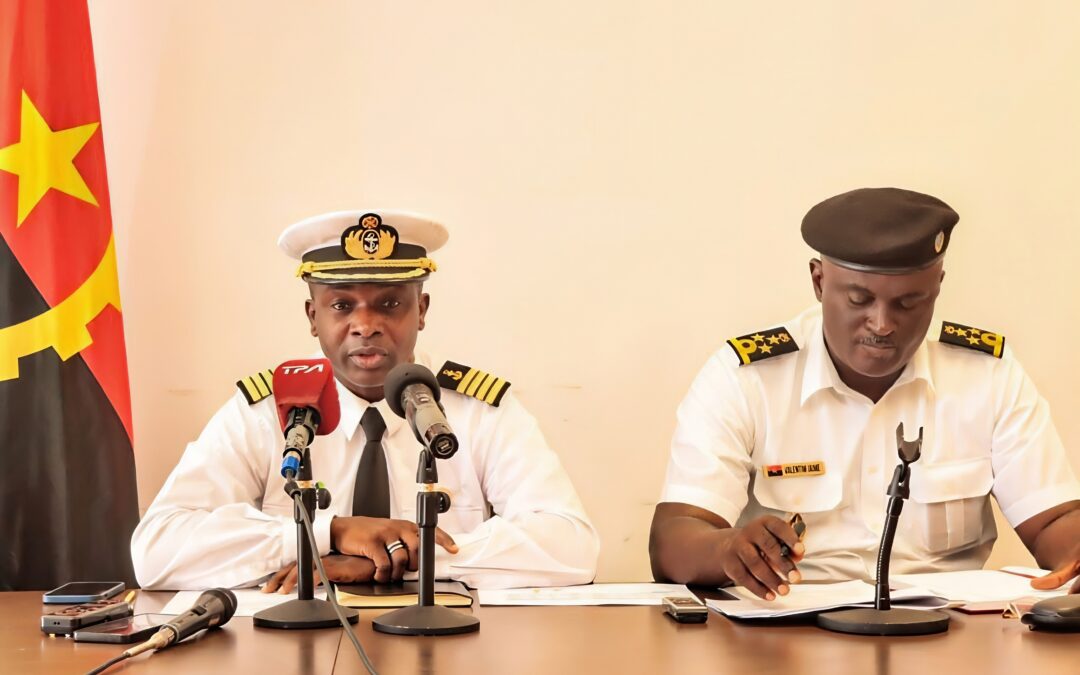
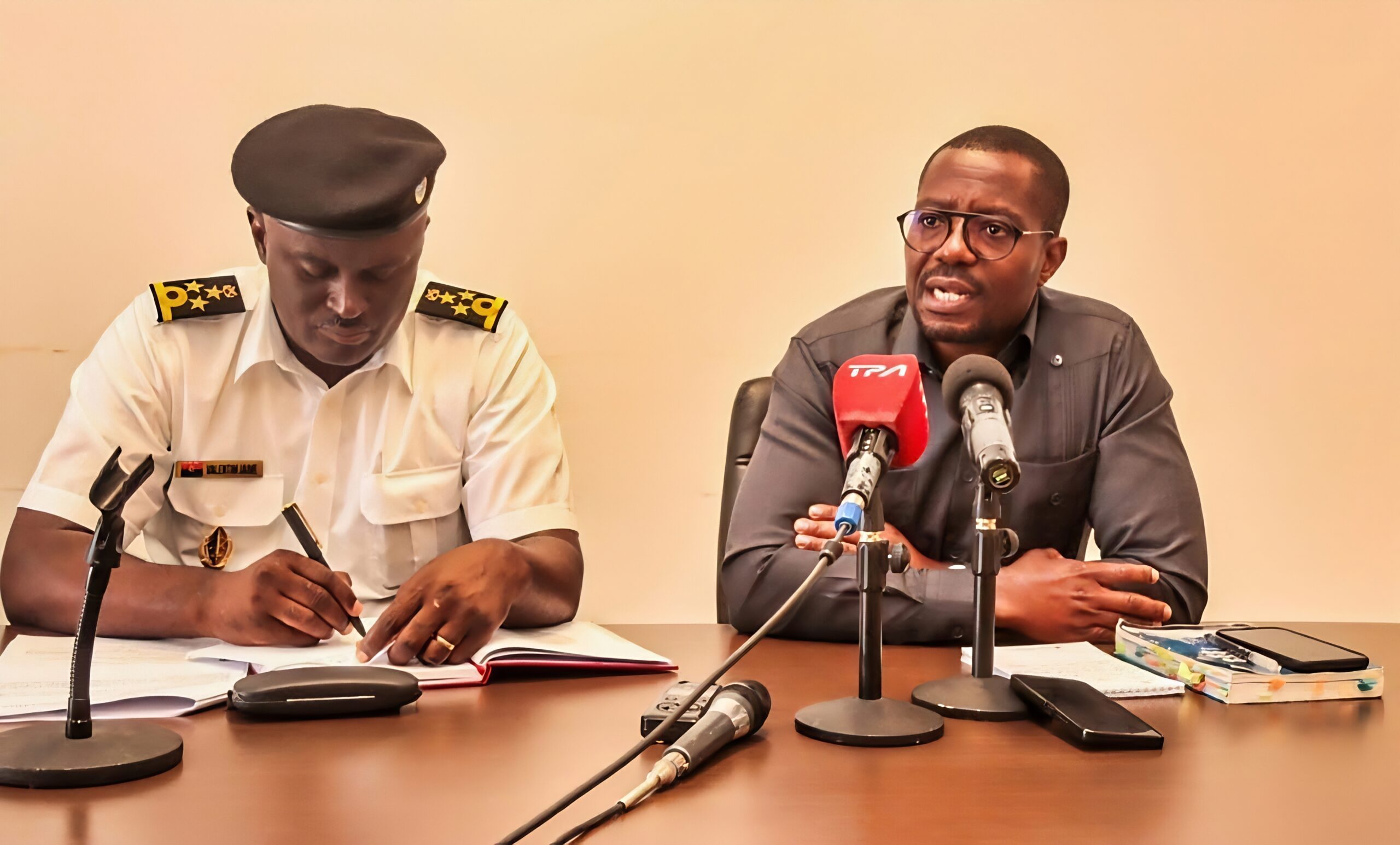
At a recent press conference, Namibe Port Captain Kamatá Chinhama presented a series of additional preventive measures:
- Sea Survival Course: The introduction of a sea survival course, which must be completed prior to the issuance of the registration roll, represents a significant development in maritime education.
- Community Awareness Campaign: An ongoing initiative to enhance community awareness of maritime safety.
- Sharing Weather Data: The provision of timely meteorological data to those engaged in marine activities, such as fishing, enables them to make informed decisions.
Non-Compliance with Safety Regulations: The Primary Cause of Incidents in the Namibe Sea
The principal cause of incidents in the Namibe Sea is the failure of fishing vessels to comply with the relevant safety regulations. This non-compliance is evidenced by a number of critical manifestations, each of which contributes to an increased risk of accidents and shipwrecks.
Overloading
Overloading represents a significant issue that compromises the stability and buoyancy of fishing vessels. When vessels are loaded beyond their optimal capacity, they become more susceptible to capsizing, particularly in the presence of rough sea conditions. Overloading not only jeopardises the safety of the crew but also increases the probability of losing valuable catch and equipment. It is of paramount importance that load limits are adhered to in order to ensure the safety and stability of vessels.
Lack of Life Jackets
The lack of life jackets on fishing vessels represents a significant safety concern. It is imperative that crew members are equipped with life jackets in the event of an accident or shipwreck, as they are an essential component of survival. In the absence of such equipment, the probability of drowning is markedly elevated. The relevant authorities are implementing regulations that require all vessels to be equipped with an adequate number of life jackets for all crew members. To guarantee compliance with this fundamental safety measure, regular inspections are conducted.
Use of Unauthorised Vessels
The utilisation of unauthorised vessels, which frequently fail to meet the requisite safety standards, represents a substantial risk to maritime safety. Such vessels may be poorly constructed, inadequately maintained, or devoid of essential safety features. The likelihood of mechanical failure or structural issues occurring in unauthorised vessels is increased, which in turn leads to an elevated risk of accidents and shipwrecks. In response to these concerns, authorities have intensified their efforts to regulate the use of these vessels. This has involved conducting comprehensive inspections and pursuing legal action against operators who violate safety regulations.
Impact of Non-Compliance
The consequences of non-compliance with safety regulations are clearly reflected in the statistical data pertaining to incidents in the Namibe Sea. From January to December 2024, there were six shipwrecks, 26 casualties, three missing vessels, and three drownings. These incidents underscore the imperative for rigorous enforcement of safety regulations and heightened awareness among the maritime community.
Preventive Measures
In order to address these issues, local authorities have implemented a series of preventative measures:
- Enhanced Inspections: Periodic inspections are conducted to verify that vessels are in compliance with established safety regulations.
- Community Awareness Campaigns: The objective is to disseminate information and raise awareness among maritime professionals about the significance of adhering to safety regulations.
- Legal Actions: The imposition of penalties and legal actions against operators who violate safety regulations.
- Support for Compliance: The provision of resources and guidance is intended to assist vessel operators in meeting the requisite safety standards.
By addressing the underlying causes of non-compliance and implementing these preventive measures, the authorities seek to significantly reduce the risk of incidents in the Namibe Sea and ensure the safety of all sea-goers.
Statistics of Incidents in 2024
In the period between January and December 2024, the Namibe Sea was the site of a number of incidents resulting from violations of safety regulations:
- Shipwrecks: 6
- Casualties: 26
- Missing Vessels: 3
- Drownings: 3
In conclusion, the measures introduced by local authorities represent a comprehensive and proactive approach to ensuring maritime safety in the Namibe Sea. By focusing on key areas such as enhancing inspection procedures, shutting down illicit shipbuilding facilities, and conducting routine shipyard inspections, authorities are addressing the underlying causes of maritime accidents and incidents.
Enhanced inspections guarantee that all vessels operating in the Namibe Sea comply with the requisite safety regulations. The implementation of regular inspections facilitates the identification and rectification of potential safety issues, thereby reducing the risk of accidents. This measure is of great importance in maintaining the highest standards of safety and in preventing incidents caused by non-compliance.
The closure of illicit craft-building facilities represents a crucial step in the elimination of a significant source of unsafe vessels. Such facilities frequently yield vessels that fail to meet the requisite safety standards, thereby endangering those who navigate the seas. The cessation of these operations ensures that only vessels constructed in accordance with the requisite safety specifications are utilised.
The implementation of periodic shipyard inspections is an effective method for guaranteeing that all vessels are constructed in accordance with the established safety regulations. This step is of vital importance in the prevention of the construction of unsafe vessels and the maintenance of the integrity of the maritime industry. By adhering to comprehensive inspection protocols, authorities are able to conduct a systematic evaluation of each vessel, thereby ensuring compliance with safety standards.
The implementation of a sea survival course, the continuation of community awareness campaigns, and the dissemination of weather data represent additional preventive measures that play a pivotal role in fostering a culture of safety among those who navigate the sea. The sea survival course provides individuals with the requisite skills to effectively respond to emergencies, while community awareness campaigns disseminate information to the public regarding the significance of maritime safety. The dissemination of up-to-date meteorological information enables fishermen and other maritime users to make well-informed decisions, thereby further enhancing safety at sea.
The collective implementation of these measures serves to cultivate a culture of safety within the maritime community. By fostering a sense of responsibility and vigilance, the authorities seek to establish an environment in which safety is a paramount concern. It is imperative that this cultural shift occurs in order to guarantee the long-term efficacy of the implemented measures and to minimise the probability of maritime incidents, including shipwrecks. The comprehensive measures introduced by local authorities represent a substantial stride towards ensuring the safety of those at sea. By addressing the underlying causes of maritime incidents and fostering a culture of safety, authorities are striving to establish a safer maritime environment in the Namibe Sea. These endeavours are of paramount importance in safeguarding lives, maintaining the viability of the maritime industry, and cultivating a sustainable and secure maritime community.
Joram Ngola

- Discover Malanje: Angola’s Hidden Gem of Natural Wonders and Cultural Riches - February 5, 2025
- Angola and Tanzania Strengthen Defense Cooperation: Minister of Defense Visits Ruvu Camp - January 10, 2025
- Celebration of the 33rd Anniversary of the Angola National Army - December 28, 2024