
From Kalandula Falls to the Carnival of Malanje: Experience Africa’s Best-Kept Secret
Nestled in the northern reaches of Angola, Malanje Province is a destination that captures the imagination with its awe-inspiring landscapes and rich cultural tapestry. For international travelers seeking an off-the-beaten-path adventure, Malanje offers an unparalleled blend of natural wonders and historical intrigue. This captivating region is home to some of Africa’s most iconic landmarks, including the majestic Kalandula Falls, which ranks among the largest waterfalls on the continent. Imagine standing before this colossal cascade during the rainy season, witnessing millions of gallons of water thundering over the cliffs in a display of raw power and beauty—a sight that leaves even the most seasoned traveler speechless.

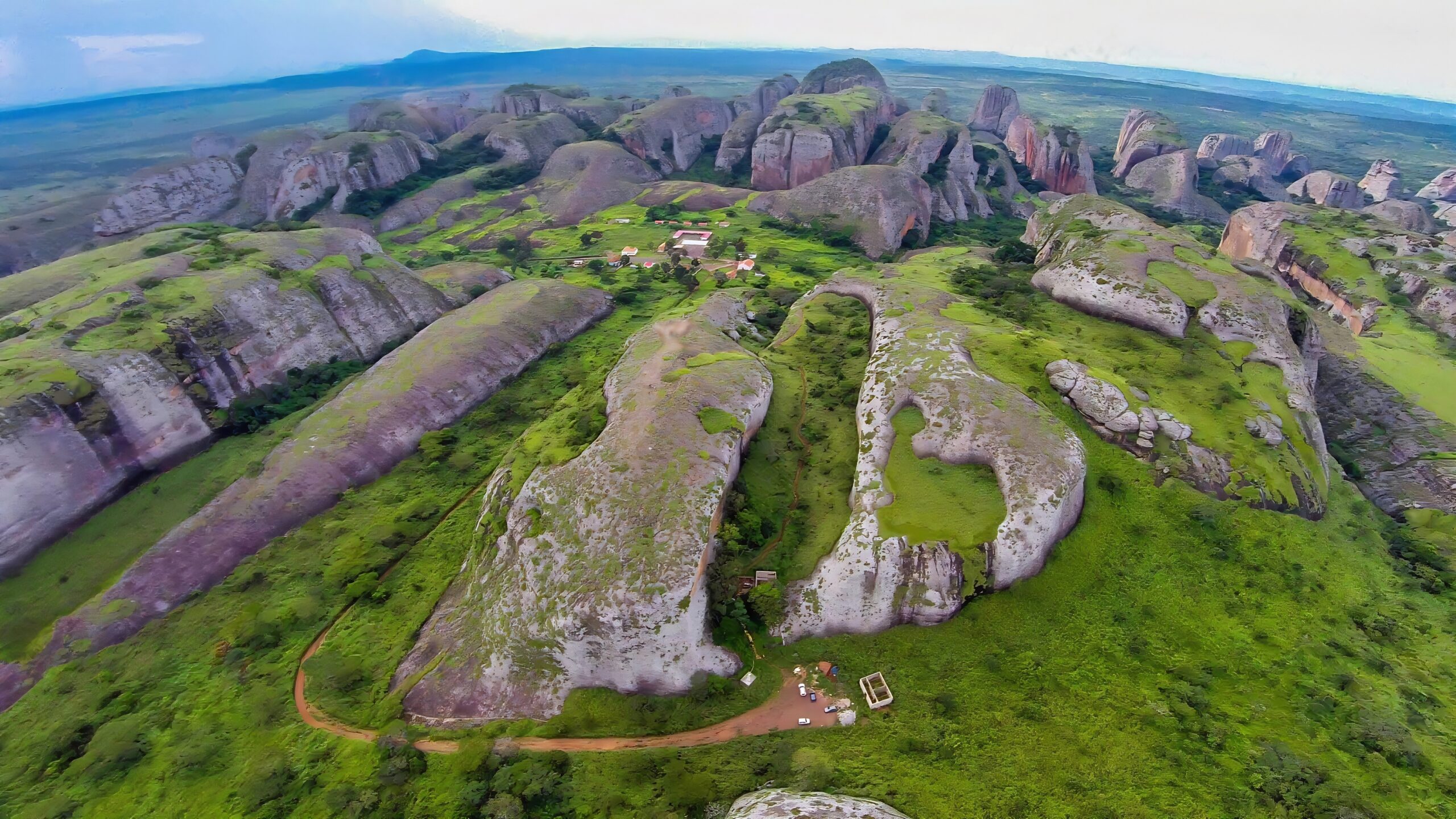
Beyond its breathtaking scenery, Malanje boasts unique geological formations like the Black Rocks of Pungo Andongo (Pedras Negras de Pungo Andongo), massive boulders steeped in local legends and history. These towering rock formations rise dramatically from the surrounding plains, creating a surreal landscape that has drawn hikers, historians, and curious explorers for generations. Whether you’re tracing ancient footpaths or marveling at the interplay of light and shadow across these monolithic stones, the Black Rocks offer an experience that feels both timeless and otherworldly.
Why does Malanje matter to today’s global traveler? In an era where mass tourism often leads to overcrowded destinations and homogenized experiences, Malanje stands out as a sanctuary of authenticity. Its untouched natural beauty and vibrant traditions provide a rare opportunity to connect deeply with nature and culture.

The province’s annual Carnival, celebrated with infectious energy by the Mbundo people and other ethnic groups, showcases the region’s artistic spirit through colorful parades, traditional music, and dance. It’s not just a festival; it’s a living testament to the resilience and creativity of Malanje’s communities.
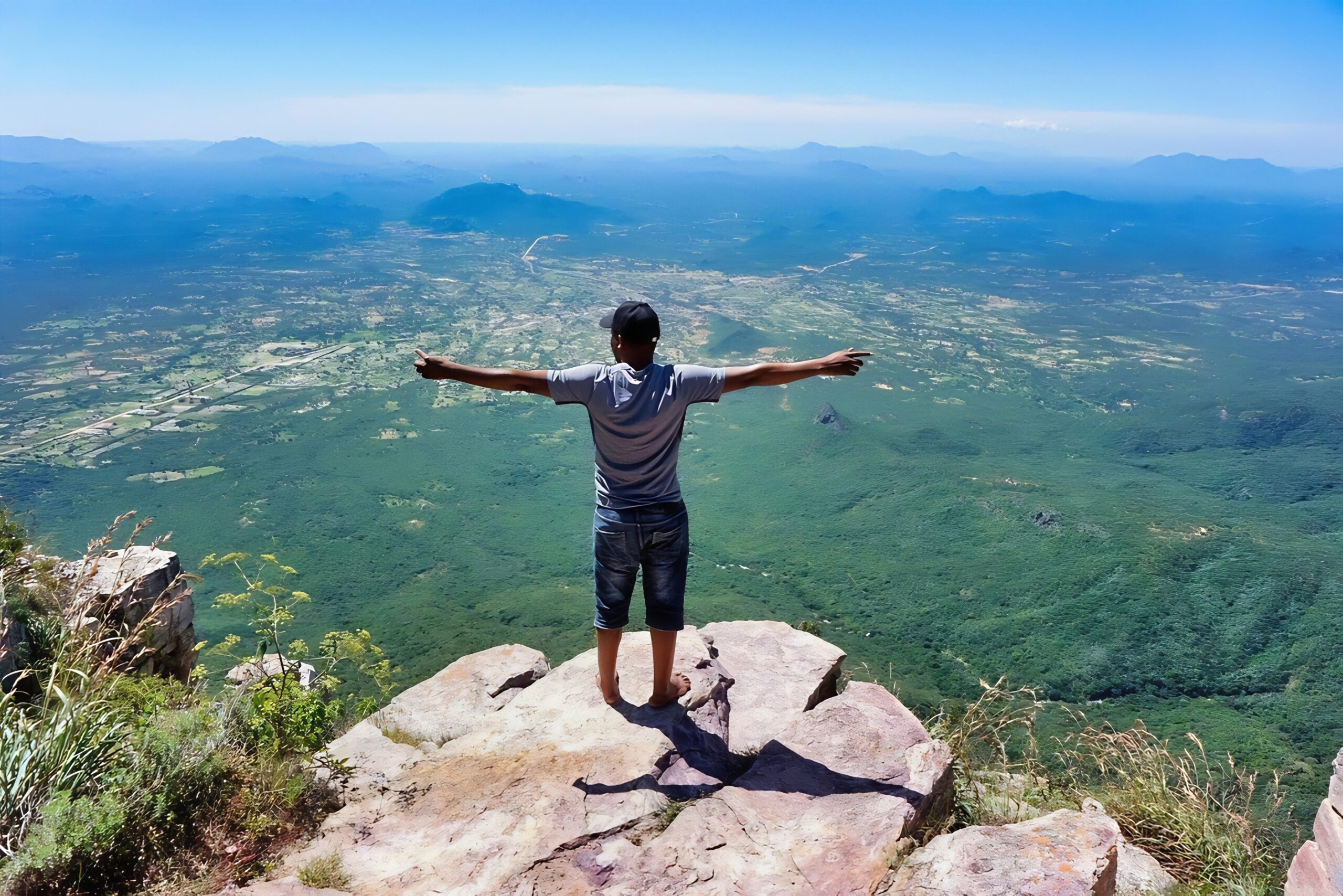
For those eager to explore beyond conventional tourist hotspots, Malanje promises an unforgettable journey into one of Africa’s best-kept secrets. From its cascading waterfalls to its mysterious rock formations, every corner of this province tells a story waiting to be discovered. So pack your sense of wonder—Malanje invites you to uncover its treasures.
The Heart of Northern Angola: An Overview of Malanje Province
Malanje Province, located in the northern part of Angola, occupies a vast expanse of land spanning approximately 97,602 square kilometers, making it one of the country’s larger administrative regions. Situated between latitudes 8° and 11° South and longitudes 15° and 17° East, Malanje enjoys a strategic position that connects central and eastern Angola. Bordered by Cuanza Norte to the west, Lunda Norte and Lunda Sul to the east, and Bié and Cuanza Sul to the south, the province serves as a gateway to some of Angola’s most diverse ecosystems and cultural hubs. Its proximity to Luanda, the capital city, further enhances accessibility for travelers exploring beyond urban centers.
Geographically, Malanje is characterized by a striking contrast of landscapes that range from lush highlands to sprawling savannas. The province’s terrain is dominated by the Angolan plateau, with elevations averaging between 1,000 and 1,500 meters above sea level. This elevated topography contributes to Malanje’s relatively temperate climate, offering respite from the scorching heat found in lower-altitude areas of Angola. During the dry season, which typically runs from May to September, temperatures hover around 20–25°C, while the wet season (October to April) brings refreshing rains and slightly warmer conditions. Such climatic diversity supports a rich variety of flora and fauna, making Malanje an ecological treasure trove.
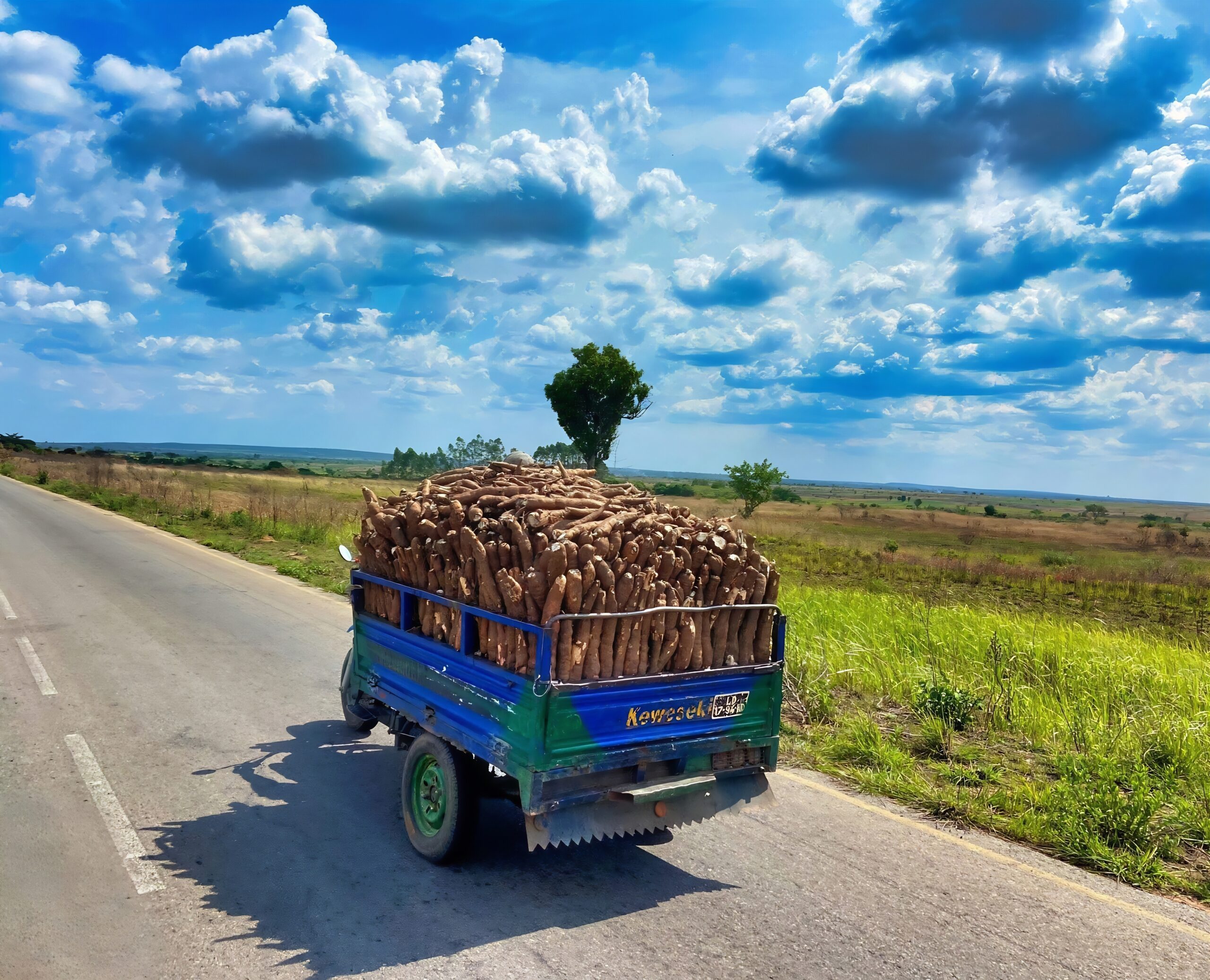
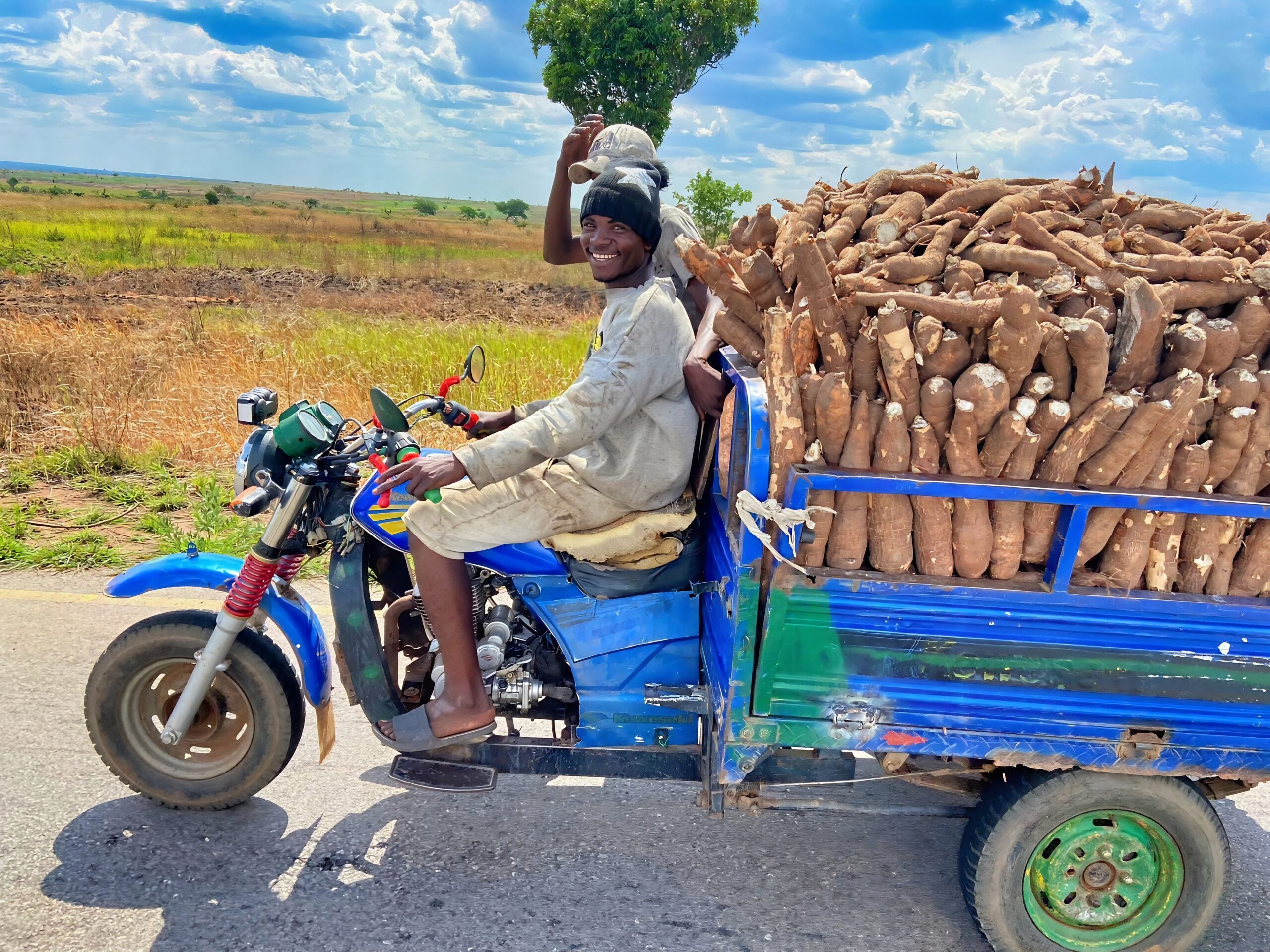
The province’s geography also plays a pivotal role in shaping its economy and daily life. Agriculture thrives here thanks to fertile soils and abundant rainfall, particularly along the Cuanza River basin, which flows through parts of Malanje. Key crops include maize, cassava, beans, and coffee, providing sustenance for local populations and contributing significantly to regional trade. Additionally, Malanje’s dense forests harbor valuable timber resources, though sustainable practices are increasingly emphasized to preserve biodiversity. Livestock farming, especially cattle rearing, complements agricultural activities, ensuring food security and income generation for rural households.
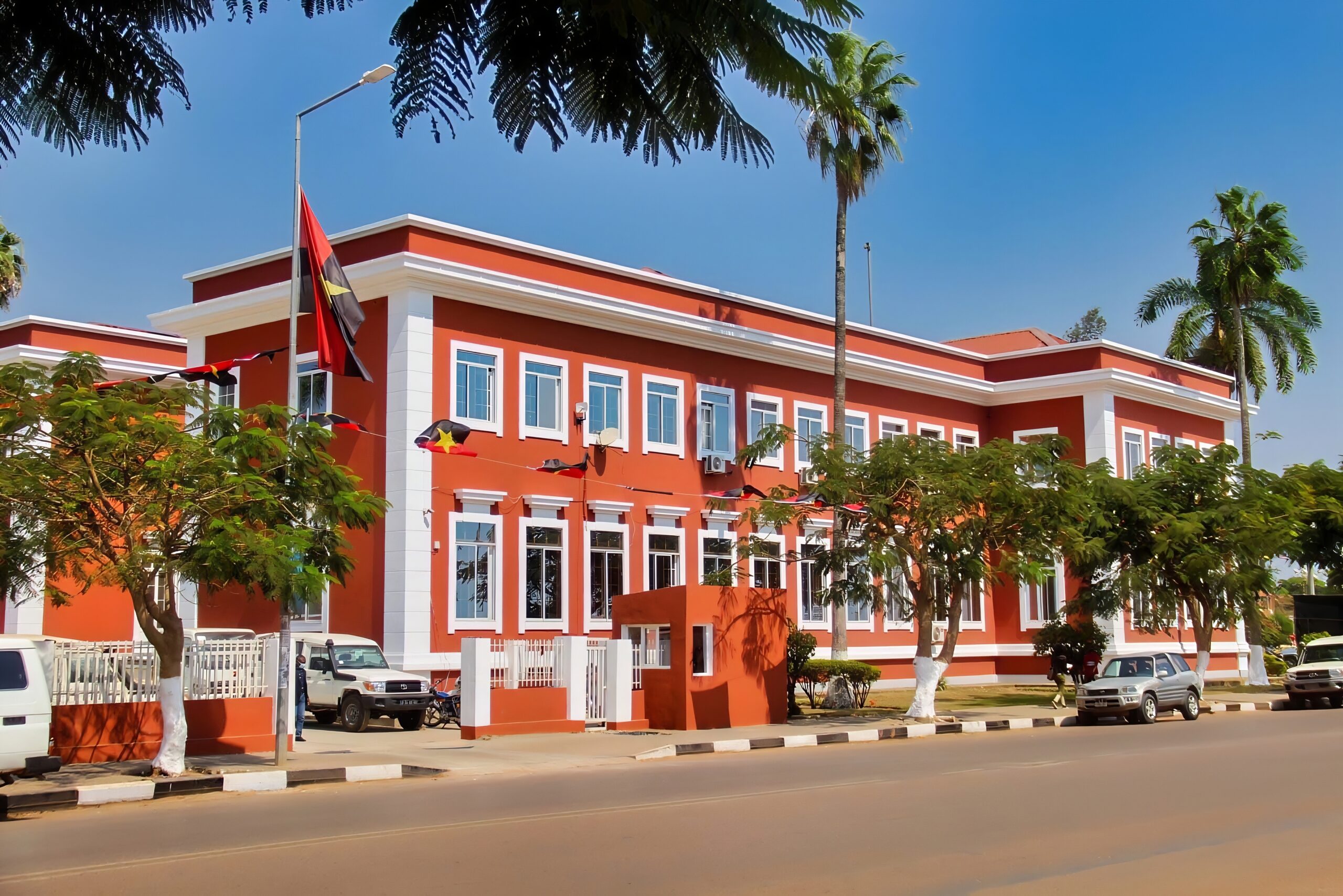
Infrastructure development has been steadily improving in recent years, bolstered by post-conflict reconstruction efforts across Angola. Major roads such as the EN230 link Malanje town—the provincial capital—to neighboring regions, facilitating commerce and tourism. However, challenges remain, particularly in remote areas where unpaved roads can become impassable during heavy rains. Despite these hurdles, ongoing investments aim to enhance connectivity and unlock Malanje’s full potential as both an economic hub and a premier tourist destination.

In essence, Malanje Province embodies the harmonious coexistence of natural splendor and human endeavor. Its varied geography not only underpins livelihoods but also creates a canvas upon which the province’s vibrant cultural heritage unfolds. As we delve deeper into the historical roots and cultural richness of this remarkable region, it becomes clear why Malanje continues to captivate visitors from around the globe.
Echoes of Time: Tracing the History of Malanje Province
To fully appreciate the allure of Malanje Province, one must delve into its storied past—a narrative woven with threads of indigenous ingenuity, colonial encounters, and post-independence transformation. Long before European explorers set foot in Angola, the region now known as Malanje was already a thriving center of activity for various ethnic groups, including the Mbundo people, who continue to shape its cultural identity today. These early inhabitants established sophisticated societies rooted in subsistence farming, hunting, and trade networks that extended across vast stretches of central Africa. Their settlements dotted the fertile valleys and plateaus, leaving behind traces of their legacy in oral traditions, archaeological sites, and enduring customs.

The arrival of Portuguese colonizers in the late 15th century marked a turning point in Malanje’s history. Initially driven by the quest for gold and slaves, the Portuguese gradually extended their influence over the region, establishing trading posts and missionary outposts. By the 17th century, Malanje had become an important node in the transatlantic slave trade, a grim chapter that left indelible scars on its social fabric. Yet, amidst the exploitation, resistance movements emerged, led by local leaders who sought to protect their communities and preserve their way of life. One notable figure was Queen Nzinga of Ndongo and Matamba, whose legendary defiance against Portuguese forces inspired generations of Angolans.
Colonial rule brought significant changes to Malanje’s landscape and demographics. Infrastructure projects, such as railways and plantations, were implemented to serve colonial interests, often at great cost to local populations. Forced labor systems disrupted traditional economies, while imported goods began to replace locally produced items. Nevertheless, the resilience of Malanje’s people ensured the survival of many cultural practices, blending them with elements introduced by missionaries and settlers. This fusion gave rise to a unique hybrid culture evident in everything from language to architecture.
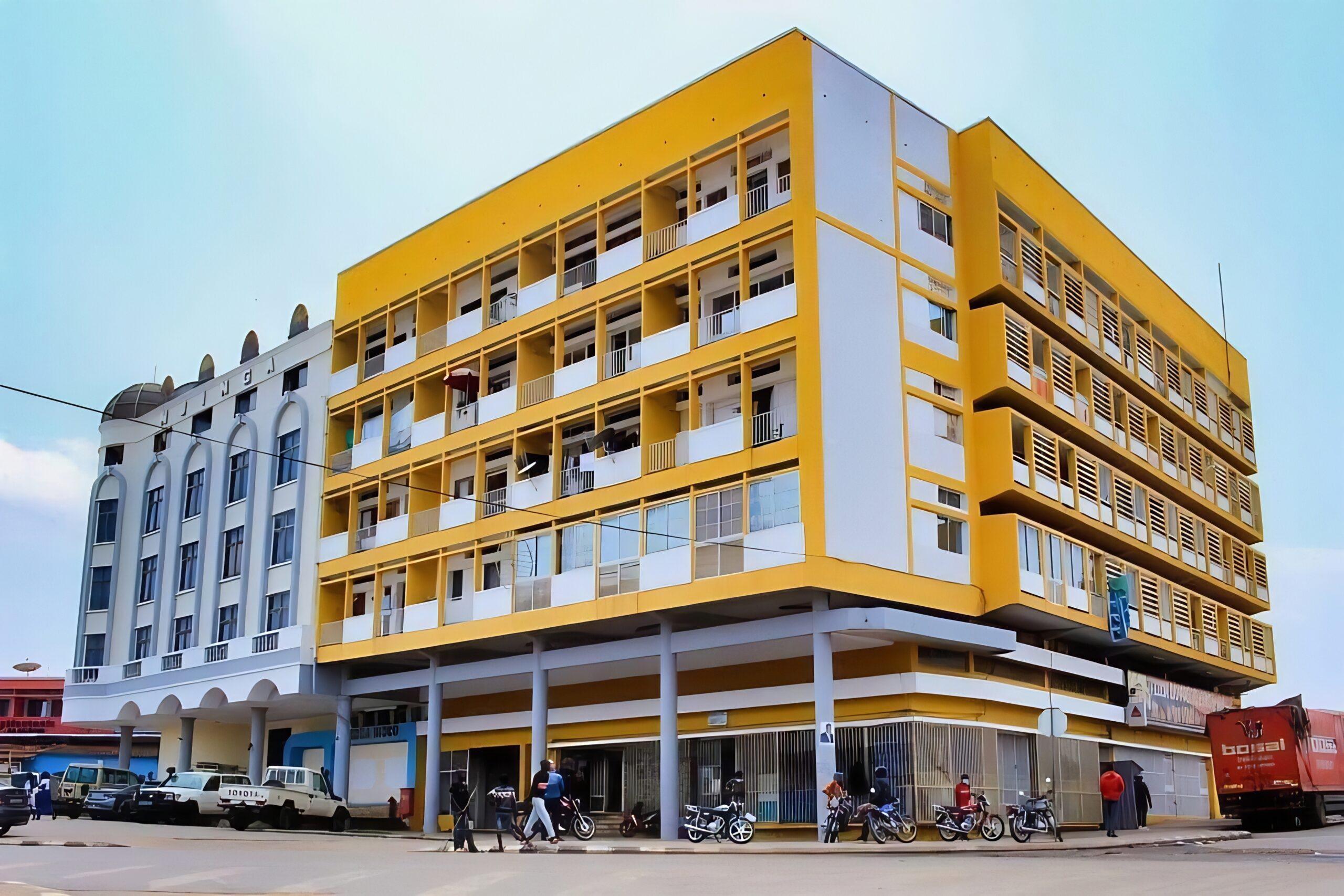
Independence in 1975 ushered in a new era for Malanje, albeit one fraught with challenges. The Angolan Civil War (1975–2002) profoundly impacted the province, displacing thousands and devastating infrastructure. Towns like Malanje city bore the brunt of conflict, yet they also became symbols of hope during periods of reconciliation. Post-war reconstruction efforts have since revitalized the region, restoring damaged roads, schools, and hospitals while fostering renewed pride in local heritage. Today, monuments and museums dedicated to this tumultuous period stand as reminders of the sacrifices made in pursuit of freedom.

Cultural preservation remains a cornerstone of Malanje’s modern identity. Efforts to safeguard intangible traditions—such as storytelling, music, and dance—are complemented by initiatives aimed at protecting tangible artifacts like the Black Rocks of Pungo Andongo. These ancient stone formations, etched with petroglyphs believed to date back centuries, serve as silent witnesses to the province’s enduring spirit. They remind us that despite external pressures, Malanje has retained its distinctiveness—a testament to the strength and adaptability of its people.
Understanding Malanje’s complex history enriches our appreciation of its present-day vibrancy. From pre-colonial kingdoms to contemporary celebrations like the annual Carnival of Malanje, each layer of the past contributes to the province’s multifaceted charm. As we explore its cultural heritage next, we’ll see how these historical echoes resonate through time, shaping the lives and aspirations of those who call Malanje home.
Celebrating Heritage: The Vibrant Cultural Tapestry of Malanje
Malanje Province is not merely a geographical entity but a living repository of Angola’s rich cultural heritage, where centuries-old traditions and modern expressions converge to create a dynamic mosaic of identity. At the heart of this cultural vibrancy lies the profound connection between the people of Malanje and their ancestral roots, manifested in festivals, rituals, music, art, and communal values. Among the most prominent custodians of this heritage are the Mbundo people, an ethnic group whose influence permeates nearly every aspect of life in the province. Through their customs and contributions, the Mbundo exemplify the resilience and creativity that define Malanje’s cultural landscape.
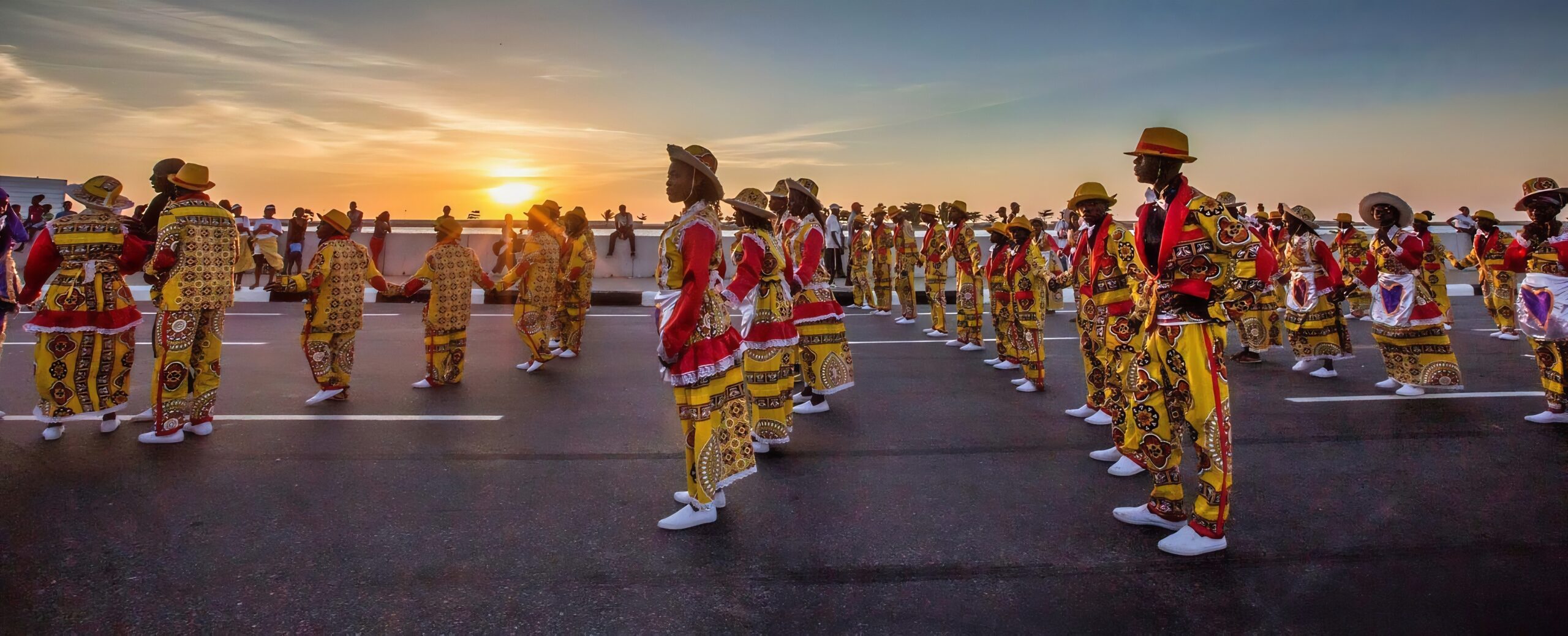
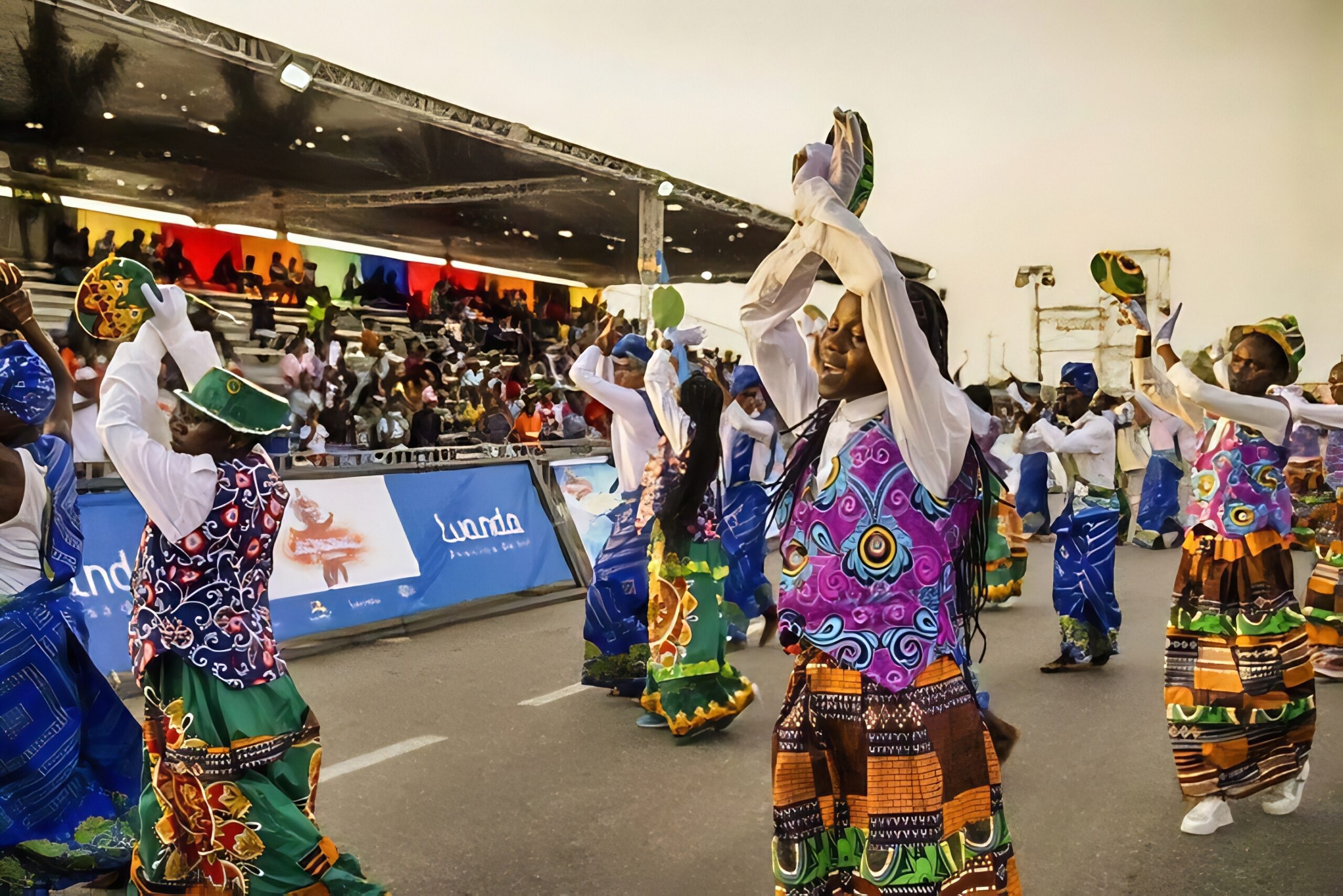
One cannot discuss Malanje’s cultural significance without mentioning the annual Carnival of Malanje , a jubilant celebration that encapsulates the province’s artistic spirit. Held in February or March, coinciding with the Christian Lenten season, the carnival transforms streets into kaleidoscopic parades filled with color, rhythm, and joy.
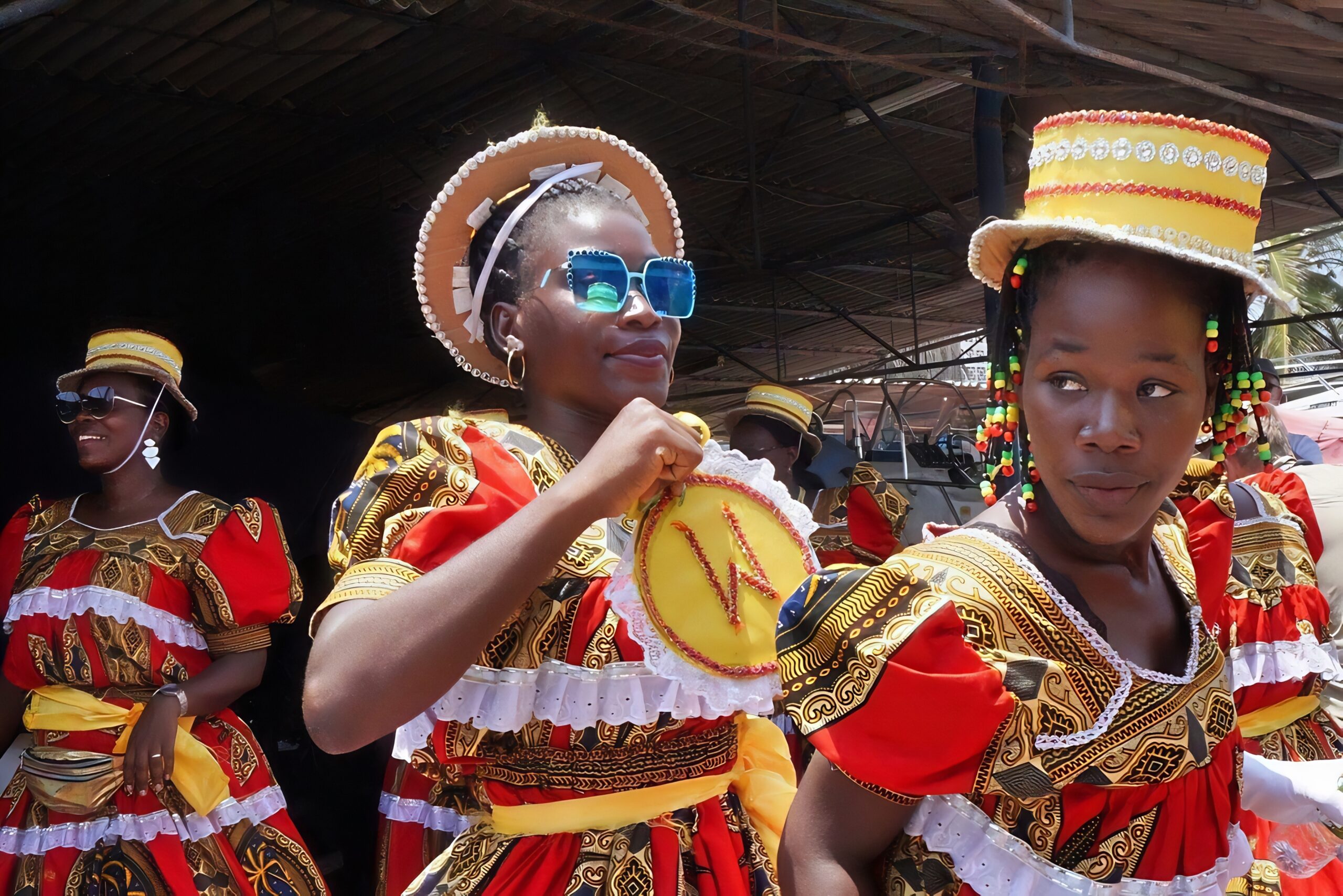
Participants don elaborate costumes adorned with intricate beadwork, feathers, and fabrics dyed using traditional techniques passed down through generations. Each float and performance tells a story—whether it’s a tribute to ancestral heroes, a reflection on local folklore, or a commentary on contemporary issues.
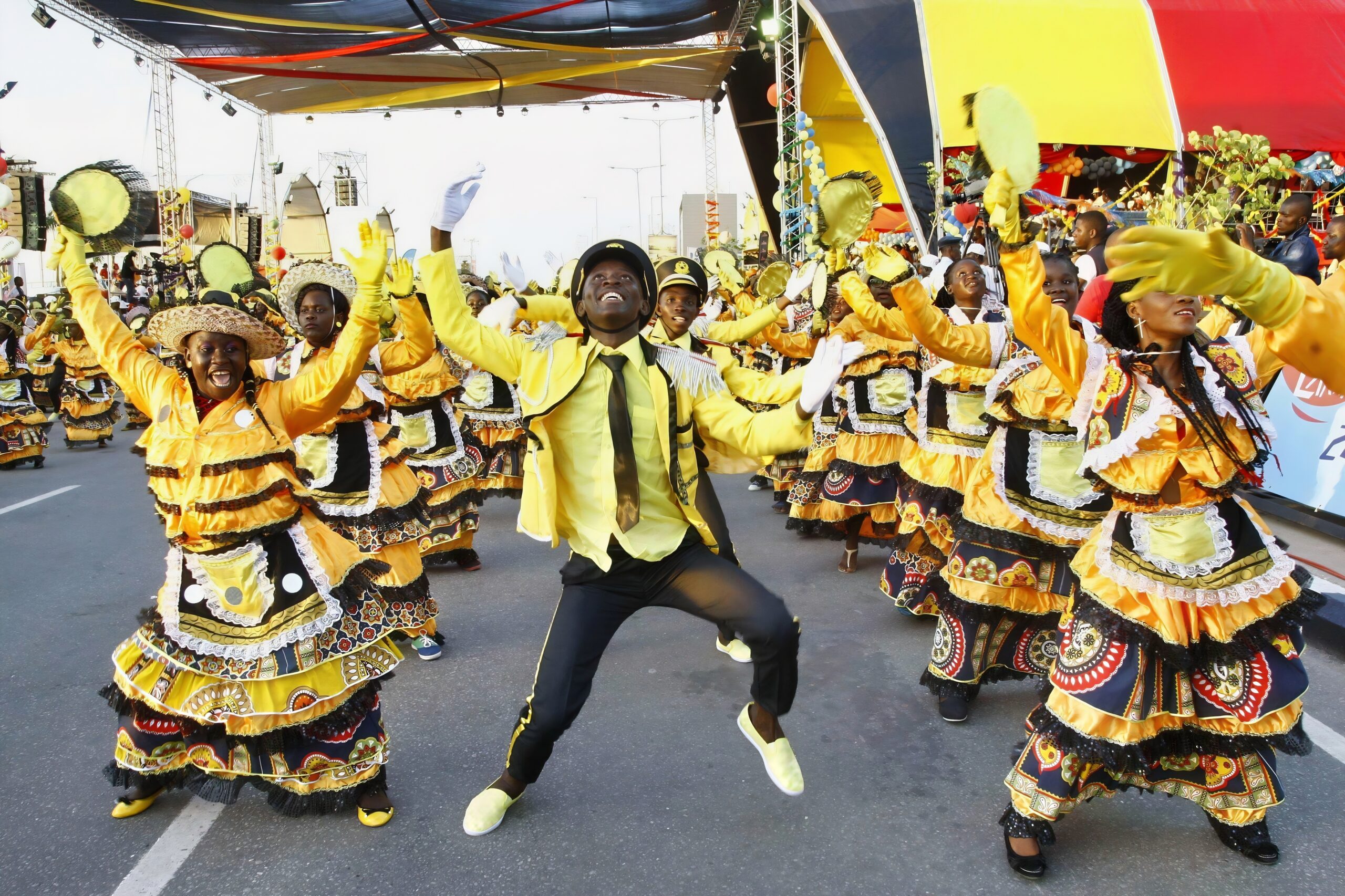
Drumbeats echo through the air as dancers move with infectious energy, inviting spectators to join in the revelry. For locals, the carnival is more than entertainment; it is a reaffirmation of community bonds and collective pride.

Music and dance play an integral role in Malanje’s cultural expression, serving as conduits for storytelling and emotional release. Traditional genres such as kilapanga and semba are staples at gatherings, weddings, and ceremonies, blending vocal harmonies with percussive rhythms produced by instruments like drums, marimbas, and thumb pianos.
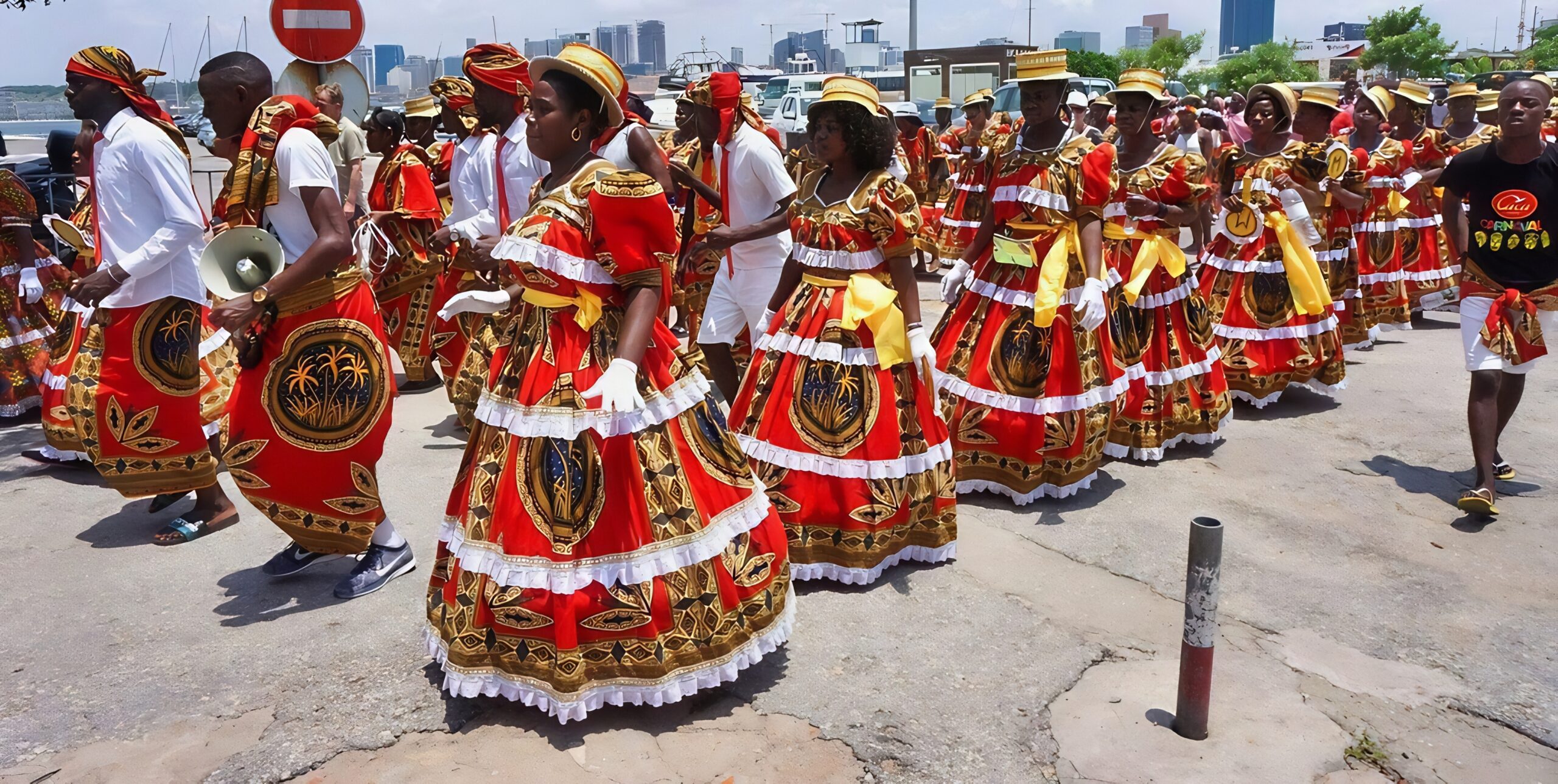
These musical forms often accompany dances that mimic movements observed in nature or depict scenes from everyday life. For instance, the kizomba dance style, which originated in Angola and gained international acclaim, finds its origins in the fluid, expressive motions characteristic of Malanje’s traditional choreography.
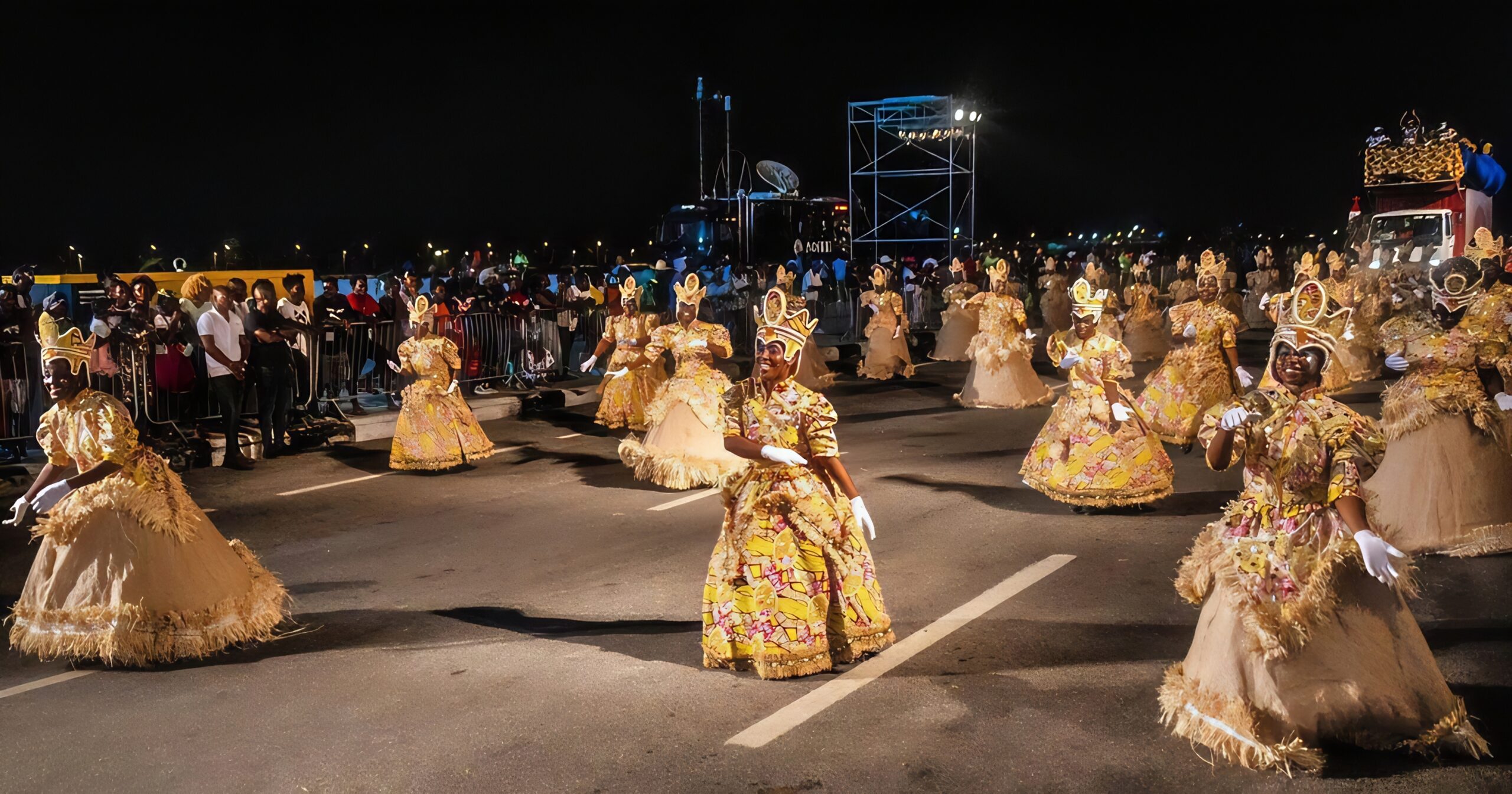

Music festivals held throughout the year celebrate these art forms, drawing performers and enthusiasts from across the globe.
Artisans in Malanje also contribute significantly to the province’s cultural richness, crafting objects that reflect both utility and symbolism. Pottery, basket weaving, and wood carving are among the most cherished crafts, with artisans employing techniques honed over decades. Intricately designed clay pots serve practical purposes in cooking and storage while doubling as decorative pieces that narrate tales of family lineage or spiritual beliefs. Similarly, wooden masks carved with geometric patterns are used in ceremonial contexts, embodying ancestral spirits or conveying moral lessons. Visitors to local markets will find themselves surrounded by these handcrafted treasures, each piece imbued with meaning and craftsmanship.
Religious practices further underscore the depth of Malanje’s cultural heritage. While Christianity has gained prominence due to colonial influences, indigenous belief systems persist alongside it, creating a syncretic blend of faiths. Rituals honoring ancestors (kimbangulistas ) remain widespread, involving offerings, prayers, and communal feasts designed to maintain harmony between the living and the departed. Sacred sites scattered across the province, such as caves and groves near the Black Rocks of Pungo Andongo, continue to attract pilgrims seeking guidance or blessings. This coexistence of spiritual traditions reflects the adaptability and inclusivity inherent in Malanje’s cultural ethos.
Language, too, serves as a vital thread binding Malanje’s communities together. The predominant languages spoken in the province include Umbundu (the lingua franca of the Mbundo people), Kimbundu, and Portuguese. Each language carries nuances shaped by historical interactions and regional dialects, enriching communication and fostering mutual understanding. Oral traditions thrive within this linguistic diversity, with elders passing down proverbs, fables, and epic poems to younger generations. These narratives often convey ethical teachings or explanations of natural phenomena, preserving knowledge in ways that transcend written records.
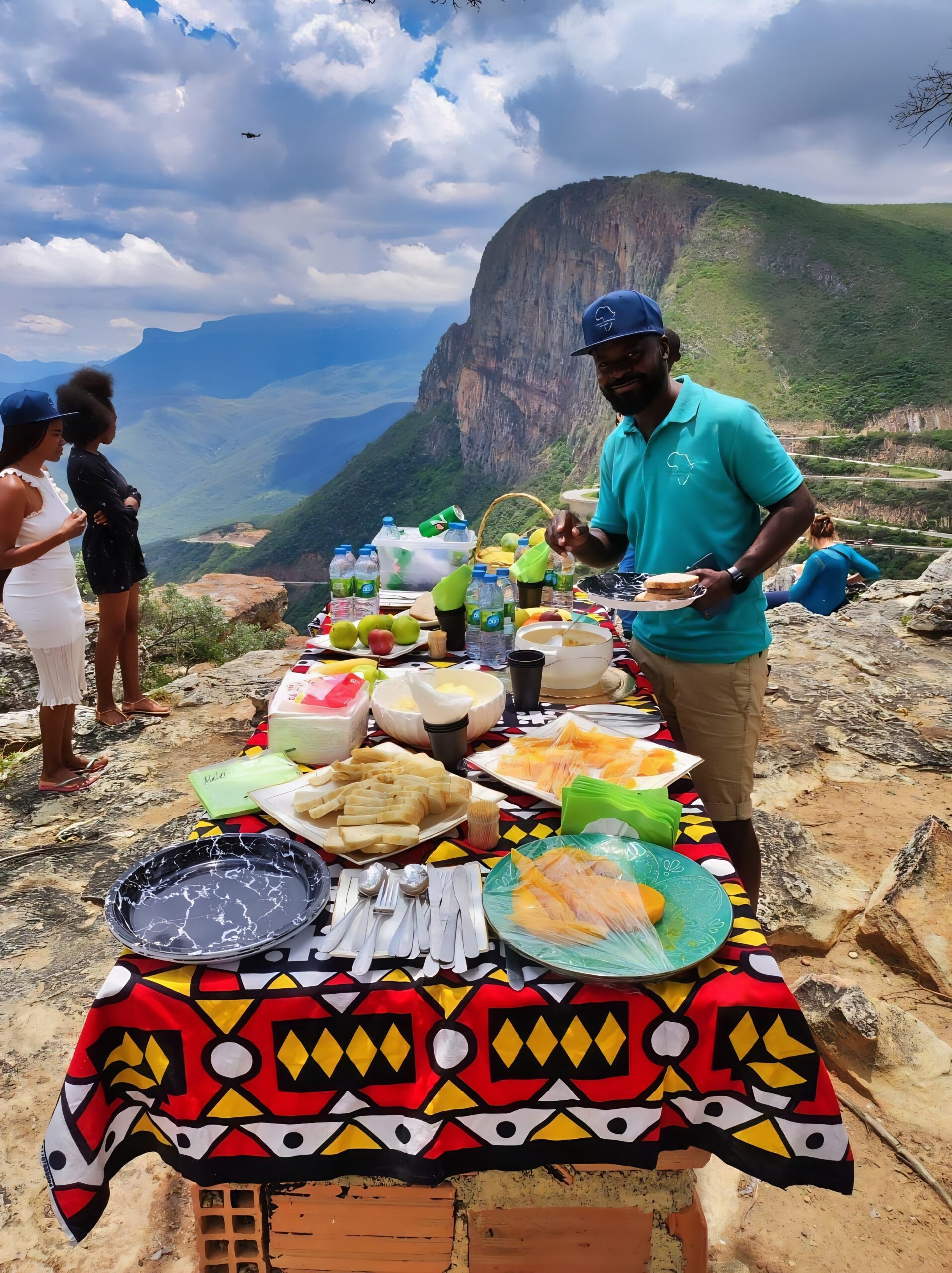
Perhaps what makes Malanje’s cultural heritage truly remarkable is its ability to evolve without losing sight of its essence. Modern influences—from urbanization to globalization—have introduced new dimensions to age-old customs, resulting in innovative interpretations that honor tradition while embracing change. For example, contemporary artists incorporate digital media into their work, creating visual representations of Malanje’s landscapes and histories that appeal to younger audiences. Likewise, culinary innovations fuse traditional recipes with international flavors, offering diners a taste of both familiarity and novelty.
In sum, Malanje’s cultural heritage is a testament to the resilience, creativity, and unity of its people. From the pulsating beats of the Carnival to the quiet reverence of ancestral rituals, every facet of life in the province resonates with meaning and purpose. As we transition to exploring Malanje’s tourism attractions, it becomes evident that these cultural elements are not confined to museums or archives—they are alive, breathing, and waiting to be experienced firsthand by those who venture into this extraordinary corner of Angola.
A Journey Through Wonders: Unveiling Malanje’s Premier Tourism Attractions
Malanje Province is a treasure trove of natural and cultural marvels, offering visitors an unparalleled array of experiences that cater to adventurers, history buffs, and nature enthusiasts alike. Among its crown jewels are the awe-inspiring Kalandula Falls and the enigmatic Black Rocks of Pungo Andongo , two destinations that epitomize the province’s breathtaking beauty and mystique.

Beyond these iconic landmarks, Malanje boasts a wealth of lesser-known yet equally captivating sites, each contributing to the region’s reputation as a must-visit destination for discerning travelers.
Kalandula Falls: Nature’s Grand Spectacle
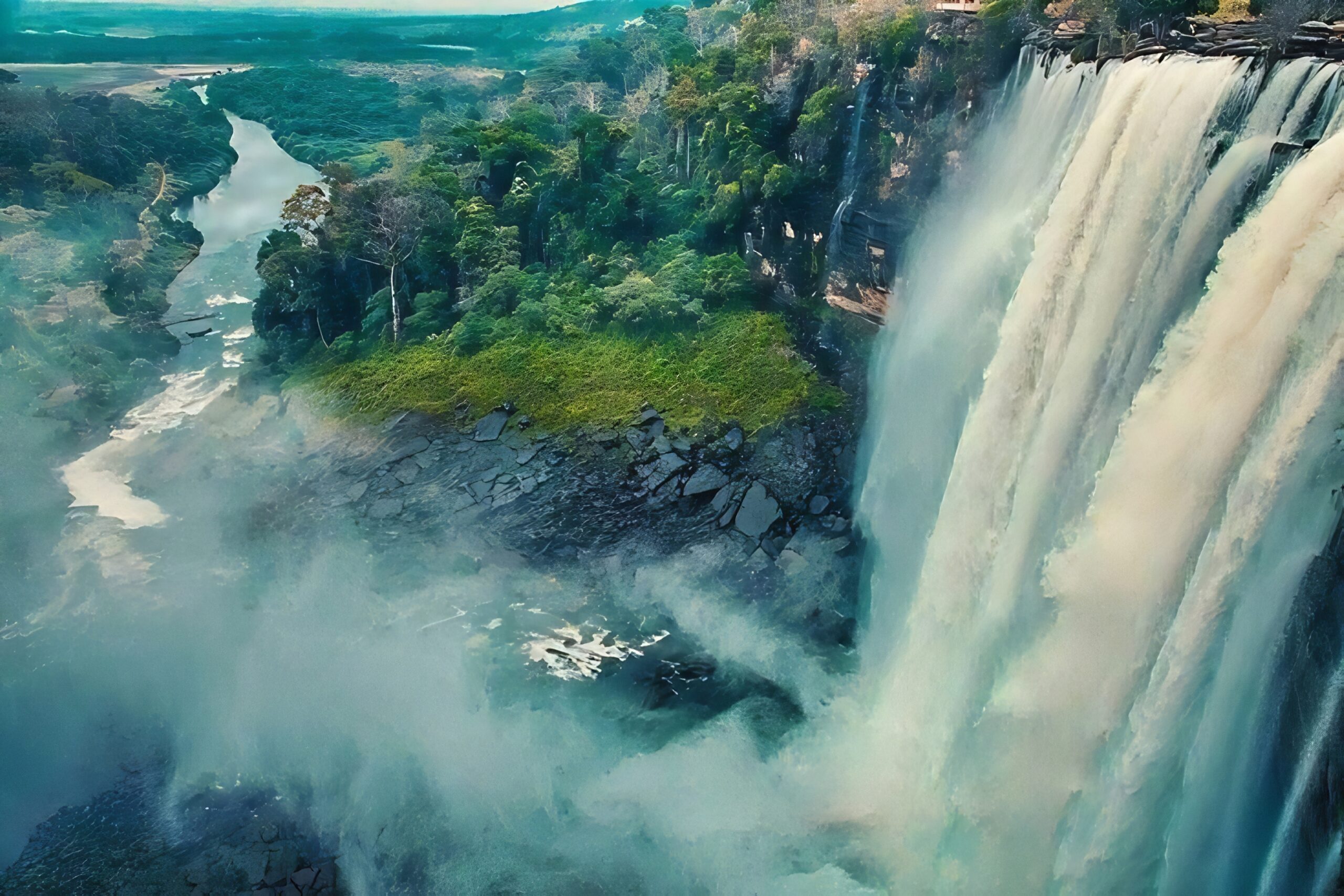
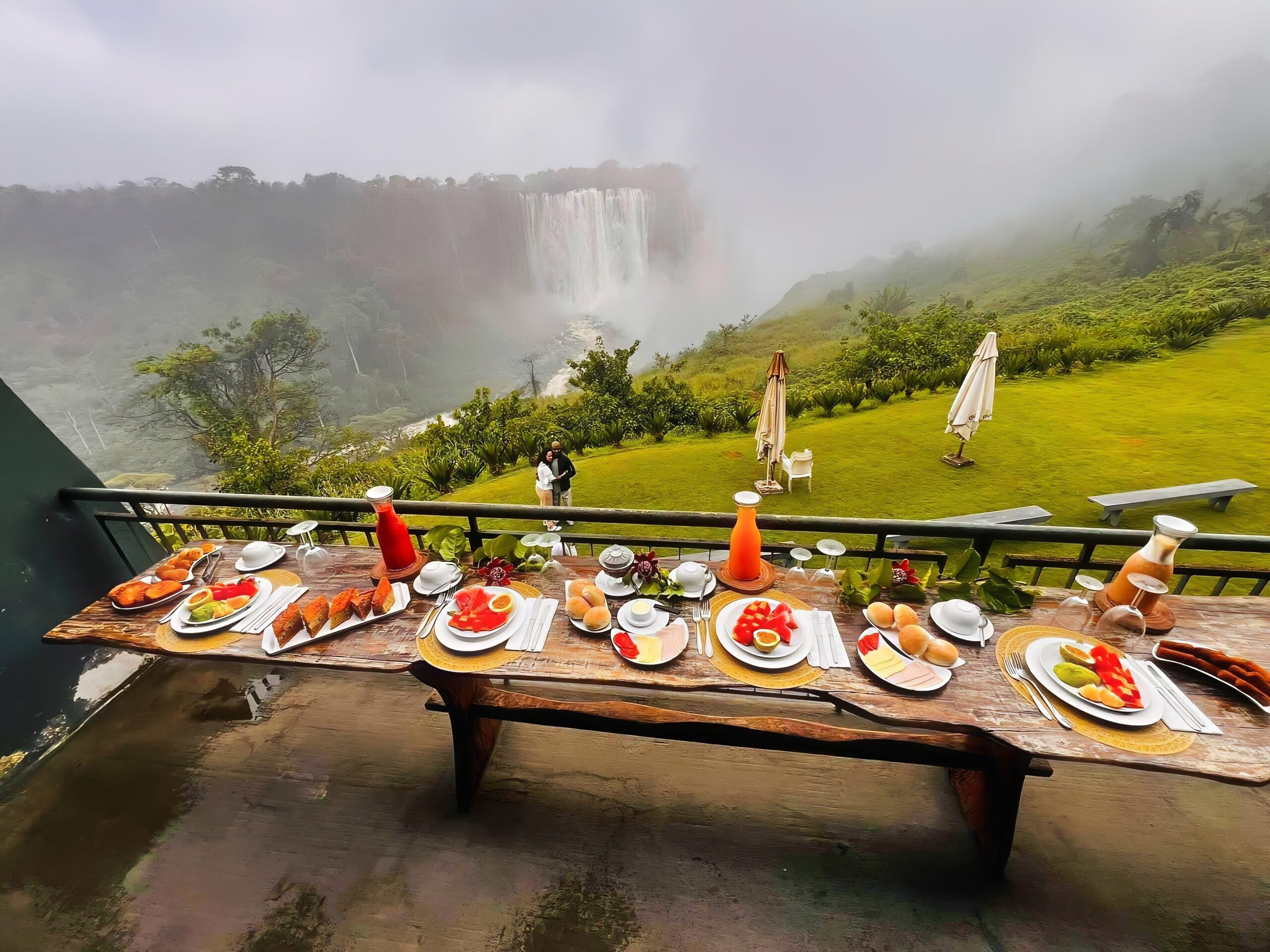
Standing tall as one of Africa’s largest waterfalls, Kalandula Falls is a quintessential highlight of any visit to Malanje. Located approximately 420 kilometers northeast of Luanda, this majestic cascade spans about 410 meters wide and plunges 105 meters into the Lucala River below, creating a thunderous roar that can be heard from miles away.
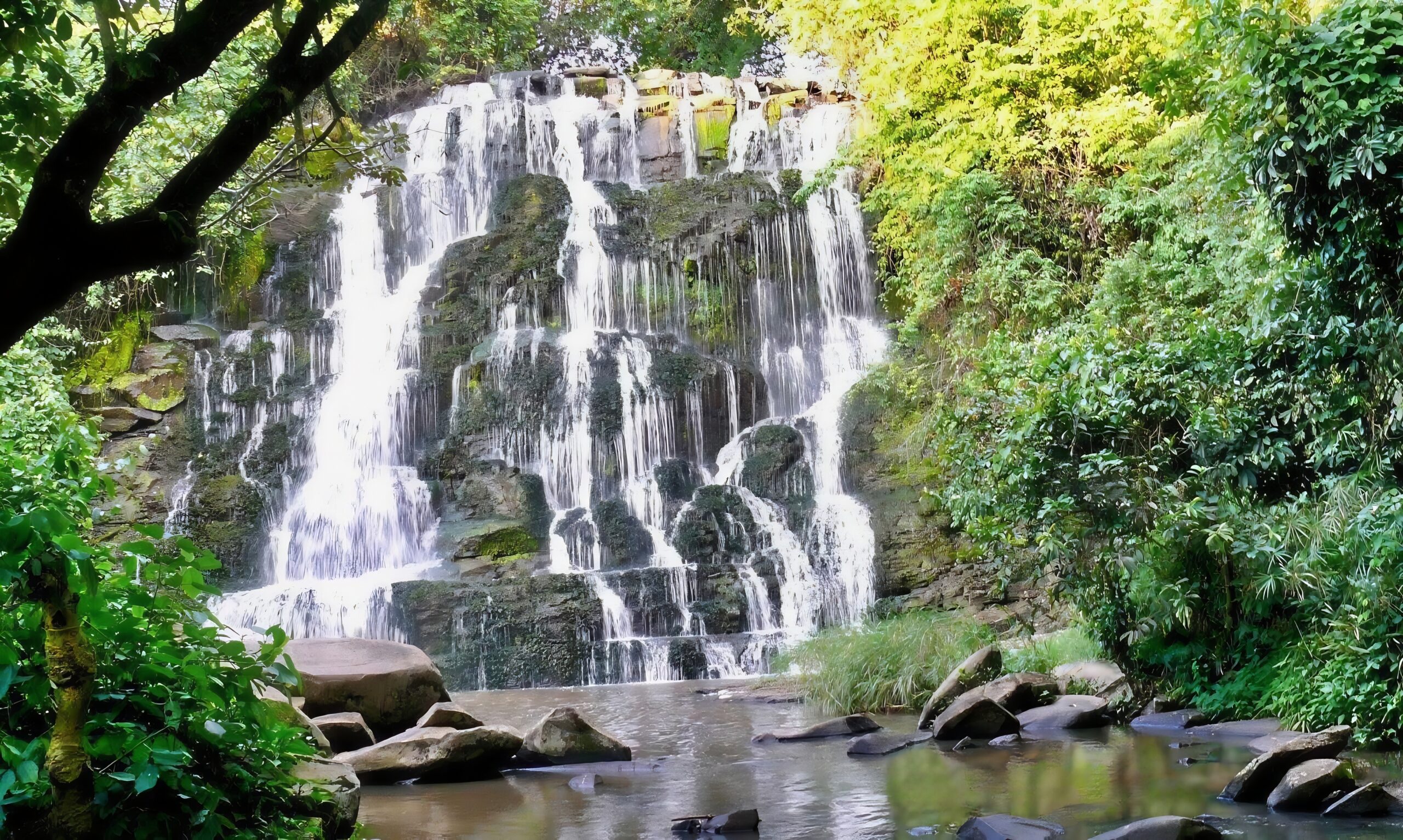
During the rainy season, when the river swells with rainwater, the falls transform into a torrential force of nature, shrouding the surrounding area in mist and rainbows. Photographers and nature lovers flock here to capture the sheer drama of the scene, while thrill-seekers enjoy activities like hiking along scenic trails that wind through lush vegetation and offer panoramic viewpoints.
The falls hold deep cultural significance for local communities, who regard them as sacred sites imbued with spiritual energy. According to legend, the cascading waters are said to cleanse negative energies, making Kalandula a popular spot for rituals and ceremonies. Visitors interested in learning more about these traditions can engage with knowledgeable guides who share fascinating insights into the myths and stories associated with the falls. For those seeking relaxation after a day of exploration, nearby lodges and campsites provide comfortable accommodations amidst serene surroundings, allowing guests to immerse themselves fully in the tranquility of the environment.
Black Rocks of Pungo Andongo: Monoliths Steeped in Mystery
Just a short drive from Malanje city lies another extraordinary attraction—the Black Rocks of Pungo Andongo (Pedras Negras de Pungo Andongo). These imposing granite formations rise dramatically from the flat plains, their dark surfaces weathered by millennia of wind and rain. Some rocks tower up to 20 meters high, creating an otherworldly landscape that has fascinated humans for centuries. Archaeological evidence suggests that these monoliths served as shelters and defensive positions for early inhabitants, with petroglyphs carved into the stone surfaces offering glimpses into ancient life.

Today, the Black Rocks attract adventurers eager to conquer their rugged terrain and history enthusiasts keen to unravel their mysteries. Hiking trails crisscross the site, leading explorers to hidden caves, lookout points, and remnants of colonial-era fortifications. One particularly intriguing feature is the “Stone Chair,” a naturally formed seat perched atop one of the highest rocks, offering sweeping views of the surrounding countryside.
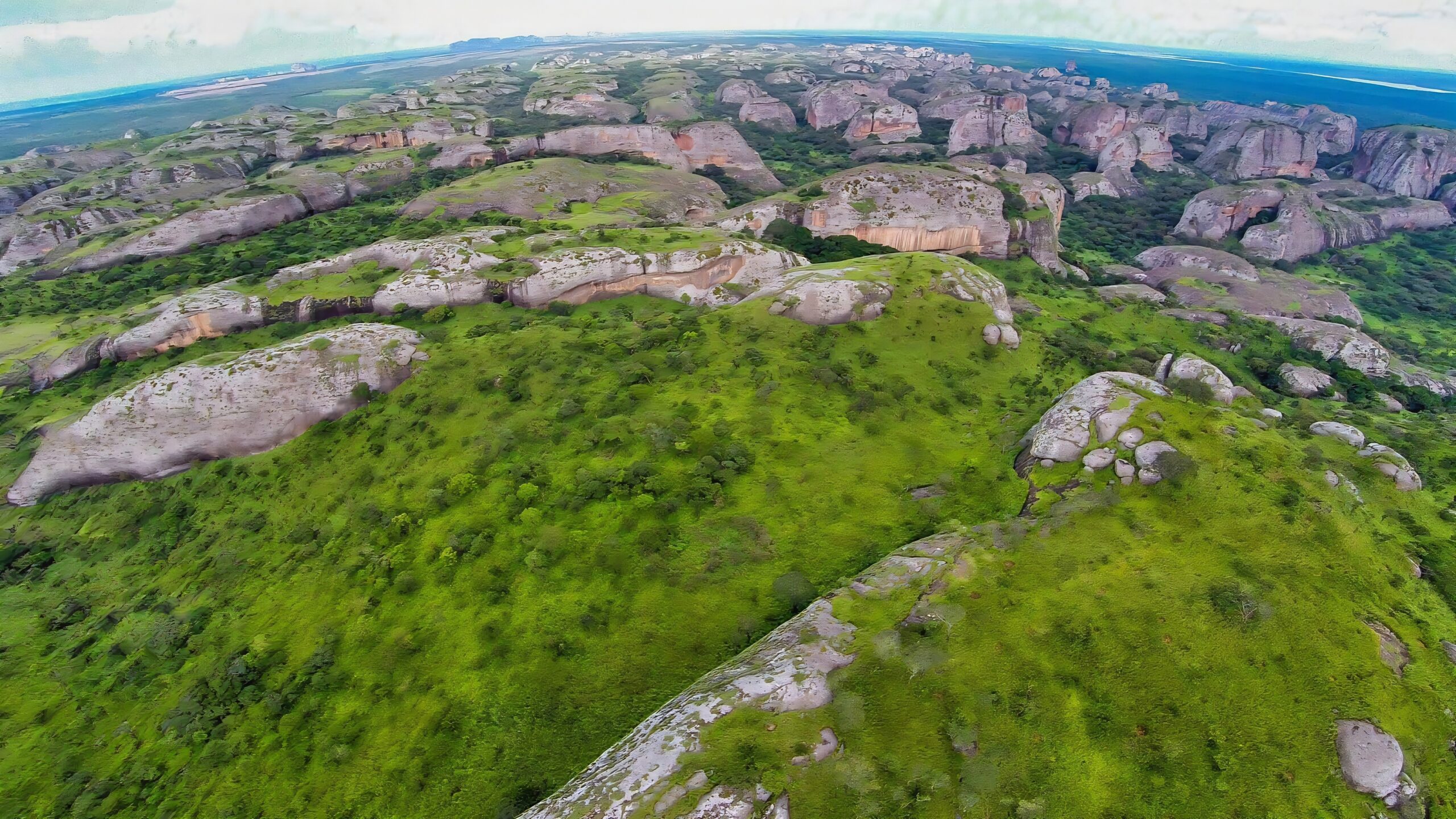
Local guides often recount tales of warriors and kings who once ruled from this vantage point, adding layers of intrigue to the experience.
For those intrigued by folklore, the Black Rocks are steeped in legend. One popular story tells of a powerful queen who used the rocks as her fortress, defending her kingdom against invaders with cunning strategies and supernatural powers.
Another tale speaks of hidden treasures buried beneath the stones, guarded by spirits that deter would-be treasure hunters. Whether fact or fiction, these narratives add an element of magic to the already mesmerizing setting.
Other Notable Sites: Hidden Gems Await Discovery
While Kalandula Falls and the Black Rocks dominate the spotlight, Malanje’s tourism offerings extend far beyond these headliners. The Calandula National Park , located near the falls, provides a haven for wildlife enthusiasts. Although still in the process of rehabilitation following years of neglect during the civil war, the park harbors diverse species such as antelopes, zebras, and birds of prey. Guided safaris allow visitors to observe these animals in their natural habitat, fostering a deeper appreciation for Angola’s ecological diversity.
History aficionados will find delight in visiting the ruins of Old Malanje , a colonial-era settlement abandoned during the war. Crumbling buildings and overgrown streets evoke a haunting sense of nostalgia, inviting contemplation on the passage of time and the resilience of human endeavor. Nearby, the Museum of Malanje houses artifacts ranging from prehistoric tools to colonial relics, providing context for the province’s complex past.
Nature lovers should not miss the Cumbila Forest Reserve , a verdant expanse teeming with endemic plant species and medicinal herbs. Walking tours led by botanists reveal the secrets of this botanical paradise, highlighting its importance to both biodiversity and local livelihoods. Birdwatchers, in particular, will relish spotting rare avian species flitting among the treetops.
Accessibility and Visitor Experience
Accessibility to Malanje’s attractions has improved significantly in recent years, thanks to ongoing infrastructure developments. Major roads connecting key sites ensure smooth travel, although some remote locations may require four-wheel-drive vehicles, especially during the rainy season. Accommodation options vary from budget-friendly guesthouses to luxury lodges, catering to different preferences and budgets. Many establishments prioritize eco-friendly practices, aligning with global trends toward sustainable tourism.
Local hospitality plays a crucial role in enhancing the visitor experience. Residents take immense pride in sharing their culture and knowledge, welcoming tourists with warmth and generosity. Whether sampling traditional dishes prepared with fresh ingredients sourced from nearby farms or participating in workshops where artisans demonstrate their skills, visitors leave Malanje with memories that linger long after their journey ends.
In conclusion, Malanje’s tourism attractions represent a harmonious blend of natural splendor and cultural depth. From the thundering majesty of Kalandula Falls to the enigmatic allure of the Black Rocks, each destination invites travelers to embark on a voyage of discovery. As we turn our attention to the annual Carnival of Malanje, we’ll see how these physical landmarks intersect with vibrant festivities, painting a complete picture of what makes this province so uniquely enchanting.
Rhythms of Celebration: The Annual Carnival of Malanje
Among the myriad cultural events that define Malanje Province, none captures the spirit of its people quite like the annual Carnival of Malanje . This vibrant festival, held each year in February or March, is a kaleidoscope of color, music, and movement that transforms the streets of Malanje city into a living canvas of joy and unity. Rooted in centuries-old traditions yet infused with modern flair, the carnival serves as a microcosm of the province’s cultural identity, showcasing the creativity, resilience, and communal pride of its residents. For international tourists seeking an immersive cultural experience, attending the Carnival of Malanje is nothing short of transformative.
Origins and Evolution of the Carnival
The origins of the Carnival of Malanje trace back to pre-colonial times, when local communities celebrated seasonal transitions and harvest cycles with lively gatherings. These early festivities featured drumming, dancing, and feasting, serving as occasions for social bonding and spiritual renewal. With the arrival of Portuguese colonizers, Catholic influences began to merge with indigenous practices, giving rise to a hybrid celebration aligned with the Christian Lenten calendar. Over time, the carnival evolved into a secular event that embraced broader themes of cultural expression and national pride.

Following Angola’s independence in 1975, the Carnival took on new significance as a symbol of unity and resilience. Amidst the challenges posed by the civil war, communities continued to organize smaller-scale versions of the festival, using it as a platform to assert their cultural autonomy and foster hope. Today, the Carnival of Malanje stands as a testament to the province’s ability to adapt and thrive, blending traditional elements with contemporary innovations to create a celebration that resonates across generations.
A Feast for the Senses: Highlights of the Carnival
What sets the Carnival of Malanje apart is its sheer exuberance and inclusivity. The event kicks off with a grand parade featuring elaborately decorated floats, each representing a different neighborhood, organization, or cultural group. Participants clad in dazzling costumes crafted from sequins, beads, and brightly dyed fabrics move in synchronized rhythm, their movements accompanied by the infectious beats of traditional drums and brass bands. The air buzzes with excitement as spectators line the streets, cheering and clapping along to the music.
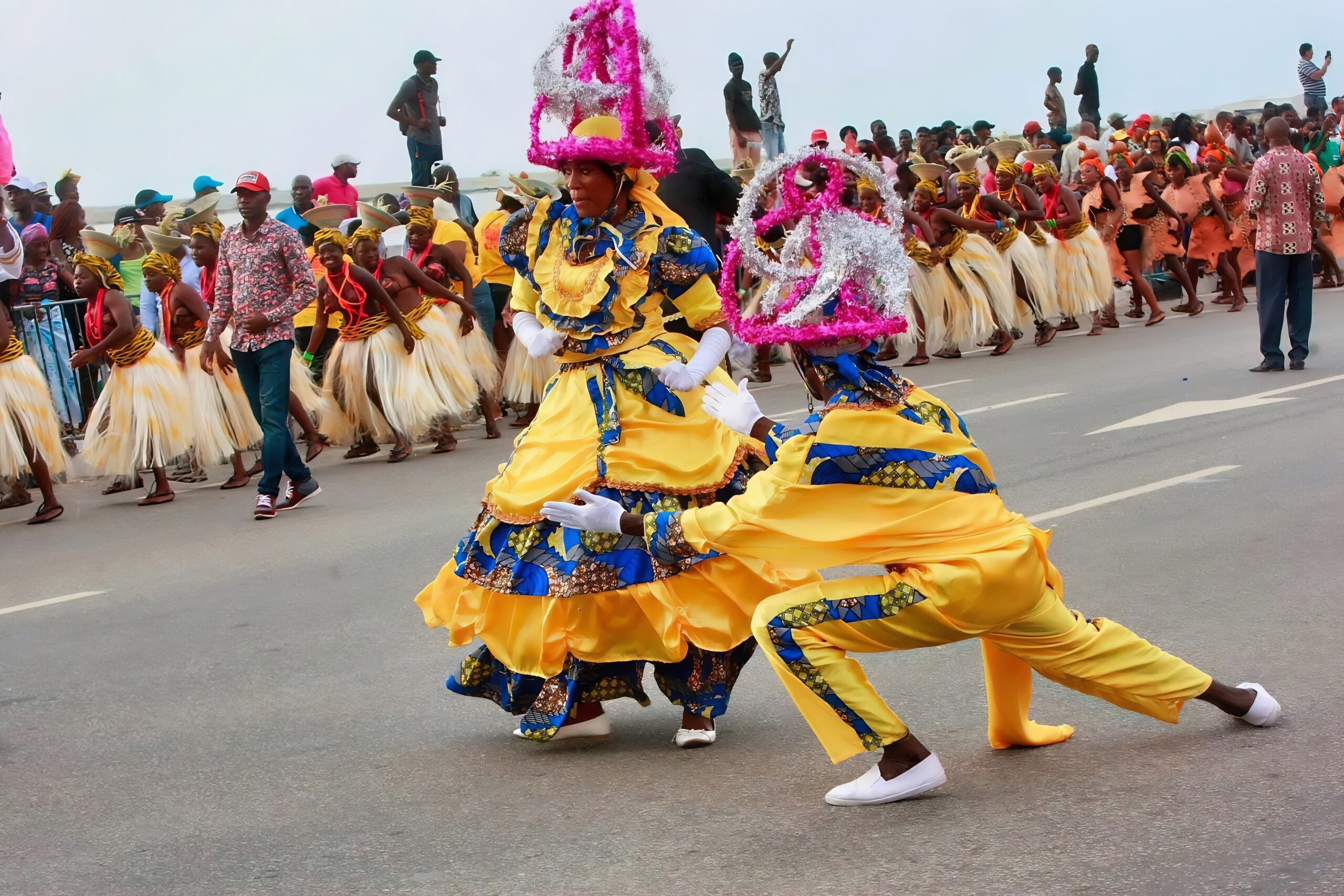
Dance performances are a cornerstone of the carnival, reflecting the rich diversity of Malanje’s cultural heritage. Groups specializing in styles such as kilapanga , semba , and kizomba showcase their talents, executing intricate routines that tell stories of love, struggle, and triumph. Some troupes incorporate acrobatics and stilt-walking into their acts, adding an extra layer of spectacle to the proceedings. Visitors are often invited to join in, creating moments of spontaneous connection and shared joy.

Music plays an equally vital role, with live performances taking place on stages set up throughout the city. Renowned Angolan musicians and emerging artists alike grace these platforms, delivering electrifying sets that span genres from Afrobeat to zouk. Food stalls lining the streets offer a tantalizing array of local delicacies, from grilled meats and spicy stews to sweet treats like muamba de galinha (chicken cooked in palm oil sauce) and fuba com carne (cornmeal porridge with meat). Sampling these dishes allows visitors to savor the flavors of Malanje while engaging with vendors eager to share recipes passed down through generations.
Community Engagement and Social Impact
At its core, the Carnival of Malanje is a community-driven initiative that fosters collaboration and empowerment. Months of preparation go into organizing the event, with volunteers working tirelessly to design costumes, build floats, and rehearse performances. Schools, churches, and civic organizations play active roles, instilling a sense of ownership and responsibility among participants. This collective effort not only strengthens social cohesion but also provides opportunities for skill development and entrepreneurship.
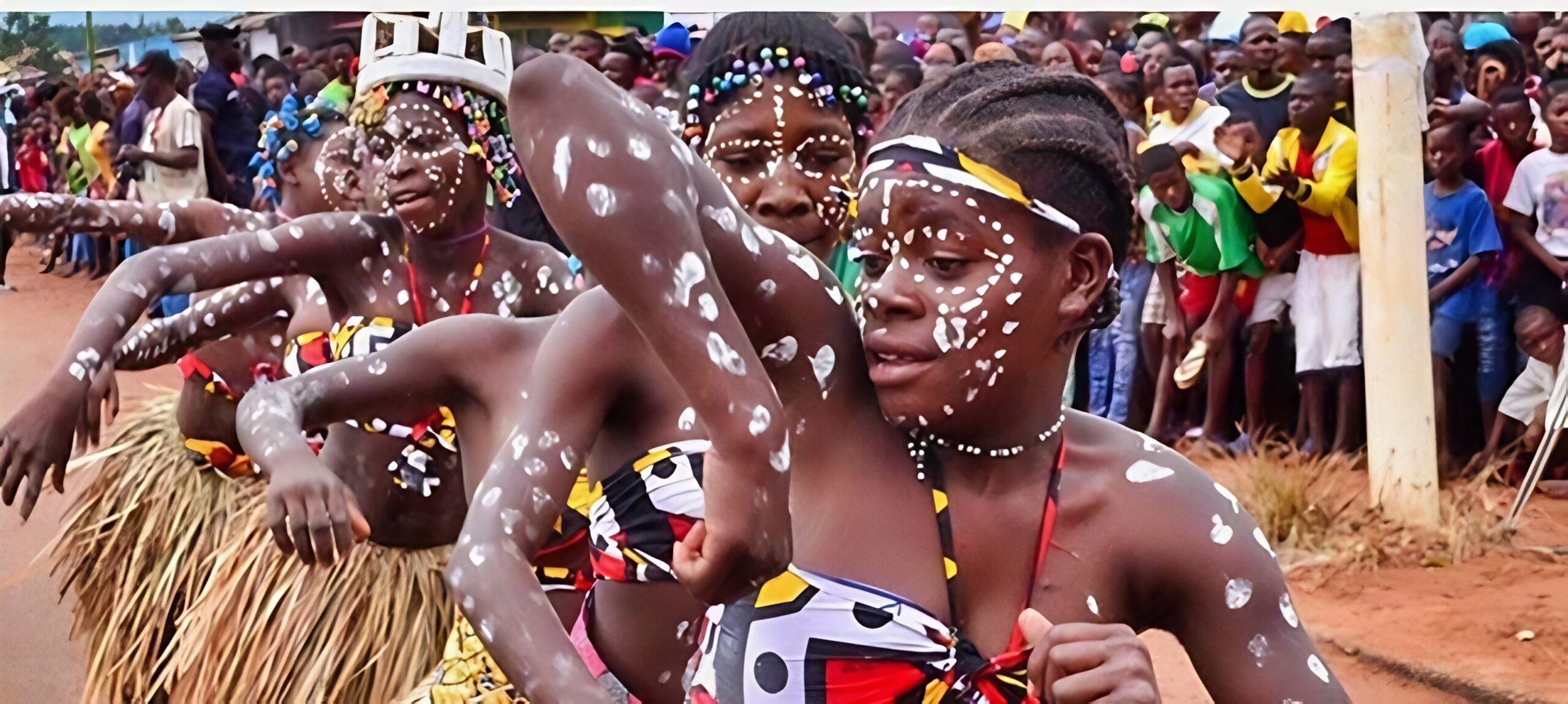
For young people in particular, the carnival serves as a launchpad for artistic careers. Emerging designers gain exposure by creating costumes and props, while aspiring musicians and dancers hone their craft under the mentorship of seasoned professionals. Workshops and training sessions held in the lead-up to the event equip attendees with practical skills that extend beyond the festival itself, contributing to Malanje’s creative economy.

The carnival also promotes environmental awareness and sustainability. Recent editions have incorporated eco-friendly practices, such as using recycled materials for costumes and floats, encouraging waste reduction, and promoting tree planting initiatives. These efforts underscore the importance of preserving Malanje’s natural resources while celebrating its cultural riches.
Why Tourists Should Experience the Carnival
For international visitors, the Carnival of Malanje offers an unparalleled opportunity to witness Angolan culture in its purest form. Unlike staged performances or curated exhibits, the carnival is an authentic, grassroots celebration that invites participation rather than passive observation. Engaging with locals during the festivities provides invaluable insights into their way of life, fostering cross-cultural understanding and mutual respect.
Logistically, attending the carnival is straightforward, with organizers ensuring safety and accessibility for all participants. Hotels and guesthouses in Malanje city fill up quickly during this period, so advance booking is recommended. Shuttle services operate between key venues, making it easy to navigate the event. Additionally, guided tours tailored specifically for tourists offer behind-the-scenes access to rehearsals, costume-making workshops, and exclusive meet-and-greets with performers.
Ultimately, the Carnival of Malanje transcends mere entertainment—it is a celebration of humanity itself. Through its pulsating rhythms, vivid imagery, and unbridled enthusiasm, the festival reminds us of the universal power of art and community to inspire, heal, and unite. As we shift focus to exploring the Black Rocks of Pungo Andongo in greater detail, consider how this geological wonder intertwines with the province’s cultural heartbeat, further enriching the tapestry of experiences awaiting discovery in Malanje.
Mysteries Carved in Stone: Exploring the Black Rocks of Pungo Andongo
Few places in Malanje Province evoke as much wonder and intrigue as the Black Rocks of Pungo Andongo (Pedras Negras de Pungo Andongo). Rising dramatically from the surrounding plains, these towering granite monoliths are not only a geological marvel but also a site steeped in history, legend, and cultural significance. For travelers seeking an immersive experience that combines adventure with education, the Black Rocks stand as an unparalleled destination—one that reveals layers of Malanje’s past while inspiring awe in its present-day visitors.
Geological Formation and Natural Splendor
The Black Rocks of Pungo Andongo owe their existence to millions of years of natural processes, beginning with the slow cooling and solidification of molten magma deep within the Earth’s crust. Over millennia, erosion sculpted these massive boulders into their current forms, creating jagged edges, smooth curves, and peculiar shapes that defy conventional geometry. Standing up to 20 meters tall, the rocks dominate the horizon, their dark hues contrasting sharply against the golden grasslands and azure skies of the region.
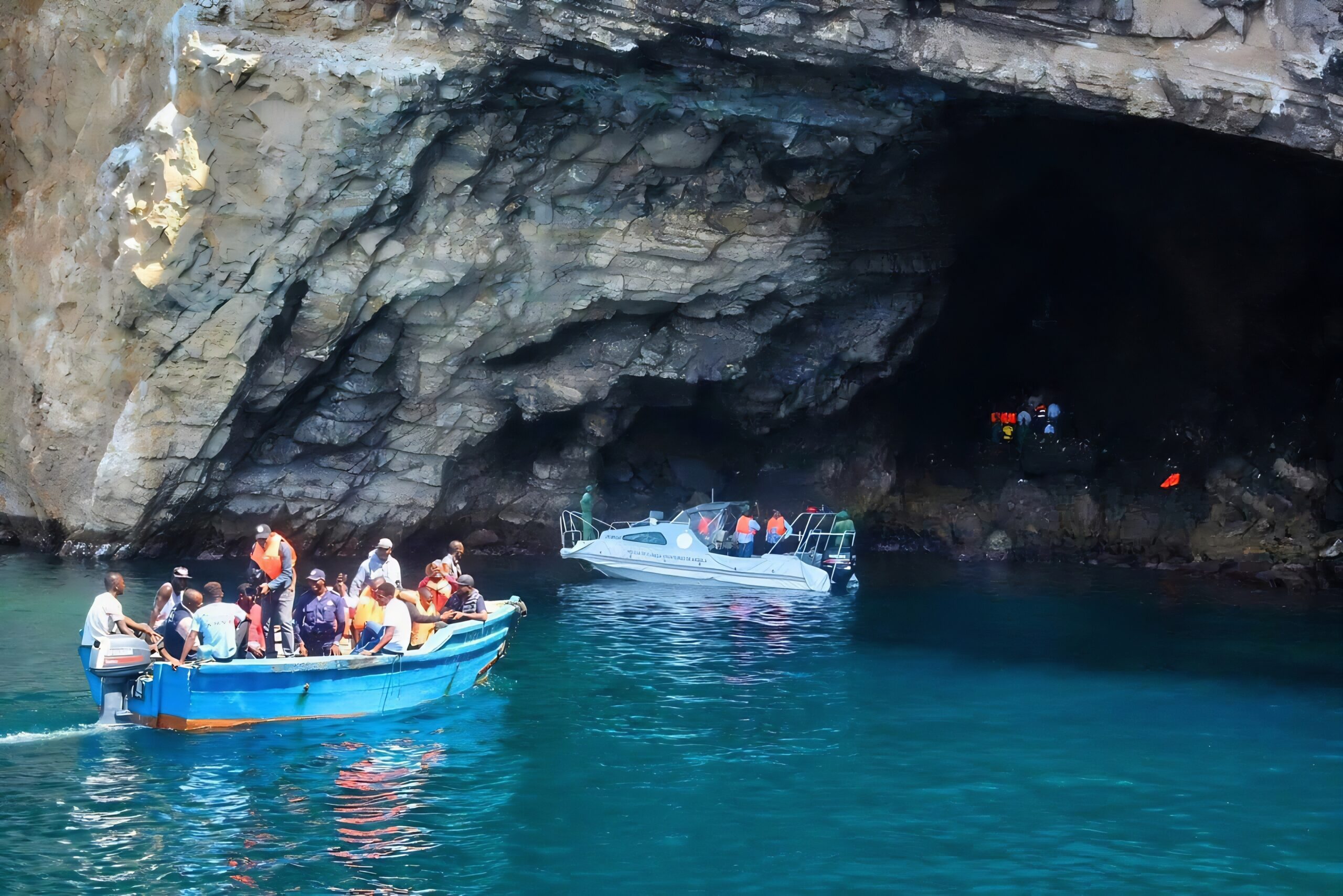
What makes the Black Rocks particularly fascinating is their sheer scale and isolation. Unlike other geological formations found in clusters or mountain ranges, these monoliths appear almost randomly scattered across the landscape, lending them an otherworldly quality. Some rocks balance precariously atop one another, defying gravity, while others form natural archways and crevices that invite exploration. During sunrise and sunset, the interplay of light and shadow accentuates their textures, transforming the site into a photographer’s dream.
Ecologically, the area surrounding the Black Rocks supports a variety of plant and animal species adapted to the semi-arid conditions. Hardy shrubs cling to crevices, while birds of prey circle overhead, scanning the plains below for prey. Visitors may encounter small mammals darting between rocks or hear the distant call of a jackal echoing through the stillness. This biodiversity adds another dimension to the experience, reminding travelers of the interconnectedness of geology, flora, and fauna.
Historical Significance and Archaeological Treasures
Beyond their natural beauty, the Black Rocks of Pungo Andongo hold immense historical value, serving as a window into the lives of ancient civilizations. Archaeological studies have uncovered evidence of human habitation dating back thousands of years, including rock shelters used as dwellings and defensive positions. Petroglyphs etched into the stone surfaces depict animals, abstract symbols, and human figures, offering tantalizing clues about the beliefs and activities of early inhabitants.
One of the most notable features of the site is the presence of fortified structures built during the colonial era. Strategically positioned atop the highest rocks, these remnants of military outposts reflect the region’s turbulent history, marked by conflicts between local kingdoms and European colonizers. Guided tours often highlight these ruins, explaining their role in shaping the political and social dynamics of the time. For history enthusiasts, walking among these weathered walls provides a visceral connection to the past, evoking images of soldiers standing guard and traders negotiating deals beneath the African sun.
Legends and Folklore: Tales of Warriors and Spirits
The Black Rocks are as much a part of Malanje’s folklore as they are of its physical landscape. Local legends abound, weaving tales of valor, mystery, and supernatural forces. One popular story revolves around Queen Njinga, the famed ruler of Ndongo and Matamba, who allegedly sought refuge among the rocks during her campaigns against Portuguese forces. According to oral tradition, she used the labyrinthine passages and elevated vantage points to plan her strategies, earning the nickname “Queen of the Stones.”
Another enduring myth speaks of hidden treasures buried beneath the monoliths, guarded by ancestral spirits determined to protect their secrets. Elders recount how treasure hunters have ventured into the area only to return empty-handed—or worse, never to return at all. While skeptics dismiss these accounts as mere superstition, the stories persist, adding an element of mystique that draws curious adventurers and storytellers alike.
For the Mbundo people and other ethnic groups in Malanje, the Black Rocks are sacred spaces imbued with spiritual energy. Rituals and ceremonies conducted here are believed to invoke protection, fertility, and prosperity. Pilgrims often leave offerings such as grains, herbs, or handmade tokens as gestures of gratitude or supplication. Even casual visitors report feeling a profound sense of peace and introspection while wandering among the stones, suggesting that the site possesses qualities beyond the tangible.
Activities and Visitor Experiences
The Black Rocks of Pungo Andongo cater to a wide range of interests, ensuring there’s something for everyone to enjoy. Adventure seekers can tackle the challenging hiking trails that weave through the formations, testing their endurance and rewarding them with breathtaking vistas. Climbers find ample opportunities to scale the rocks, though caution is advised due to their uneven surfaces and occasional loose debris. For those preferring a gentler pace, guided walks led by knowledgeable locals provide informative commentary on the site’s geology, history, and cultural relevance.
Photography enthusiasts will discover endless possibilities for capturing the essence of the Black Rocks. Whether framing a lone monolith against a fiery sunset or documenting the delicate carvings of ancient petroglyphs, every shot tells a story. Travelers interested in astrophotography will appreciate the lack of light pollution, allowing for stunning images of star-filled skies above the silhouetted rocks.
Educational programs and workshops occasionally take place at the site, focusing on topics such as archaeology, conservation, and traditional crafts. Participants might learn how to identify different types of rock formations, participate in mock excavations, or try their hand at creating replicas of petroglyphs using age-old techniques. These hands-on experiences deepen visitors’ appreciation for the Black Rocks’ multifaceted significance.
Practical Considerations for Visitors
Reaching the Black Rocks of Pungo Andongo requires a bit of planning, as the site lies approximately 120 kilometers northwest of Malanje city. The journey typically involves traveling along paved roads followed by a short stretch of unpaved terrain, which can become muddy during the rainy season. Four-wheel-drive vehicles are recommended for optimal comfort and safety. Several tour operators based in Malanje city offer guided excursions, complete with transportation, meals, and expert narration.

Accommodations near the site are limited, but camping facilities provide a rustic yet rewarding option for those wishing to spend more time exploring. Tents can be pitched in designated areas, offering close proximity to the rocks and the chance to wake up to the sounds of nature. Alternatively, visitors can opt for lodges in nearby towns, returning to the Black Rocks for day trips.
Safety measures are in place to ensure a secure experience, with rangers patrolling the area and signage marking hazardous zones. Visitors are encouraged to wear sturdy footwear, carry plenty of water, and apply sunscreen, as shade is scarce during peak daylight hours. Respect for the site’s cultural and environmental integrity is paramount; littering and vandalism are strictly prohibited.
Why the Black Rocks Matter
The Black Rocks of Pungo Andongo embody the intersection of nature, history, and culture that defines Malanje Province. They remind us of the enduring power of the Earth’s forces, the ingenuity of our ancestors, and the timeless allure of storytelling. For international tourists, visiting the Black Rocks is not just about ticking off another item on a travel itinerary—it’s about forging a personal connection with a place that has witnessed countless generations come and go. As we transition to examining Malanje’s status as a popular destination, consider how attractions like the Black Rocks contribute to the province’s growing appeal on the global stage.
A Destination Like No Other: Why Malanje Shines as a Popular Tourist Haven
In recent years, Malanje Province has emerged as one of Angola’s most sought-after destinations, captivating international tourists with its unique blend of natural wonders, cultural richness, and untapped potential.

What sets Malanje apart from other travel hotspots is not merely its impressive roster of attractions but the seamless integration of these elements into a cohesive experience that resonates deeply with visitors. From the thundering majesty of Kalandula Falls to the enigmatic allure of the Black Rocks of Pungo Andongo, every corner of the province tells a story waiting to be discovered. For travelers seeking authenticity, adventure, and meaningful connections, Malanje offers an unrivaled opportunity to step off the beaten path and immerse themselves in a world unlike any other.
A Magnet for Diverse Travelers
Malanje’s appeal lies in its ability to cater to a broad spectrum of interests, ensuring there’s something for everyone. Adventure enthusiasts gravitate toward the province’s rugged landscapes, where activities such as hiking, rock climbing, and wildlife safaris promise adrenaline-pumping thrills. The Calandula National Park , nestled near Kalandula Falls, beckons nature lovers with its burgeoning population of antelopes, zebras, and exotic bird species. Meanwhile, history buffs find themselves drawn to sites like the ruins of Old Malanje and the petroglyph-covered Black Rocks, where echoes of the past reverberate through time.
Cultural immersion is another hallmark of the Malanje experience. The annual Carnival of Malanje stands out as a prime example, offering visitors a front-row seat to the province’s artistic spirit and communal vitality. Dance performances, music concerts, and culinary delights combine to create an atmosphere of unbridled celebration, fostering cross-cultural exchanges that leave lasting impressions. Artisans’ markets brimming with handcrafted pottery, woven baskets, and intricately carved masks provide tangible souvenirs that encapsulate the essence of Malanje’s heritage.
Even those who prefer quieter pursuits will find solace in Malanje’s serene environments. The Cumbila Forest Reserve , with its lush greenery and tranquil ambiance, invites contemplative walks and birdwatching excursions. Similarly, the cascading waters of Kalandula Falls serve as a meditative backdrop for reflection, their rhythmic flow harmonizing with the surrounding wilderness. Such settings underscore Malanje’s versatility, appealing to both action-oriented adventurers and introspective wanderers.
Unique Selling Points: What Makes Malanje Stand Out?
Several factors contribute to Malanje’s growing popularity as a tourist destination. First and foremost is its relative obscurity compared to more commercialized locales. While cities like Luanda and Benguela attract large numbers of visitors, Malanje retains an air of exclusivity, offering travelers the chance to explore unspoiled landscapes and interact with communities less influenced by mass tourism. This authenticity fosters genuine connections between visitors and locals, enriching the overall experience.

Another standout feature is Malanje’s commitment to sustainability. Efforts to promote eco-tourism are evident across the province, from initiatives aimed at rehabilitating national parks to campaigns encouraging responsible waste management. Lodges and tour operators increasingly adopt green practices, utilizing renewable energy sources and supporting local economies through fair-trade partnerships. These measures align with global trends toward environmentally conscious travel, attracting eco-minded tourists eager to minimize their carbon footprint.
Furthermore, Malanje’s strategic location enhances its accessibility. Positioned in northern Angola, the province benefits from proximity to major transportation hubs, including Luanda’s international airport. Improved road networks facilitate smooth travel between key attractions, while ongoing infrastructure projects aim to further streamline connectivity. For international tourists, this means reduced logistical challenges and more time spent enjoying the destination itself.
Testimonials and Success Stories: Voices of Satisfaction
The growing acclaim for Malanje is reflected in glowing testimonials from satisfied visitors who have experienced the province’s unique charm firsthand. These personal accounts not only highlight the region’s appeal but also serve as powerful endorsements that inspire others to embark on their own journeys to this captivating destination. From adventurers and culture enthusiasts to families and solo travelers, the stories of those who have explored Malanje underscore its ability to leave an indelible mark on the hearts and minds of its visitors.
A Celebration of Culture: Sarah Thompson’s Carnival Experience
For Sarah Thompson, a British traveler and avid festival-goer, attending the Carnival of Malanje was nothing short of transformative. “I’ve been to festivals all over the world—Rio de Janeiro, New Orleans, Venice—but nothing compares to the energy and authenticity of Malanje’s carnival,” she recalls with enthusiasm. “The music was electrifying, the costumes were dazzling, and the sense of community was palpable. It wasn’t just a performance; it was a living, breathing celebration of life.”
Sarah particularly appreciated the opportunity to engage directly with locals during the festivities. “One moment I was watching a dance troupe perform traditional kilapanga moves, and the next thing I knew, they invited me to join them on the street! Everyone was so welcoming—it felt like being part of one big family.” Her experience culminated in a visit to a nearby artisan market, where she purchased a handwoven basket and learned about the intricate dyeing techniques used by local craftspeople. “Every item had a story behind it, and meeting the artisans made me appreciate the craftsmanship even more.”
Nature’s Grandeur: James and Emily Carter’s Adventure at Kalandula Falls
James and Emily Carter, a Canadian couple passionate about outdoor adventures, found themselves awestruck by the sheer magnificence of Kalandula Falls . “We’d seen photos online, but nothing could prepare us for the real thing,” says James. “Standing there, watching millions of gallons of water cascade over the cliffs—it was humbling. You feel so small yet connected to something much bigger than yourself.”
The couple spent two days exploring the area, hiking along scenic trails and capturing countless photographs of the falls from different vantage points. “The mist created these beautiful rainbows in the air, and the sound of the water crashing down was almost hypnotic,” Emily adds. They also took part in a guided tour led by a knowledgeable ranger who shared fascinating insights into the falls’ ecological importance and cultural significance. “Learning about how the local communities view the falls as sacred really added another layer of meaning to our visit,” says James.
Their stay at a nearby eco-lodge further enhanced their experience. “It was rustic but incredibly comfortable, with stunning views of the surrounding landscape,” Emily notes. “At night, we sat around a campfire under the stars, listening to the distant roar of the falls. It was magical.”
Mystical Encounters: Ahmed Al-Farisi’s Journey to the Black Rocks
Ahmed Al-Farisi, a historian and archaeology enthusiast from Oman, embarked on a pilgrimage to the Black Rocks of Pungo Andongo , drawn by tales of ancient petroglyphs and legendary queens. “As soon as I arrived, I could feel the weight of history in the air,” he reflects. “These rocks aren’t just geological formations—they’re storytellers, preserving the memories of generations past.”
Ahmed spent hours examining the carvings etched into the stone surfaces, marveling at their intricate details and symbolic meanings. “Some depict animals like elephants and giraffes, while others show abstract patterns or human figures engaged in rituals. Each one is like a puzzle piece that helps us understand how people lived thousands of years ago.” He was equally captivated by the ruins of colonial-era fortifications perched atop the highest rocks. “You can almost picture soldiers standing guard or traders negotiating deals beneath the African sun—it’s surreal.”
What struck Ahmed most, however, was the spiritual aura of the site. “Locals believe the rocks are imbued with ancestral energy, and after spending time there, I began to see why. There’s a profound stillness that invites introspection. I left feeling deeply moved, as if I’d connected with something timeless and universal.”
Family Bonding: The Rodriguez Family’s Cultural Immersion
For the Rodriguez family from Spain, visiting Malanje offered a chance to bond while immersing themselves in a new culture. Parents Maria and Carlos traveled with their two children, ages 10 and 14, eager to expose them to experiences beyond textbooks and screens. Their itinerary included stops at the Museum of Malanje , the Cumbila Forest Reserve , and a traditional Mbundo village.
“The kids loved the museum because it brought history to life,” Maria shares. “They saw tools, weapons, and artifacts used by early inhabitants and even got to try grinding maize using a replica mortar and pestle. It was hands-on learning at its best.” The family also enjoyed a guided walk through the forest reserve, where they spotted colorful birds and learned about medicinal plants from a local botanist. “Our guide explained how certain herbs are used to treat ailments, which fascinated everyone,” Carlos adds.
Perhaps the highlight of their trip was participating in a cooking workshop hosted by a Mbundo family. Together, they prepared a traditional meal featuring dishes like muamba de galinha (chicken stewed in palm oil) and fuba com carne (cornmeal porridge with meat). “Sitting down to eat what we’d cooked together felt incredibly special,” Maria says. “It wasn’t just about the food—it was about sharing stories, laughter, and gratitude.”
Solo Reflection: Priya Mehta’s Tranquil Retreat
Priya Mehta, a freelance writer from India, sought solace in Malanje after months of hectic city life. Seeking quietude and inspiration, she booked a weeklong stay at a secluded lodge near the Cumbila Forest Reserve . “I needed a place to recharge, and Malanje delivered beyond my expectations,” she writes in her travel blog. “The forest was like a sanctuary—a world away from noise and distractions.”
Each morning, Priya would rise early to take long walks along shaded trails, accompanied only by the sounds of rustling leaves and chirping birds. “There’s something therapeutic about being surrounded by nature,” she observes. “It forces you to slow down and appreciate the little things—the texture of bark, the scent of wildflowers, the play of sunlight filtering through the canopy.”
Her evenings were spent journaling by candlelight or stargazing from her balcony. “Without light pollution, the night sky was breathtaking. I could see constellations I hadn’t noticed before, and it reminded me of how vast and mysterious the universe is.” Priya returned home feeling refreshed and inspired, her creative well replenished by the tranquility of Malanje.
Why These Stories Matter
Testimonials like these illustrate the diverse ways in which Malanje resonates with visitors. Whether it’s the thrill of adventure, the joy of cultural immersion, or the peace of solitude, the province offers experiences that cater to every type of traveler. Moreover, these success stories reinforce Malanje’s reputation as a destination that delivers on its promises—authenticity, beauty, and connection.
As word spreads about the wonders of Malanje, more international tourists are likely to follow in the footsteps of Sarah, James, Emily, Ahmed, the Rodriguez family, and Priya. Their voices serve as ambassadors, encouraging others to discover the magic of this hidden gem in northern Angola. And as we turn our attention to the vibrant lives of Malanje’s local people, we’ll see how their warmth, resilience, and creativity continue to shape the province’s allure.
Joram Ngola

- Discover Malanje: Angola’s Hidden Gem of Natural Wonders and Cultural Riches - February 5, 2025
- Angola and Tanzania Strengthen Defense Cooperation: Minister of Defense Visits Ruvu Camp - January 10, 2025
- Celebration of the 33rd Anniversary of the Angola National Army - December 28, 2024