
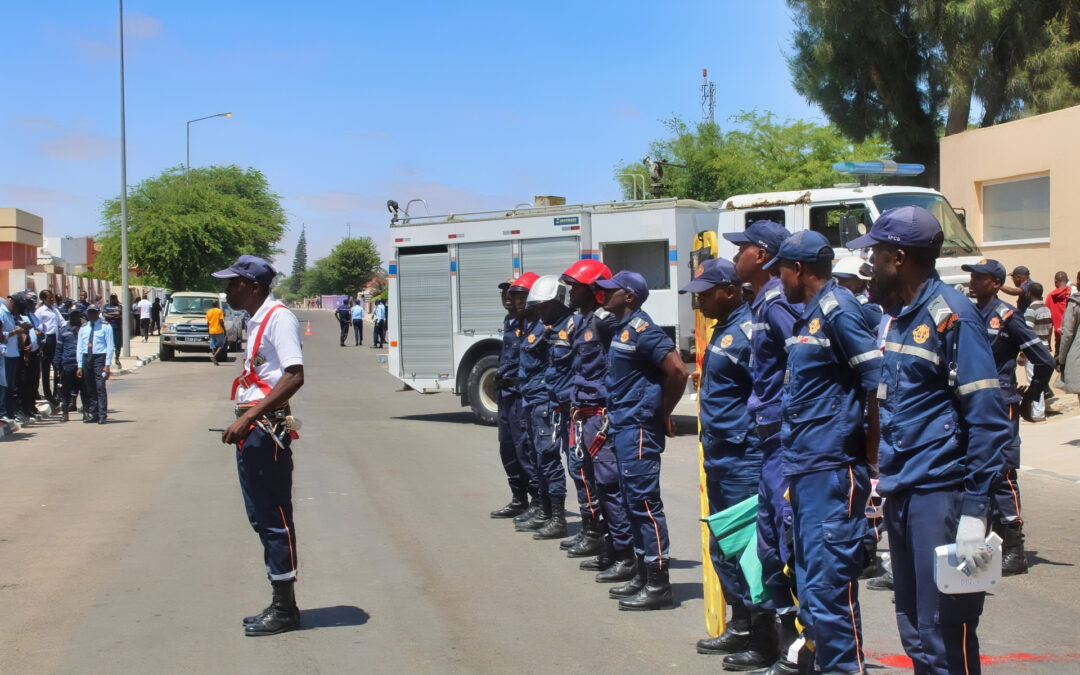
Tômbwa Fire Brigade Drills for Excellence in Safety
In a proactive effort to enhance safety protocols, the Civil Protection and Fire Brigade conducted a comprehensive exercise on Saturday in the Angola municipality of Tômbwa. The meticulously planned exercise saw the participation of various local entities, thereby underscoring the community’s commitment to emergency preparedness.
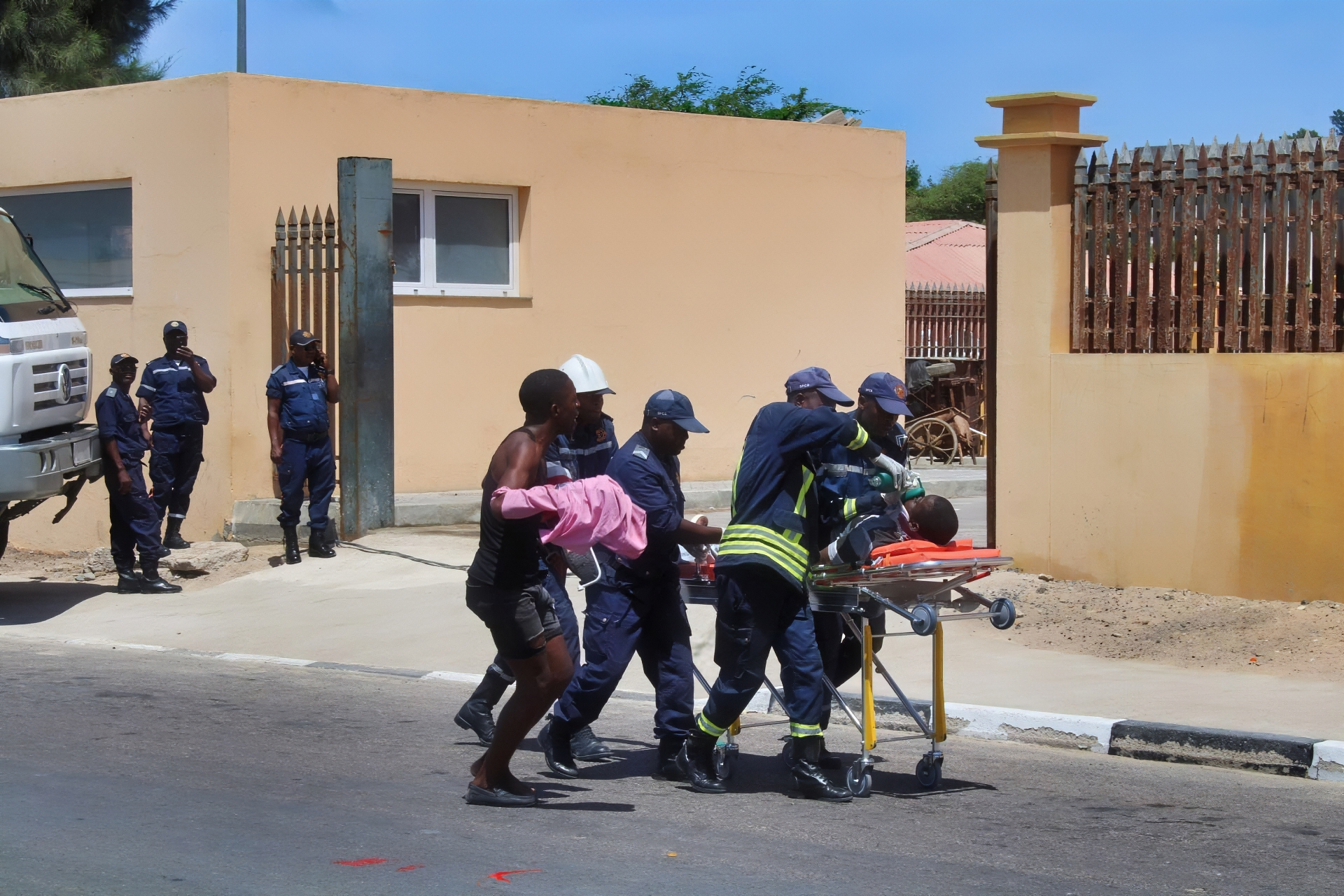
The drill was designed to simulate authentic emergency situations, thus providing a realistic training environment for the responders. A variety of fire scenarios were enacted, affording participants the opportunity to hone their abilities within a controlled setting. This included the rescue of victims, whereby responders exhibited their capacity to extract individuals from perilous circumstances in a secure and effective manner. Furthermore, the exercise included the evacuation of designated high-risk areas, thus ensuring that all participants were fully conversant with the protocols necessary for the prompt and efficient implementation of appropriate action in the event of an actual emergency.
The principal objective of this exercise was to enhance the preparedness of the troops, equipping them with the requisite experience and confidence to respond expeditiously and effectively in genuine emergency scenarios. The Civil Protection and Fire Brigade’s objective in conducting such drills is to minimise response times and improve coordination among various agencies, thereby safeguarding the lives and property of the residents of Tômbwa.
This exercise demonstrated the value of continuous training and preparedness, while also illustrating the community’s commitment to maintaining a high level of safety and resilience. The involvement of local entities served to underscore the necessity of a collaborative approach to guarantee the well-being of all residents in the event of an emergency.
Simulating Realistic Fire Scenarios
The training exercise replicated a variety of fire scenarios, thus providing a realistic training environment for the emergency responders. These scenarios were meticulously devised to mirror potential real-life emergencies, thereby ensuring that participants could practise their skills in a controlled yet challenging setting.
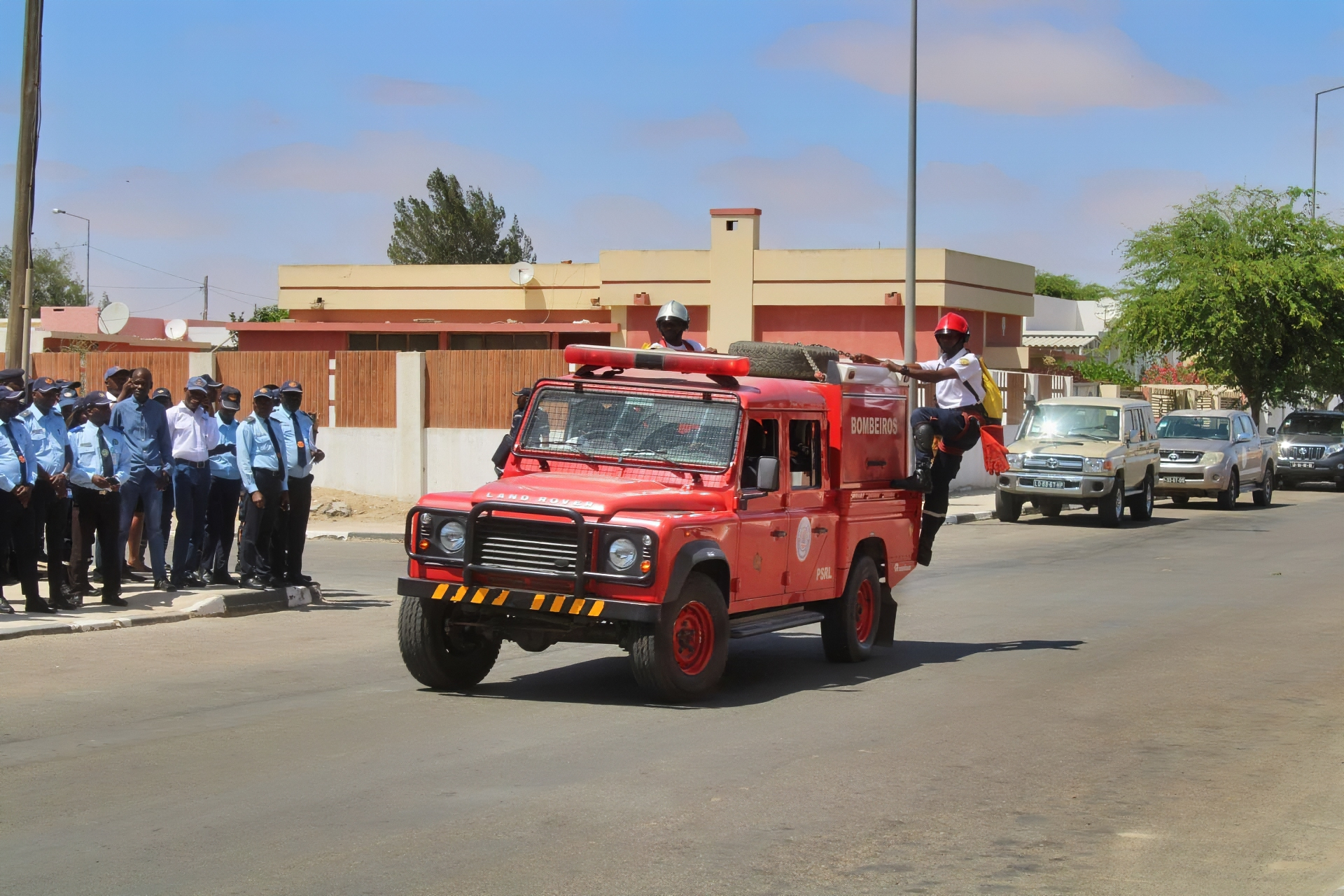
The fire scenarios encompassed a range of fire types, including residential, industrial, and wildfires. Each type of fire presented distinctive challenges and necessitated a tailored approach. The responders were required to navigate through smoke-filled environments, manage limited visibility, and deal with the intense heat, all while maintaining their composure and adhering to safety protocols.
Furthermore, the scenarios were designed to incorporate elements of unpredictability, such as sudden changes in fire behaviour and unexpected obstacles, in order to assess the adaptability and rapid decision-making abilities of the participants. This element of the drill was of great importance in evaluating the preparedness of the responders to manage the unpredictable nature of real-world emergencies.
By engaging in these realistic fire scenarios, the participants were able to refine their firefighting techniques, enhance their decision-making abilities, and cultivate confidence in their capacity to respond effectively under pressure. This comprehensive training approach guarantees that the responders are adequately prepared for any emergency situation they may be required to respond to in the future.
Victim Rescue Add Photo Gallery Operations
Those taking part in the exercise were required to demonstrate their abilities in safely extracting individuals from dangerous circumstances. This element of the exercise was of paramount importance in evaluating the efficacy of the rescue methodologies and the capability of the responders to perform under duress.
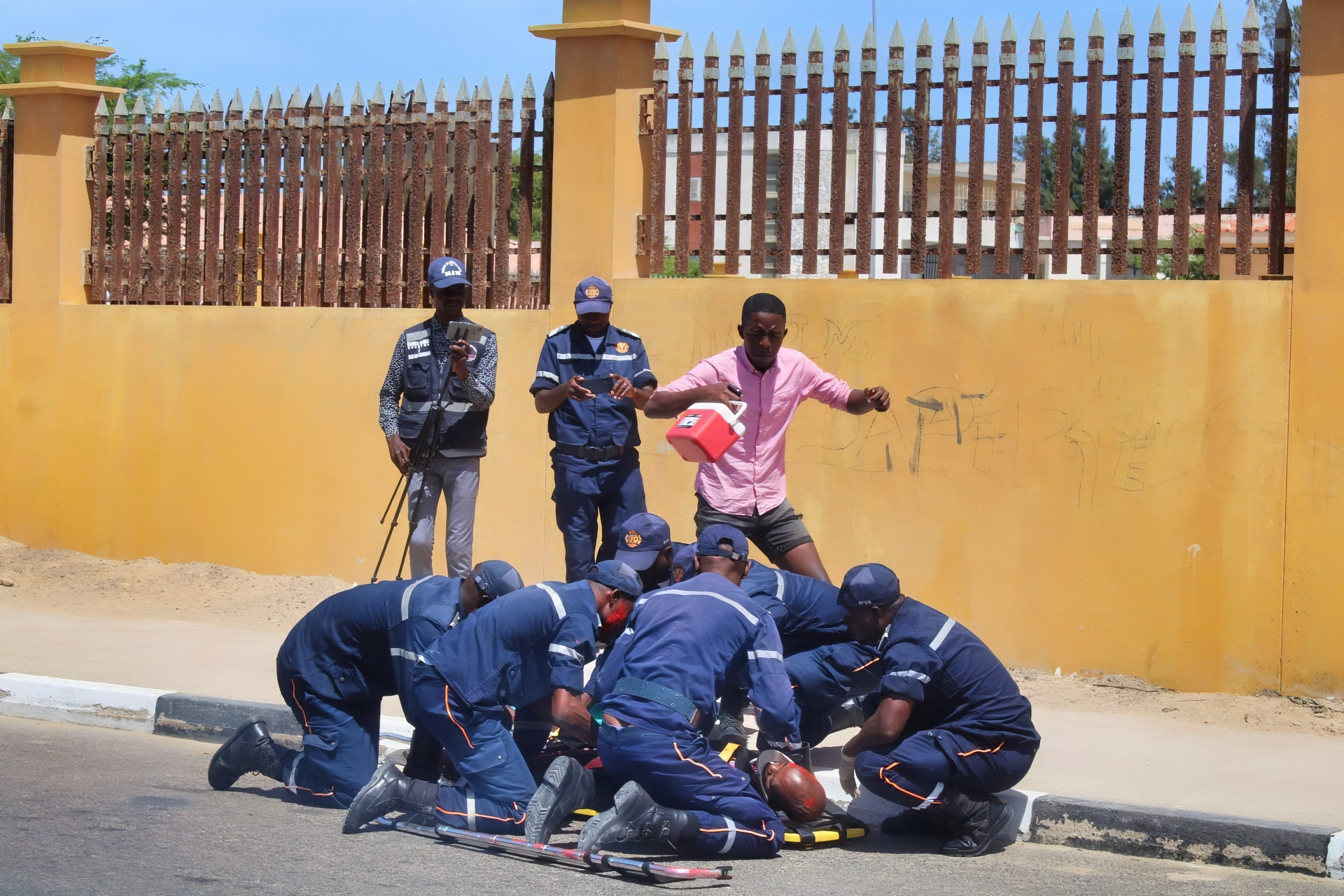
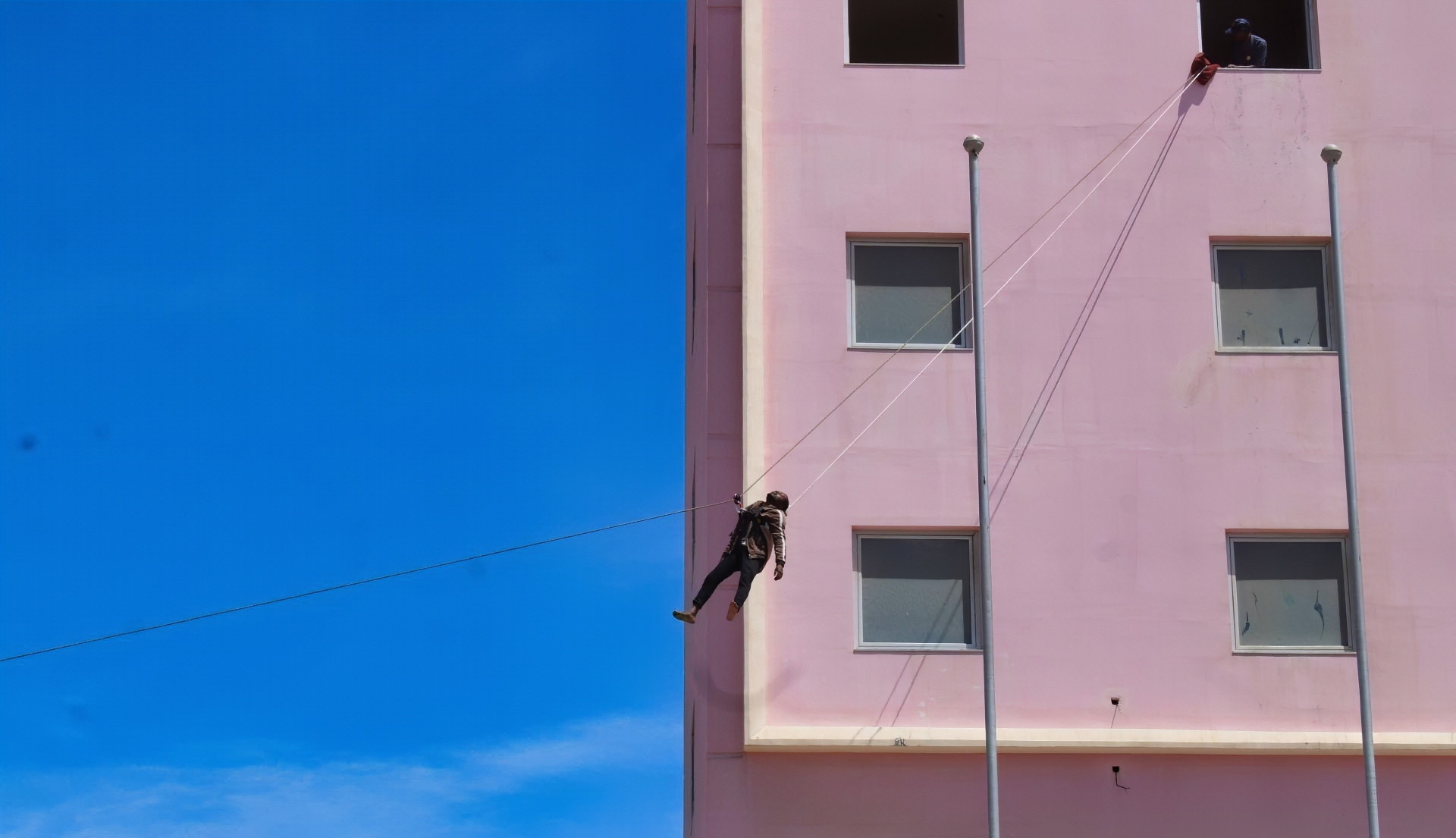
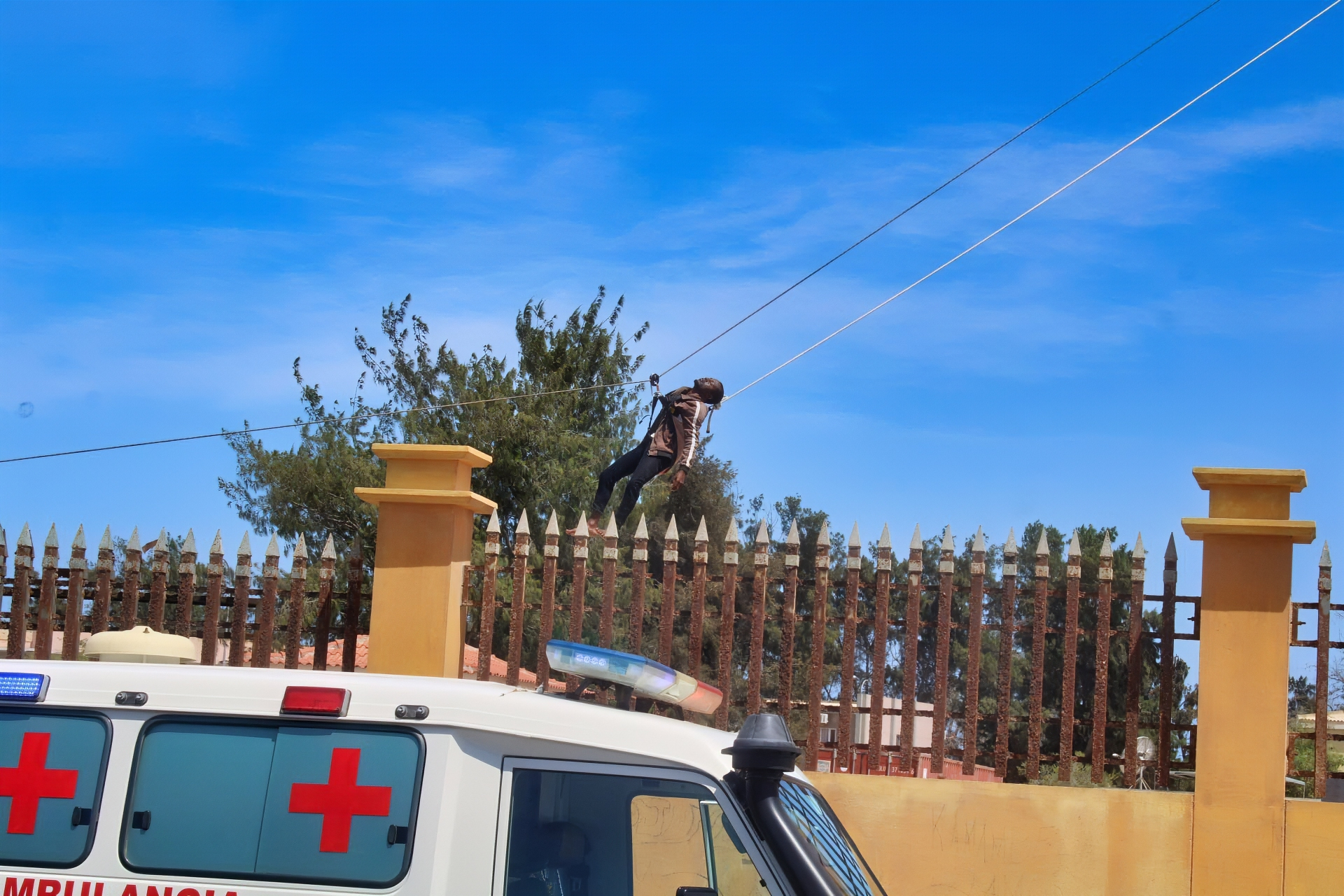
The rescue operations were designed to simulate real-life scenarios in which victims might be trapped in burning buildings, vehicles, or other dangerous environments. The responders were required to navigate through smoke-filled areas, utilise specialised equipment to reach victims, and employ a range of techniques to ensure the safe extrication of these individuals. This entailed the utilisation of thermal imaging cameras to identify victims in conditions of limited visibility, the deployment of hydraulic tools to breach obstructions, and the utilisation of ropes and harnesses for high-angle rescues.
Furthermore, the exercise offered a valuable opportunity to assess and enhance the protocols and procedures that govern victim rescue operations. By identifying any deficiencies in their approach, the Civil Protection and Fire Brigade could implement the requisite modifications to enhance their overall efficacy. It is of the utmost importance that this continuous improvement process is maintained in order to guarantee that the responders are always adequately prepared to handle any emergency situation with the requisite confidence and competence.
In conclusion, the victim rescue operations constituted a pivotal element of the drill, underscoring the indispensable competencies and coordination essential for the preservation of life in emergency scenarios. The successful execution of these operations demonstrated the preparedness and commitment of the responders to safeguard and serve their community.
Evacuations from Risk Areas
Furthermore, the exercise encompassed the evacuation of designated high-risk areas, thereby ensuring that all participants were thoroughly acquainted with the protocols essential for prompt and effective action in genuine emergencies. This component of the drill demonstrated the significance of effective coordination and prompt decision-making in emergency contexts.
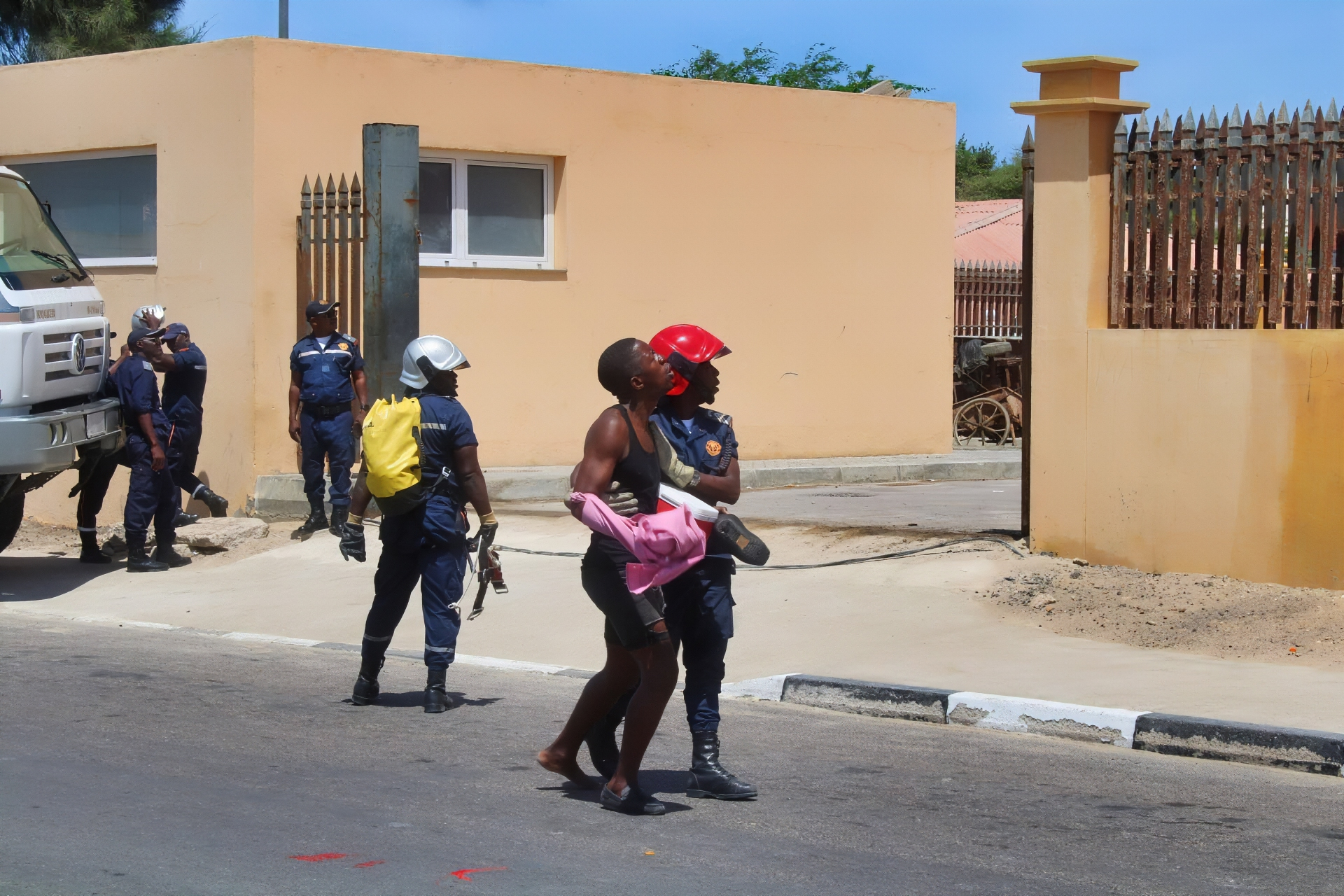
The evacuation scenarios were designed to emulate potential real-life emergencies, including fires, chemical spills and natural disasters. The participants were required to ensure the safe evacuation of individuals from high-risk areas to designated safe zones. This entailed clear communication, the efficient utilisation of evacuation routes, and adherence to safety protocols.
One of the principal objectives of the evacuation drills was to emphasise the importance of speed and efficiency. The responders were required to make rapid decisions regarding the identification of the most secure and expedient evacuation routes, taking into account the specific hazards present in each scenario. Such an approach necessitates a comprehensive grasp of the area’s layout, coupled with the capacity to adapt to evolving circumstances.
Effective coordination among the various teams was also a crucial aspect of the exercise. It was imperative that the fire brigade, medical teams and local authorities worked together in a seamless and coordinated manner to guarantee a smooth and orderly evacuation process. Such collaboration was vital for the effective management of the evacuation process, ensuring the provision of medical assistance when required and the maintenance of overall safety.
Furthermore, the drill incorporated the utilisation of emergency communication systems to facilitate the expeditious and precise dissemination of information. This ensured that all participants were cognizant of the prevailing circumstances and could respond in an appropriate manner. The capacity to communicate efficaciously in high-pressure situations is of paramount importance in genuine emergencies, where the prompt dissemination of information can have a substantial impact on the eventual outcome.
The objective of these evacuation drills, as outlined by the Civil Protection and Fire Brigade, is to enhance the preparedness of all involved parties, ensuring that they are capable of executing swift and effective evacuations in actual emergency situations. Such a proactive approach not only enhances the safety of the community but also fosters confidence in the responders’ capacity to effectively address crises.
Enhancing Readiness and Confidence
The principal objective of this training exercise was to enhance the preparedness of the troops, equipping them with the requisite experience and confidence to respond expeditiously and effectively in actual emergency situations. The Civil Protection and Fire Brigade intend to reduce response times and enhance inter-agency coordination by conducting such drills.

The drill offered a valuable opportunity for the troops to practise and refine their skills in a controlled setting. The participants were confronted with a series of challenging scenarios, each designed to test their ability to respond effectively under pressure. Such practical experience is vital in developing the confidence and competence required to effectively respond to real-life emergencies.
One of the principal advantages of these drills is the enhancement of response times. By engaging in repeated practice of their procedures, the troops are able to identify and eliminate any inefficiencies in their approach. Such training results in more rapid and efficacious responses when actual emergencies occur, which may result in the saving of lives and a reduction in damage.
Furthermore, the drills facilitate enhanced coordination among the various agencies engaged in emergency response. Effective communication and collaboration are essential for the effective management of complex situations. These exercises provide a platform for different teams to work together, enabling them to gain a deeper understanding of each other’s roles and responsibilities. This enhanced coordination ensures a more unified and efficient response in the event of a real emergency.
Furthermore, the drills provide an opportunity to evaluate and update emergency protocols. By simulating a variety of scenarios, the Civil Protection and Fire Brigade can identify any deficiencies or shortcomings in their current procedures and implement the necessary modifications. This continuous improvement process is of vital importance in maintaining a high level of preparedness and ensuring that the troops are always ready to respond effectively.
The emphasis on improving preparedness and instilling confidence through these drills demonstrates the Civil Protection and Fire Brigade’s dedication to the protection of the community. By allocating resources to regular training and preparedness exercises, the Civil Protection and Fire Brigade is better positioned to protect lives and property in the event of an emergency.

In conclusion, these endeavours are ultimately aimed at ensuring the protection of the lives and property of the residents of Tômbwa. The successful execution of this drill serves to illustrate the vital importance of continuous training and preparedness in enhancing community safety and resilience.
The regular conduct of such comprehensive drills serves to demonstrate the unwavering commitment of the Civil Protection and Fire Brigade to the well-being of the community. Such exercises serve to prepare responders for a multitude of potential emergency scenarios, whilst simultaneously fostering a culture of vigilance and readiness amongst the local entities involved.

The provision of continuous training ensures that all participants remain up to date with the latest techniques and protocols, thereby enabling them to respond effectively to any crisis. This proactive approach to emergency preparedness contributes to the development of a resilient community, enabling it to withstand and recover from adverse situations in a more efficient manner.

Furthermore, these drills provide an invaluable opportunity for different agencies to collaborate and refine their coordination. Effective communication and teamwork are of paramount importance in managing emergencies. These exercises facilitate the strengthening of the bonds between various entities, ensuring a unified and efficient response when it matters most.
The dedication to continuous training and preparedness is a testament to the Civil Protection and Fire Brigade’s commitment to protecting the residents of Tômbwa. By investing in these efforts, they are not only enhancing their own capabilities but also contributing to the overall safety and resilience of the community.
Joram Ngola

- Discover Malanje: Angola’s Hidden Gem of Natural Wonders and Cultural Riches - February 5, 2025
- Angola and Tanzania Strengthen Defense Cooperation: Minister of Defense Visits Ruvu Camp - January 10, 2025
- Celebration of the 33rd Anniversary of the Angola National Army - December 28, 2024
