

Historic Visit: Biden’s Angola Trip Addresses Lobito Corridor, Slavery Legacy, and Economic Development
The visit of Joe Biden to Angola represents a significant milestone, marking the first official visit by a head of state from North America to the country. It is anticipated that the visit will address a number of critical issues, including the Lobito Corridor, health, food security and agribusiness.

The majority of Angolans perceive President Biden’s visit as a further act of exploitation by the country’s ruling elite. It is commonly held that high-profile visits and projects are primarily driven by the interests of the ruling elite and their foreign partners, rather than by the needs of the people.

In order to address these concerns, it is essential to demonstrate a commitment to transparency, accountability, and the implementation of inclusive development policies that prioritise the well-being of the local population.
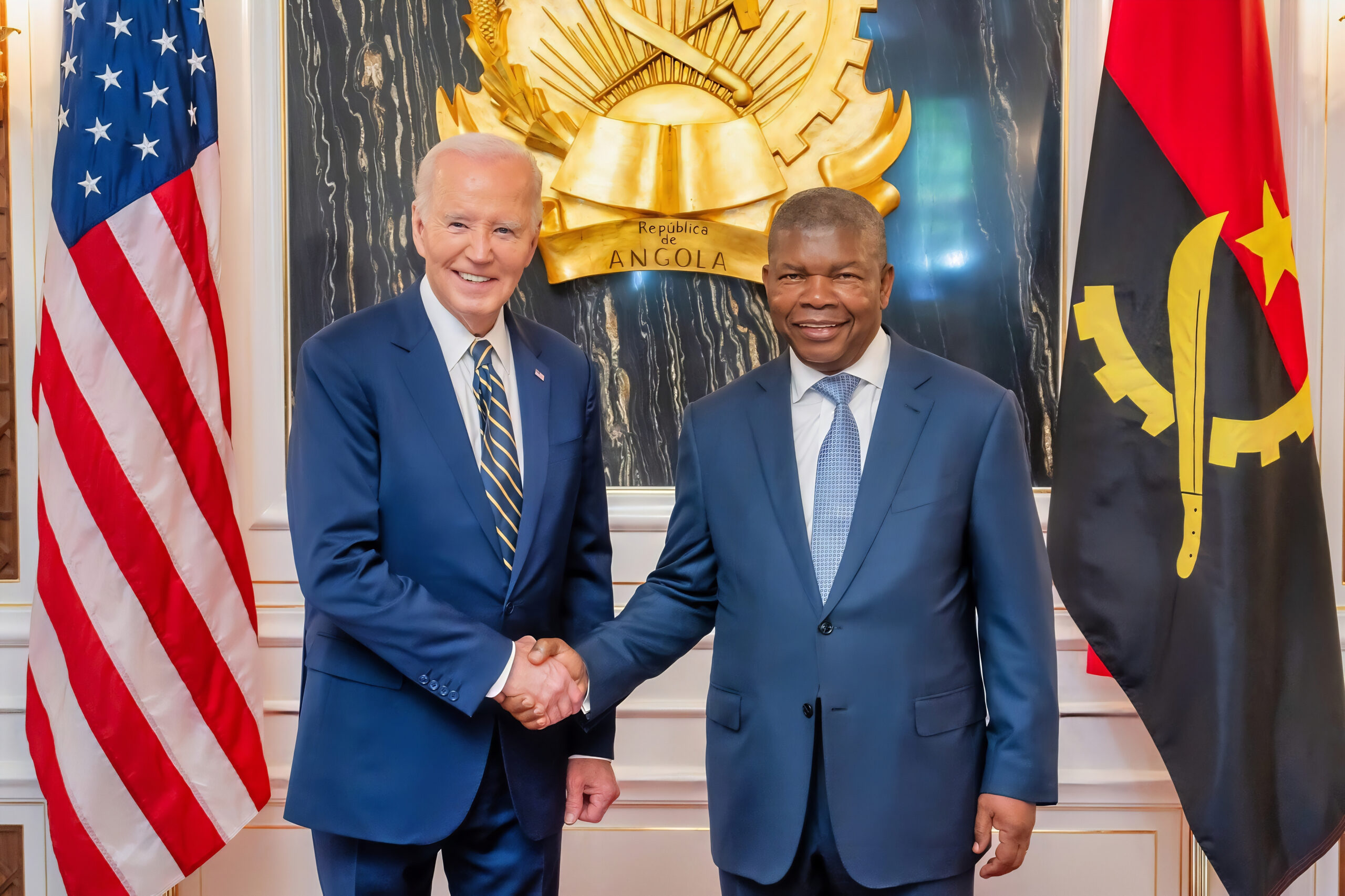
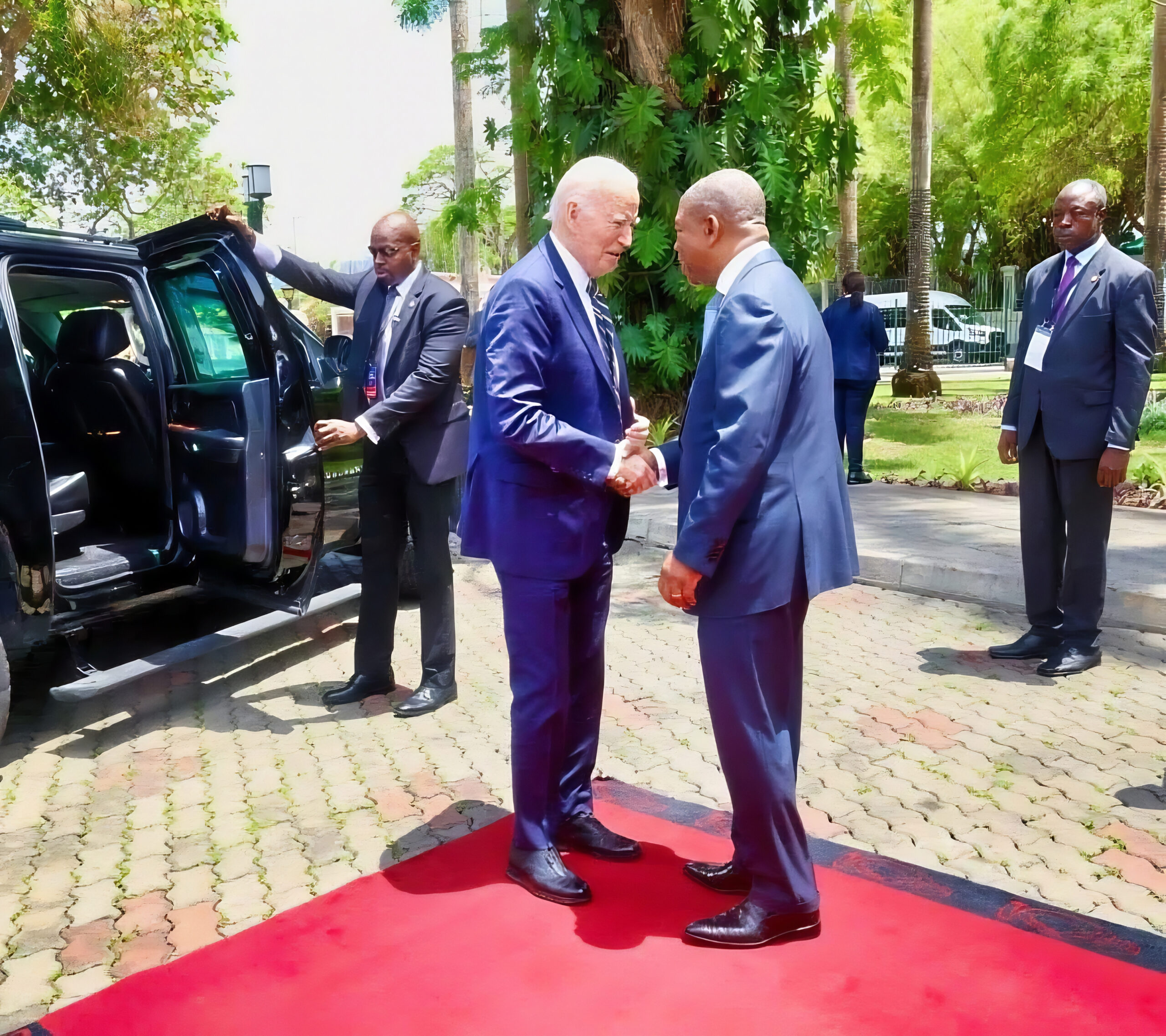
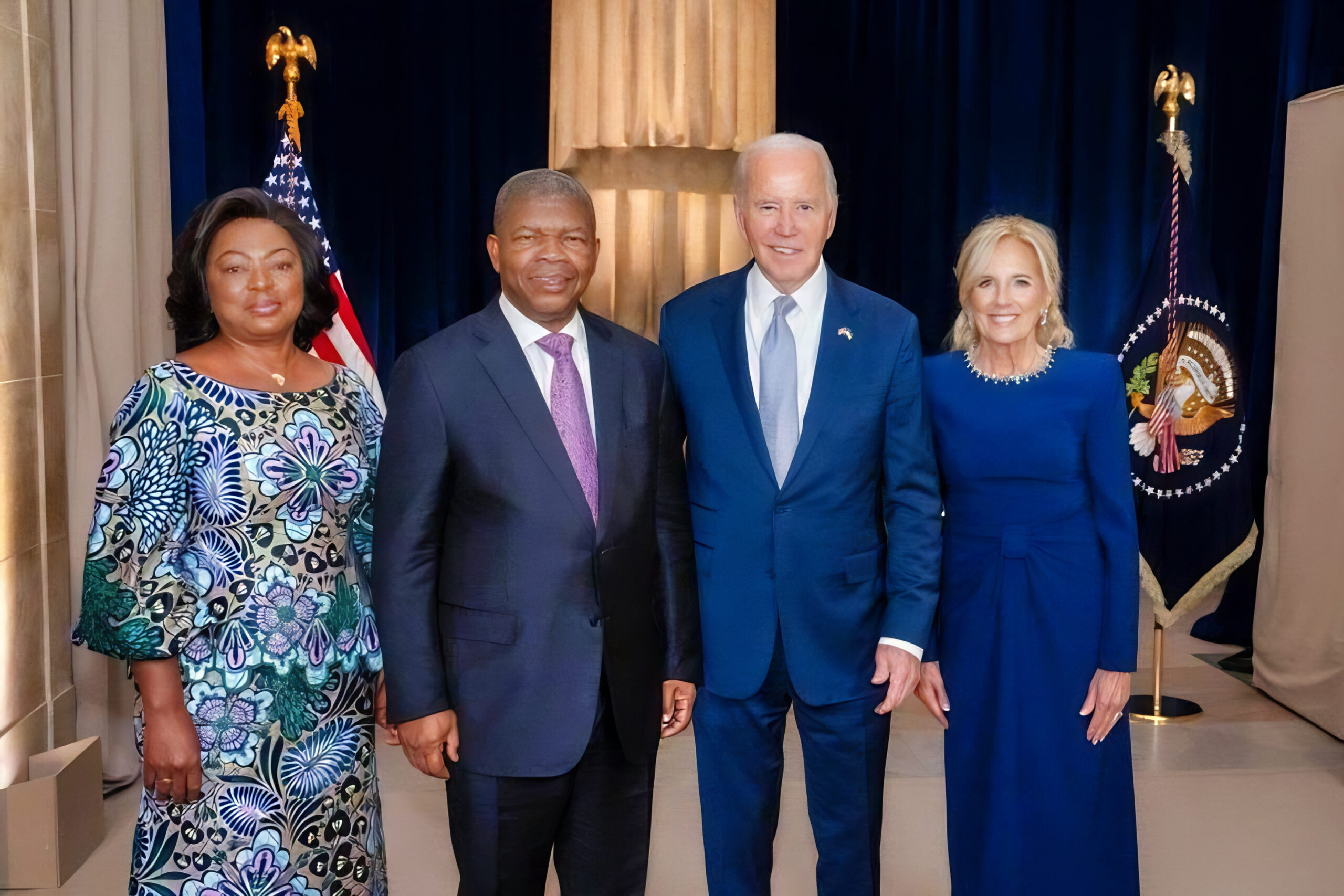
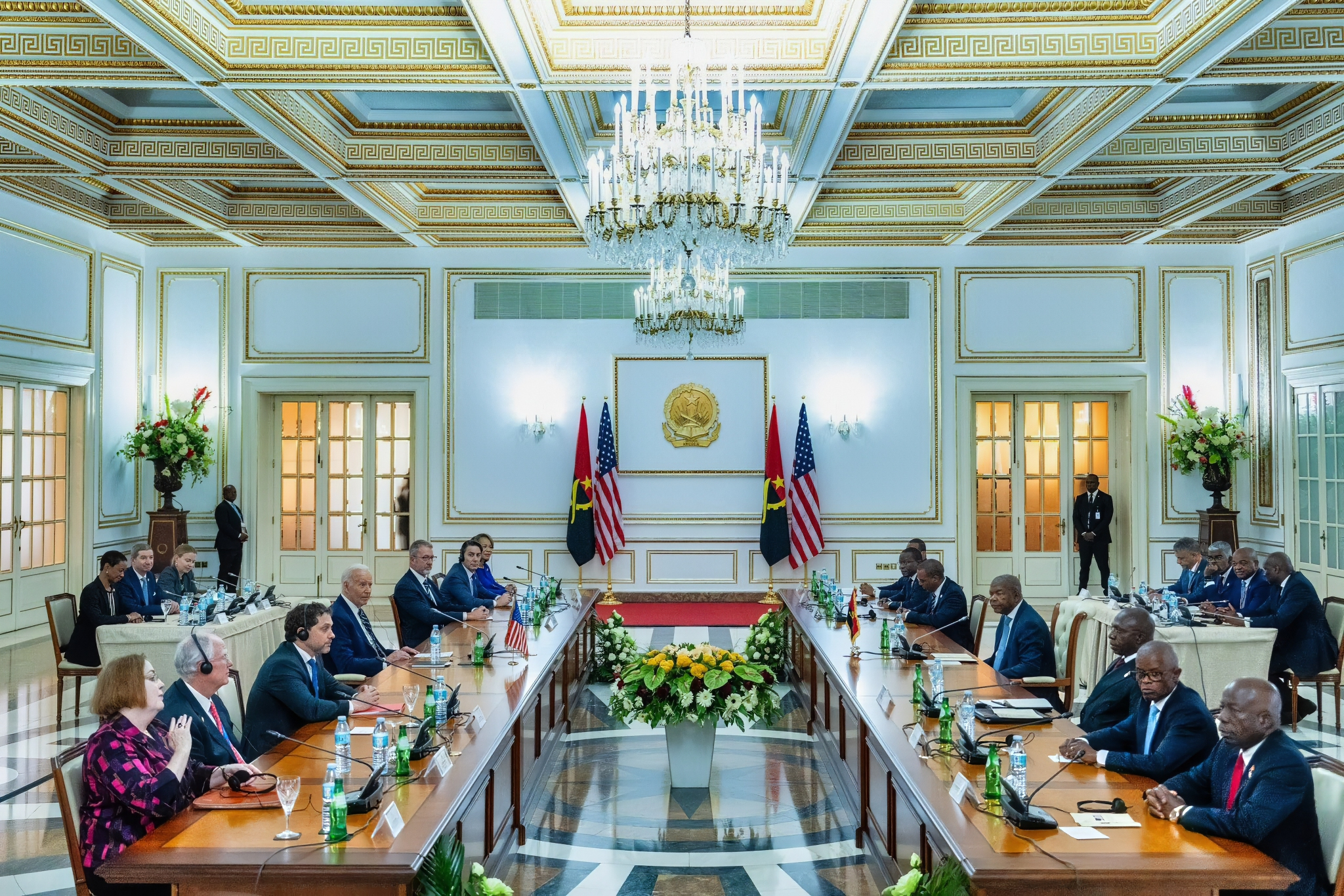
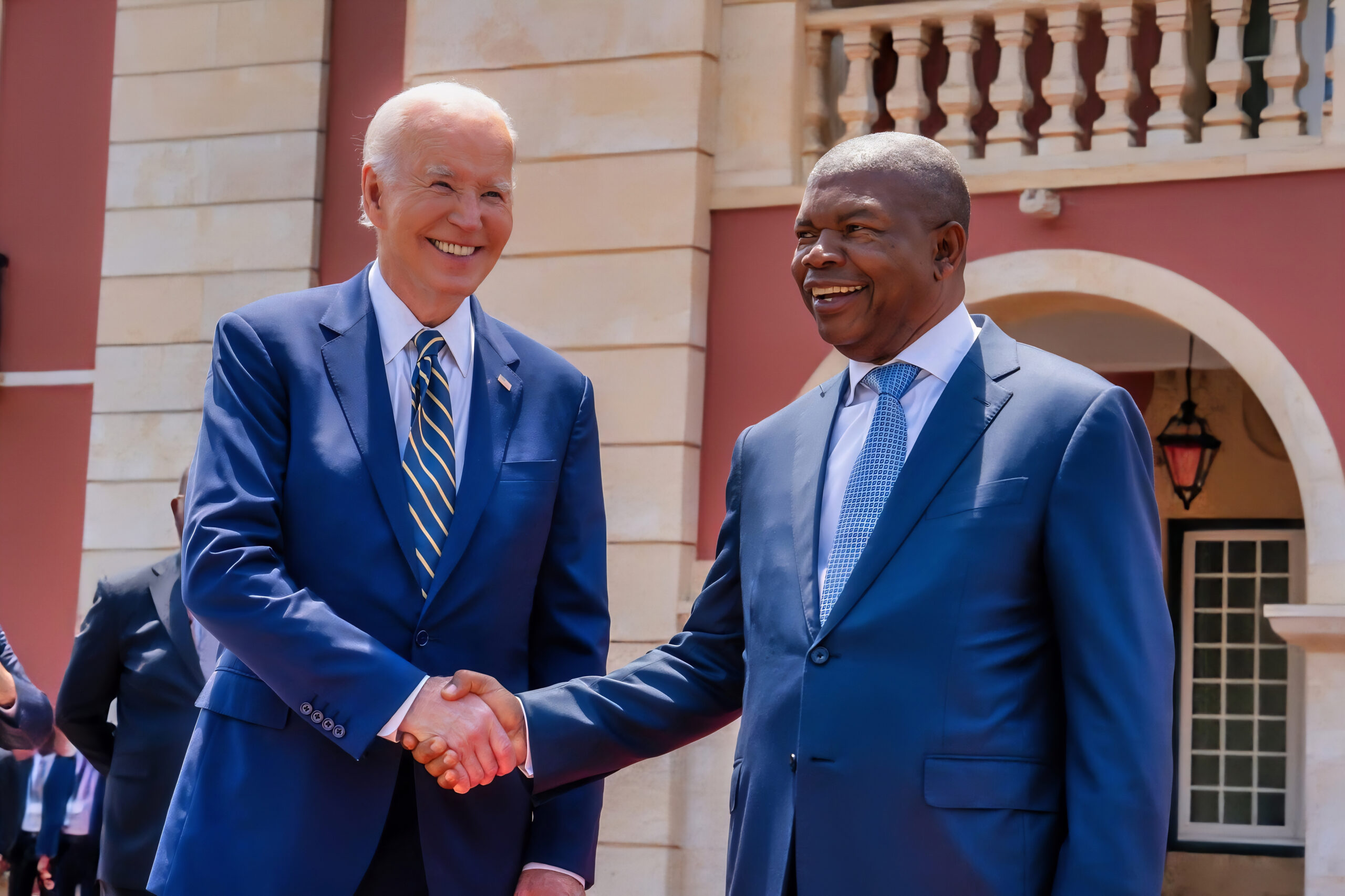
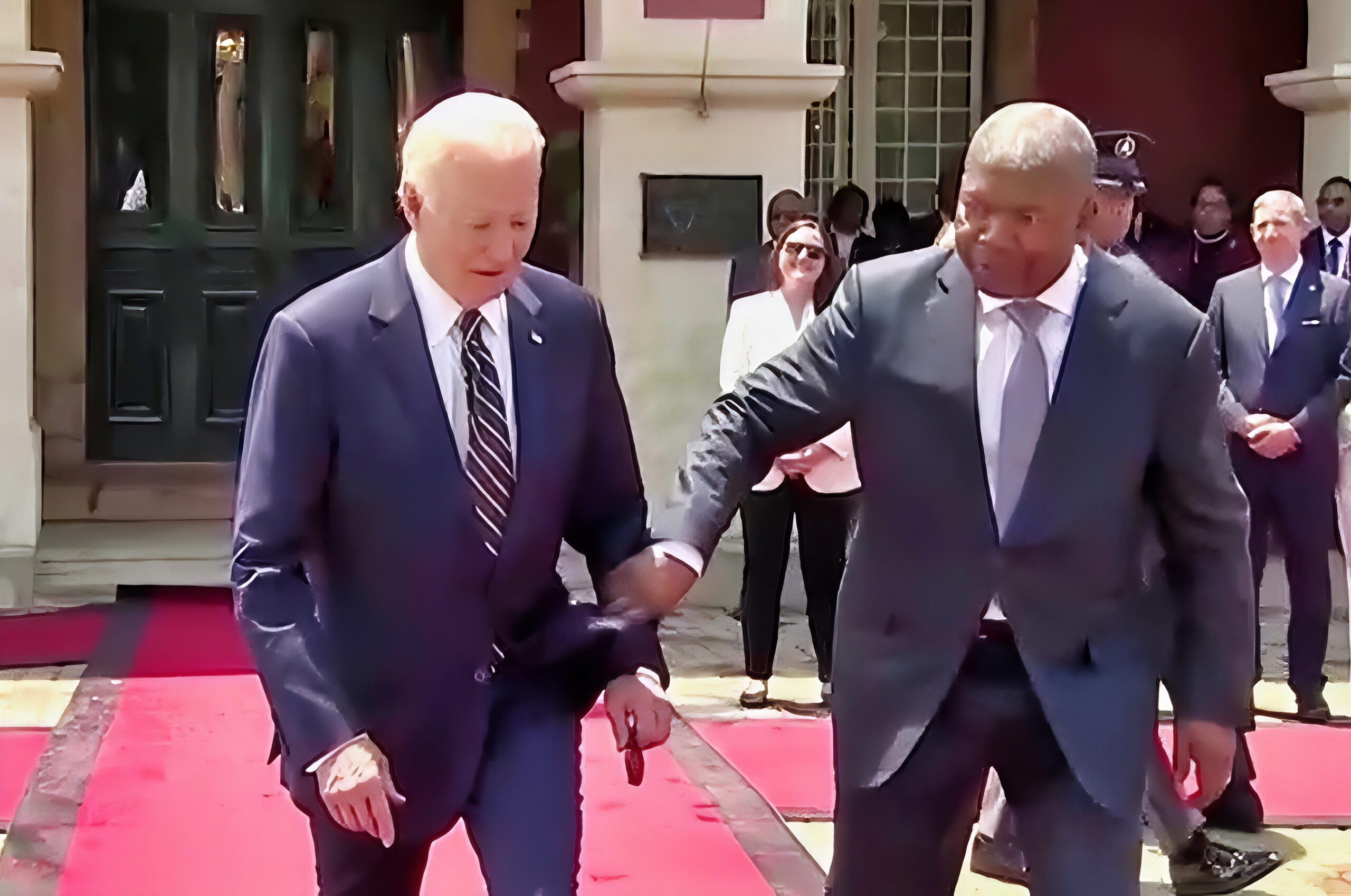
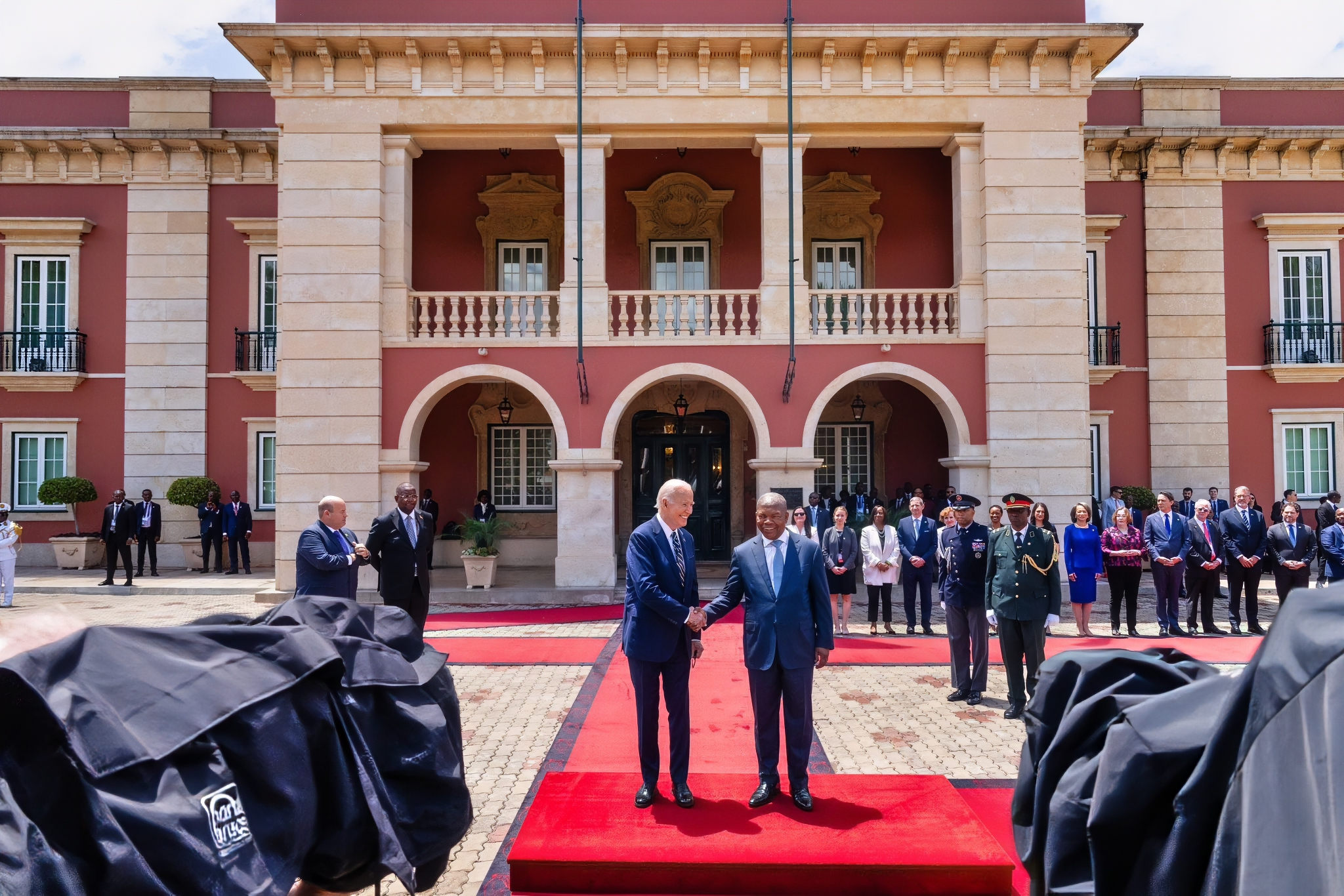
In a meeting with his Angolan counterpart, Joao Lourenco, in Luanda on Tuesday, Joe Biden, the President of the United States, made a pledge to maintain a long-term and active U.S. engagement with Africa. This pledge was made as part of his inaugural and only visit to sub-Saharan Africa during his tenure.
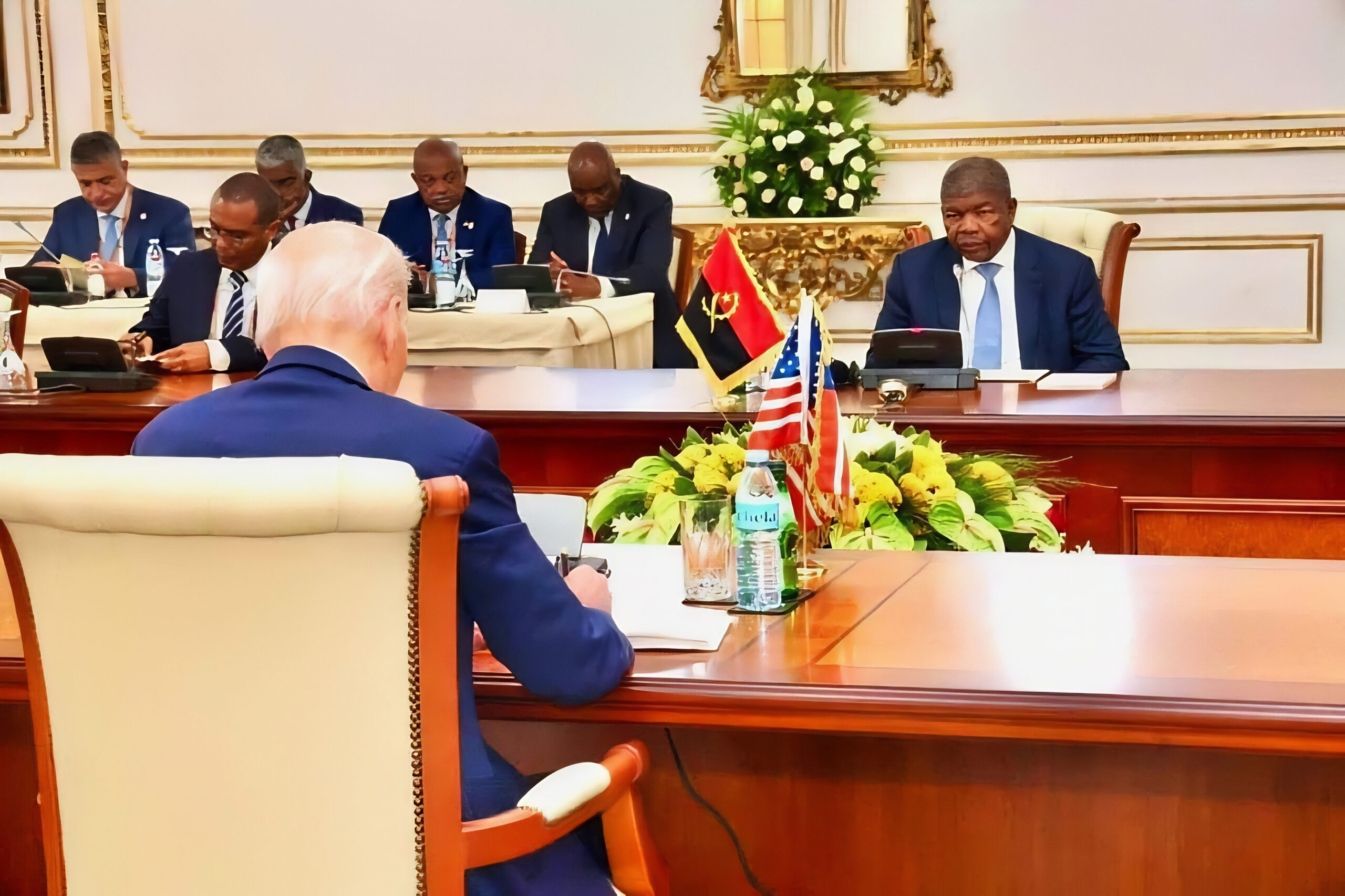
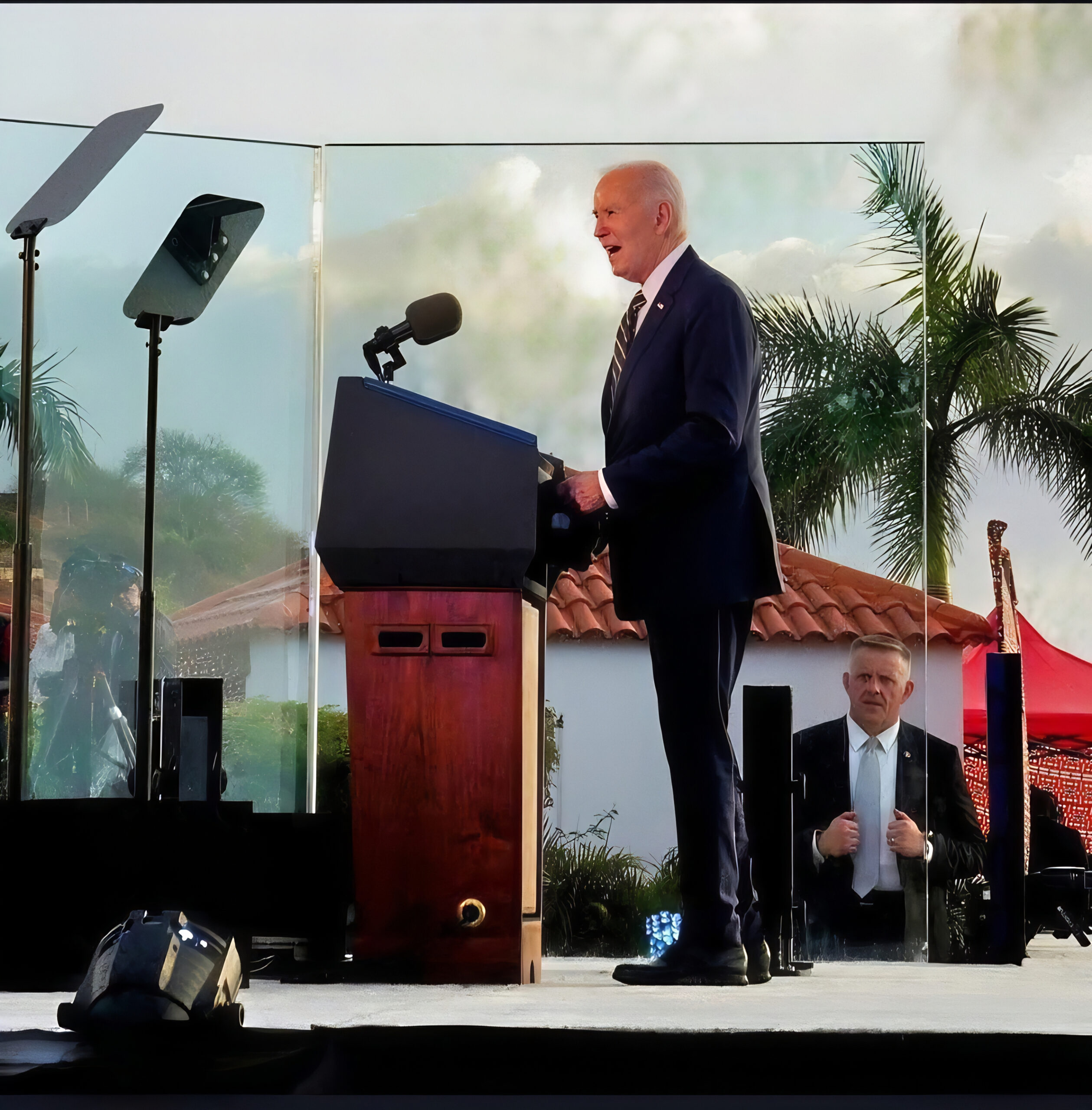
In his brief remarks at the presidential palace, Biden pledged to engage with Africa on its own terms on a lasting basis. He stated that the United States was “fully committed to Africa,” reiterating a phrase he had previously employed during a U.S.-Africa summit in Washington in December 2022.
“It is important to understand the extent of our willingness to engage,” Biden stated prior to a private meeting with Lourenço. “We do not presume to possess all the answers, but we are prepared to listen to your responses to the challenges you face.”
Biden’s eleventh-hour visit, which took place in the final days of his presidency, was intended to fulfil a pledge to visit the continent during his term, which is scheduled to conclude in January. He had initially indicated that he would undertake the visit in 2023.
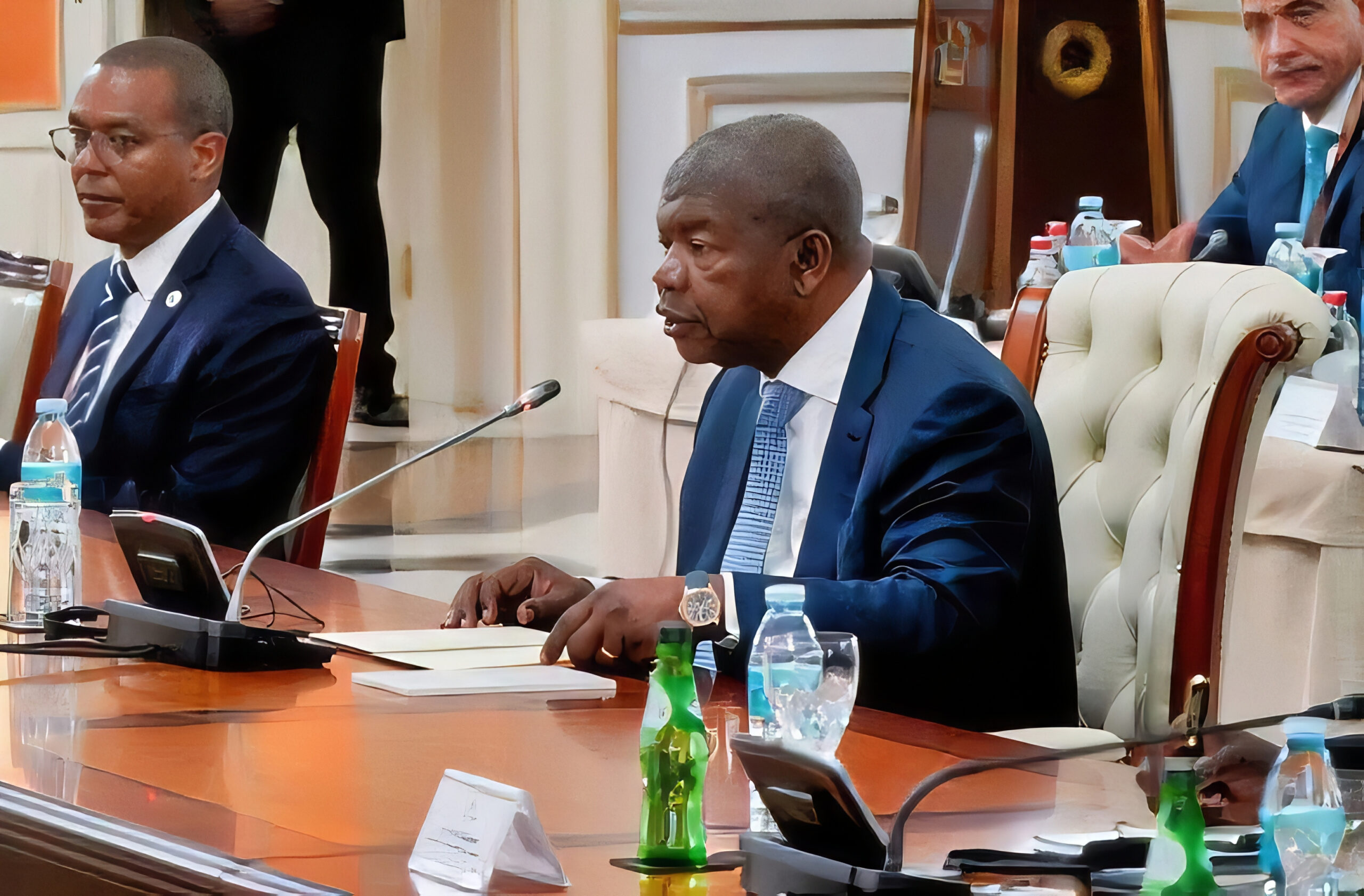
Lourenço stated that Angola aspires to collaborate with the United States to attract foreign investment and enhance defence and security relations, encompassing joint military exercises and cooperation in the Gulf of Guinea and South Atlantic.
Additionally, he commended the contributions of U.S. enterprises in Angola’s oil and gas industry, as well as their involvement in prospective initiatives such as grain silos and logistics infrastructure.
“We aim to transcend the limitations of the Cold War era, where our interests were not always aligned, and establish a new era of cooperation between our two nations,” he stated.
Arrival in Luanda
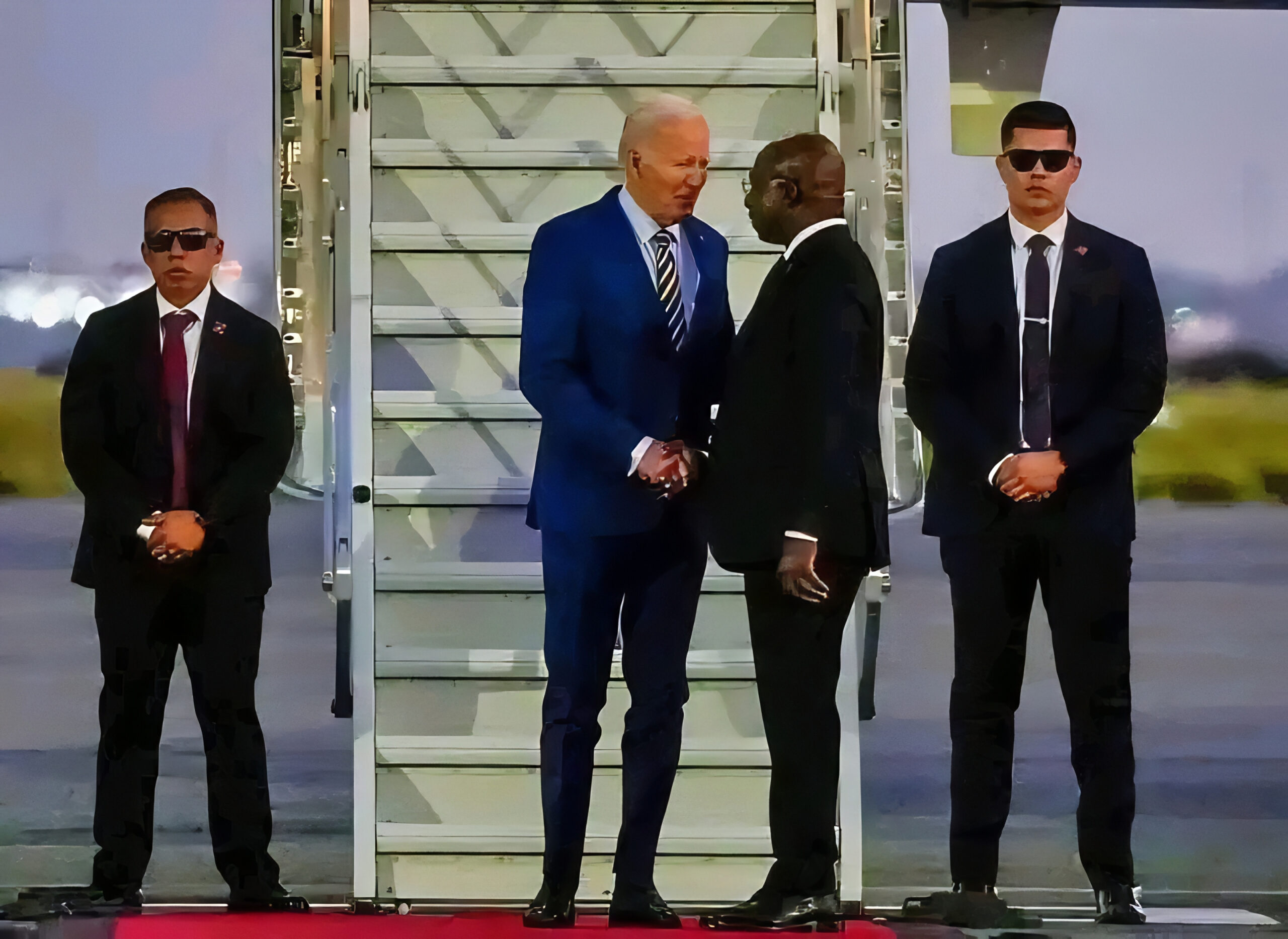
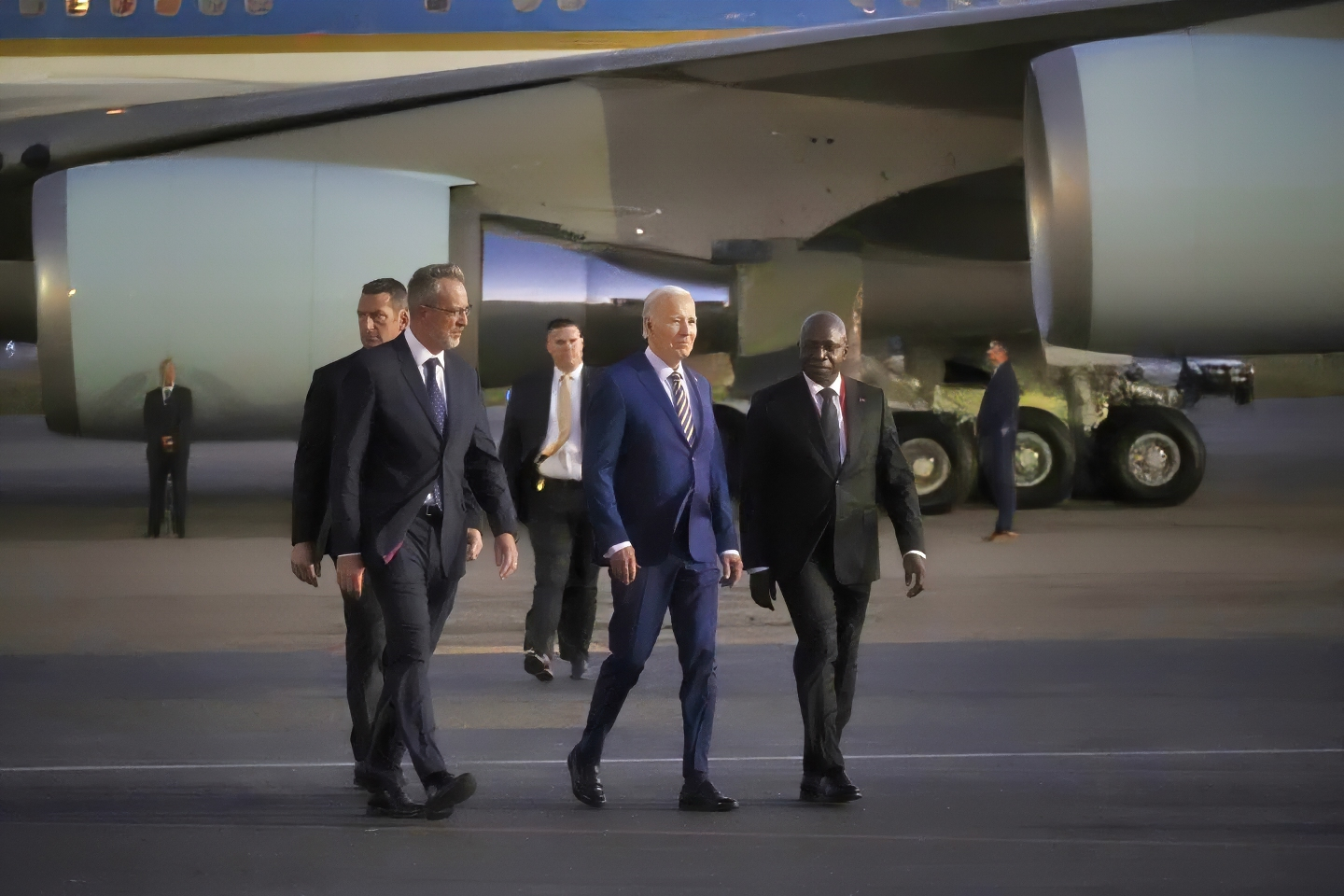
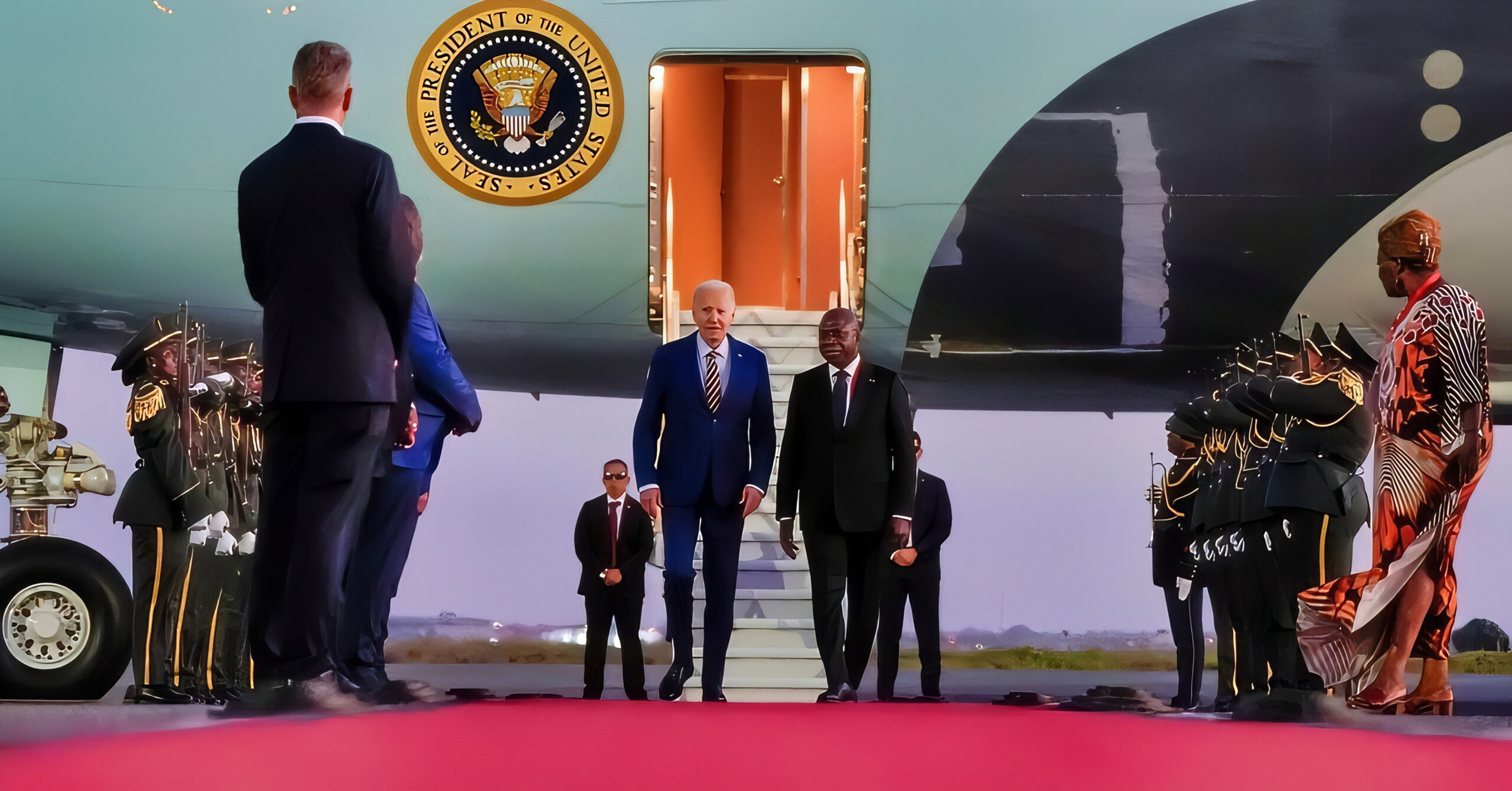
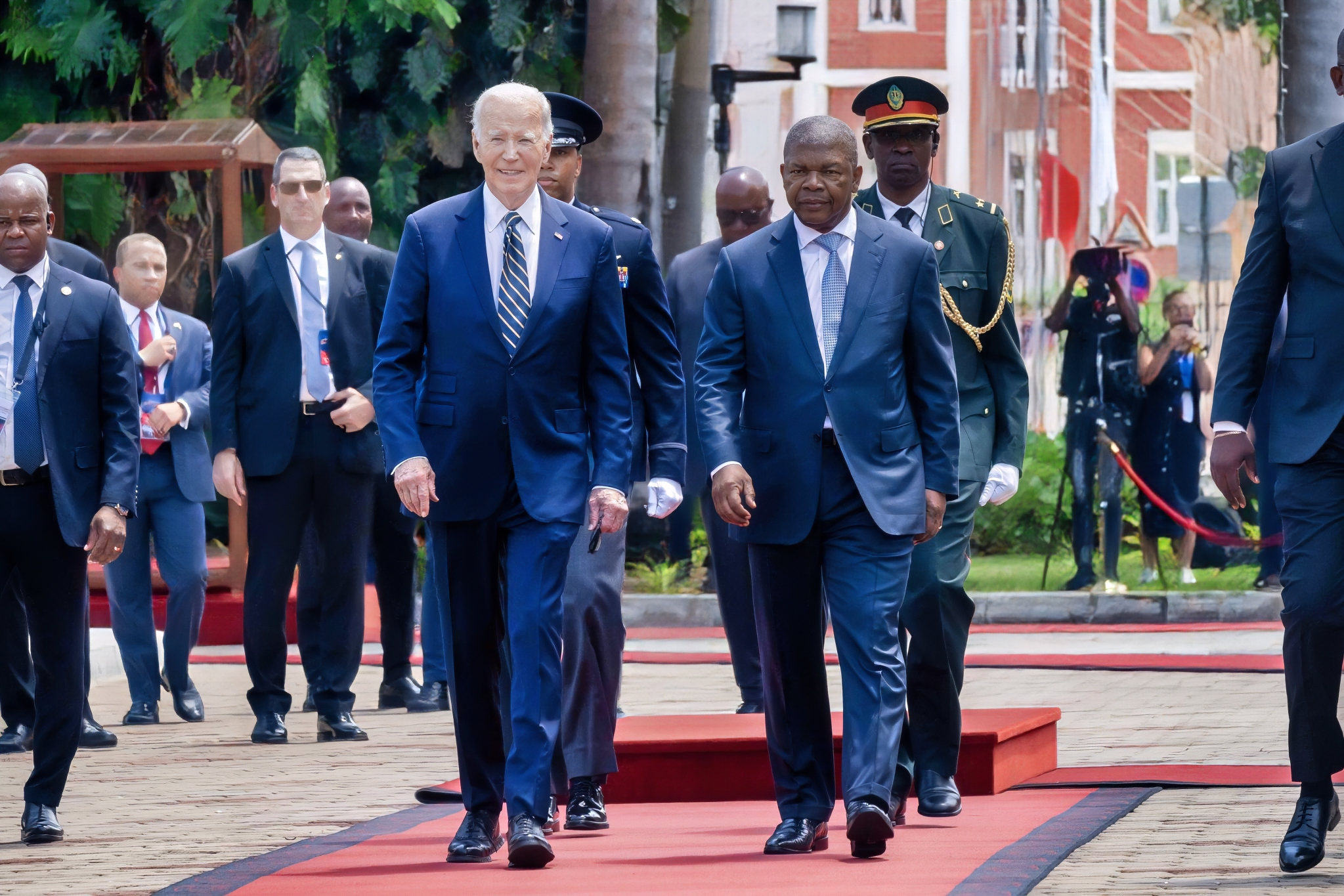
At 18:00 local time, Joe Biden, President of the United States, arrived in Luanda, Angola. This marks a pivotal moment in the bilateral relationship between the United States and Angola, with this being the inaugural official visit by a head of state from North America to the country.
Press Access at the International Airport
Please be advised that on 4 December, the International Airport will be accessible to members of the press, with the arrival scheduled for 6:15 p.m. The President will address the staff and family members of the U.S. Embassy, emphasising the significance of diplomatic relations.
Official Arrival Ceremony
On Tuesday 3 December 2024, Joe Biden will take part in an official arrival ceremony. This event will set the stage for a series of important meetings and engagements during his visit.
Bilateral Meeting with João Lourenço
The US leader will hold a bilateral meeting with his Angolan counterpart, President João Lourenço. The meeting is aimed at strengthening ties and discussing key issues affecting both nations.
Speech at the National Slavery Museum
President Biden will speak at the National Slavery Museum. The site is historically significant as it includes a 17th century chapel where enslaved people were forcibly baptised before being sent to America.
Journey to Lobito
On Wednesday, 4 December 2024, Joseph R. Biden Jr, the 46th President of the United States, will make an important visit to Angola. This visit is part of a broader effort to strengthen US-Angolan relations and address key issues affecting the country.
Observing Operations at the Port of Lobito Terminal
During his visit, President Biden will observe operations at the Port of Lobito Terminal. The Port of Lobito is a key infrastructure project that plays a vital role in Angola’s economy. It serves as a major hub for the export of minerals and other goods, connecting Angola to international markets. By observing operations, Biden aims to understand the challenges and opportunities associated with this key infrastructure.
Touring the Food Cart Processing Factory
In addition to the Port of Lobito, President Biden will visit the Food Cart Processing Factory. This factory is an important part of Angola’s agribusiness sector, contributing to food security and economic development. The tour will provide insight into the factory’s operations, production processes, and its role in supporting local agriculture.
Importance of Economic Development and Infrastructure
These visits underline the importance of economic development and infrastructure in Angola. Improved infrastructure can increase trade, create jobs and stimulate economic growth. However, despite the potential for economic growth, the Angolan people remain impoverished and vulnerable due to systemic problems.
Challenges of Corruption and Misappropriation
One of Angola’s greatest challenges is the widespread corruption and embezzlement of public funds by politicians and their foreign accomplices. Corruption undermines economic development, erodes public confidence and exacerbates poverty. Tackling these issues is crucial to ensuring that the benefits of economic growth reach all Angolans.
U.S. Support and Commitment
President Biden’s visit underscores the United States’ commitment to supporting Angola’s development and addressing these challenges. By fostering a stronger bilateral relationship and promoting transparency and accountability, the United States aims to contribute to Angola’s progress and the well-being of its people.
On Wednesday, 4 December, President Joe Biden will participate in the Lobito Trans-African Corridor Summit. The summit will focus on the development of the Lobito Corridor, a major rail infrastructure project that will connect Angola to the mineral-rich areas of the Democratic Republic of Congo (DRC) and Zambia. The Lobito Corridor is envisioned as Africa’s first open-access transcontinental rail network, linking the Atlantic Ocean to the Indian Ocean.
The Promise of Development
The Lobito Corridor project is often touted as a major step towards economic development and regional integration. By improving transport infrastructure, the project aims to facilitate trade, stimulate economic growth and create jobs in Angola and neighbouring countries.
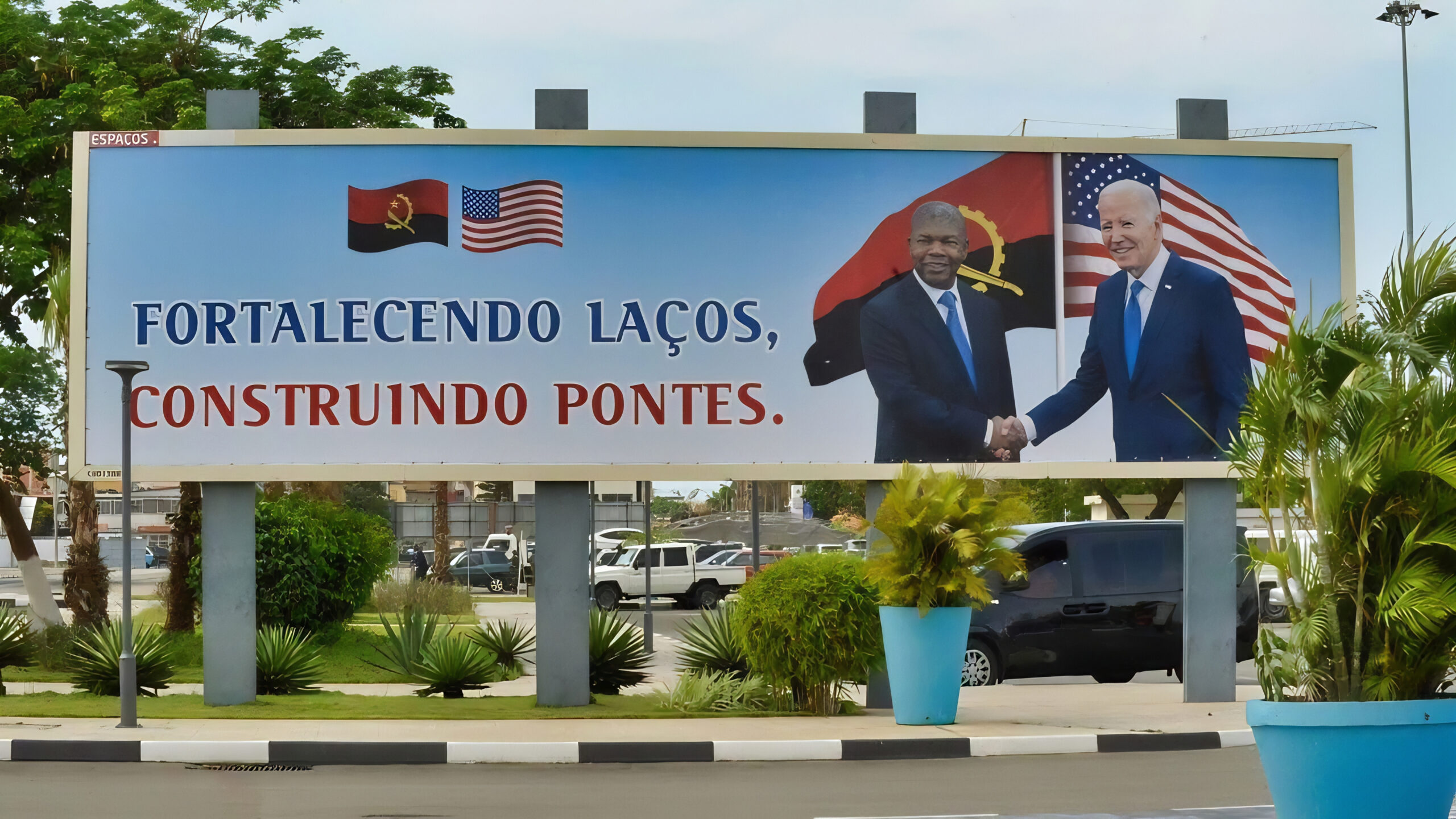
Improved connectivity is expected to attract investment and promote industrialisation, contributing to the overall development of the region.
The Reality of Exploitation
But the reality on the ground tells a different story. Despite the potential for economic growth, the benefits of such projects often fail to reach the local population. Instead, the profits from these mineral-rich areas are often siphoned off by corrupt politicians and their foreign partners. This exploitation perpetuates a cycle of poverty and inequality, leaving the Angolan people impoverished and vulnerable.
Corruption and Misappropriation in Angola
Corruption remains a pervasive and deeply entrenched problem in Angola, significantly affecting the country’s development and the well-being of its citizens. The widespread embezzlement of resources and profits by government officials and their foreign accomplices has far-reaching consequences.
Diversion of Public Funds
Government officials in Angola often divert funds intended for public welfare and development into their own pockets. This misappropriation of resources means that money meant to build schools, hospitals, roads and other essential infrastructure is instead used to enrich a few.
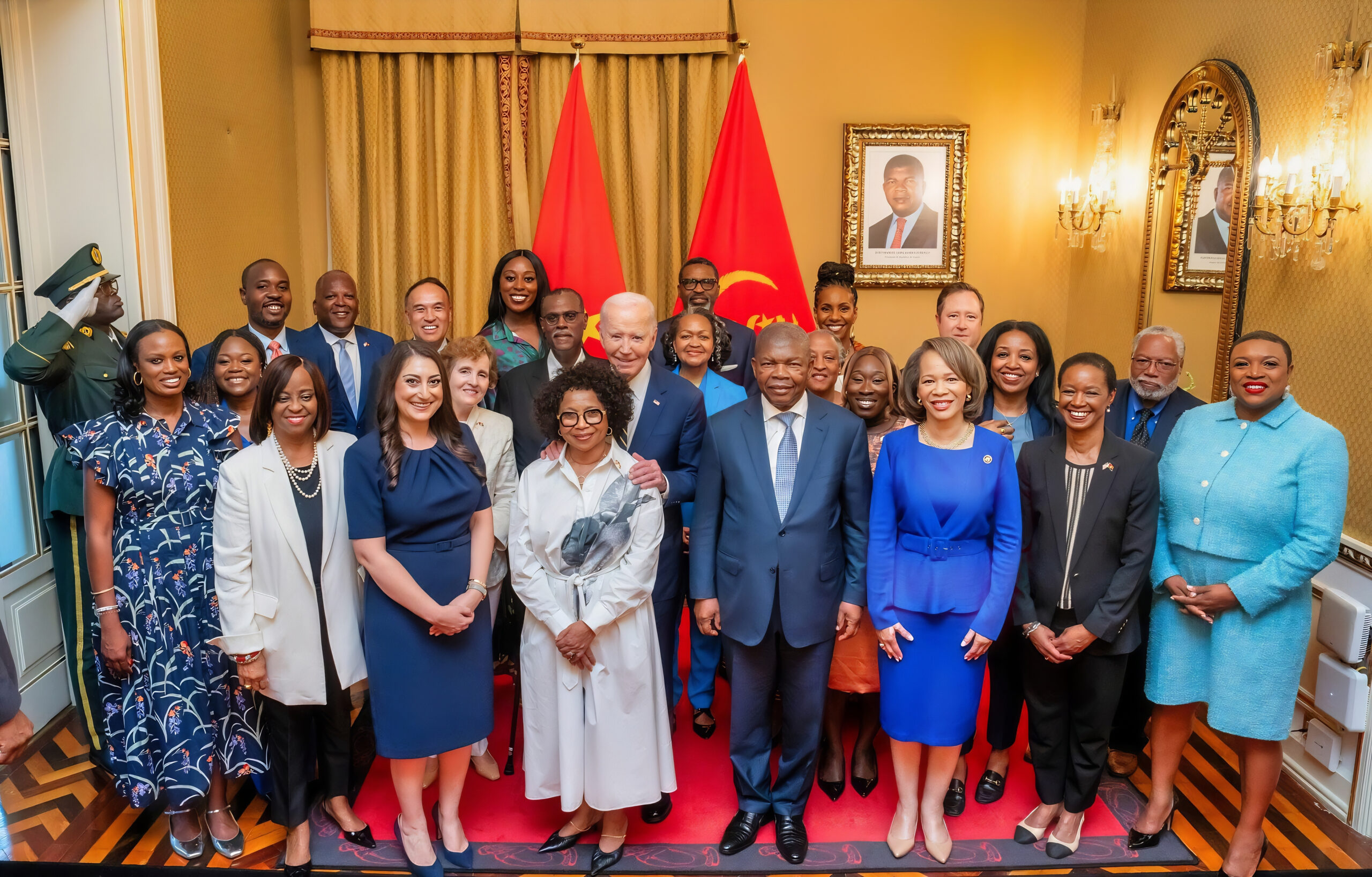
This diversion of funds not only hampers development, but also undermines public confidence in government institutions.
Impact on Infrastructure and Services
Systemic corruption in Angola undermines efforts to improve infrastructure and provide basic services to the population. Projects that could improve the quality of life for Angolans, such as clean water, electricity and health facilities, are often left incomplete or poorly executed due to the misallocation of funds. This lack of infrastructure and services perpetuates poverty and limits opportunities for economic growth.
Foreign Accomplices
Foreign partners and multinational companies often play a role in the corruption and exploitation of Angola’s resources. These companies may collude with local officials to secure lucrative contracts and access to natural resources, often at the expense of the local population.
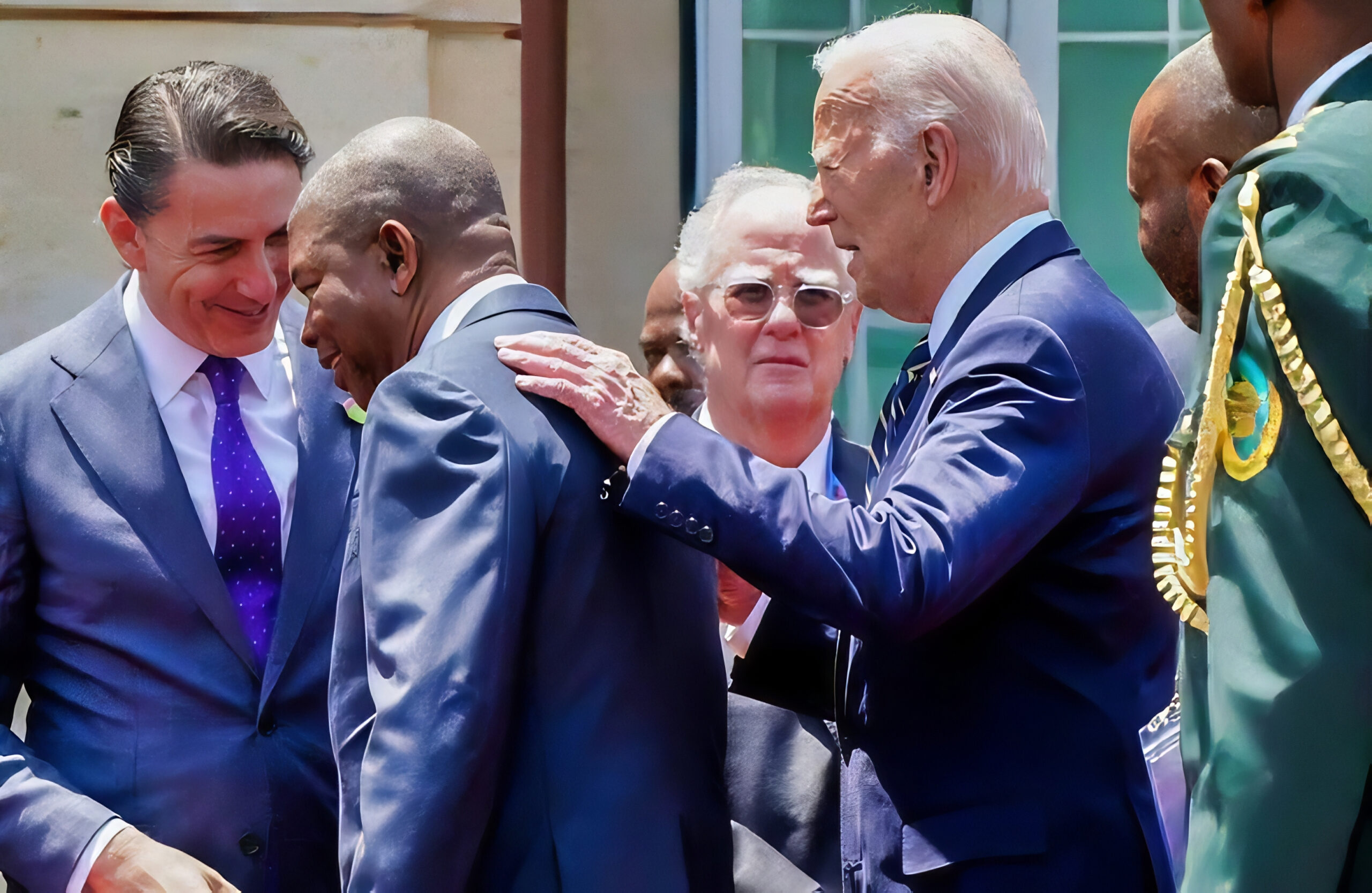
The profits from these ventures are often shared between the corrupt officials and their foreign partners, with little benefit to the Angolan people.
Economic Inequality
The misappropriation of resources contributes to Angola’s considerable economic inequality. While a small elite accumulates wealth, the majority of the population remains impoverished and lacks access to basic necessities. This disparity exacerbates social tensions and undermines efforts to create a more equitable society.
Efforts to Combat Corruption
Tackling corruption in Angola requires a multi-pronged approach. Strengthening governance and implementing robust anti-corruption measures are essential steps. This includes increasing transparency and accountability in government operations, enforcing strict penalties for corrupt practices, and promoting a culture of integrity and ethical behaviour.
International Support
International organisations and foreign governments can play a crucial role in supporting anti-corruption efforts in Angola. By providing technical assistance, funding and expertise, they can help build the capacity of local institutions to fight corruption effectively. In addition, international pressure and sanctions against corrupt officials can deter corrupt practices and promote accountability.
Corruption and the misappropriation of resources remain major challenges in Angola, hampering the country’s development and the well-being of its citizens. Addressing these issues requires concerted efforts by local and international stakeholders to promote transparency, accountability and the equitable distribution of resources. Only through sustained and collaborative efforts can Angola overcome the scourge of corruption and achieve meaningful progress.
The Role of Foreign Partners in the Exploitation of African Resources
Foreign partners, including multinational corporations and investors, play a significant role in the exploitation of Africa’s resources. While these companies often bring investment, technology and expertise to the region, their primary focus is often on maximising profits rather than ensuring the well-being of local communities. This profit-driven approach can have detrimental effects on host countries, especially when it involves working with corrupt officials.
Prioritising Profits Over People
Multinational companies and foreign investors often prioritise financial gain over the needs and welfare of local communities. This can lead to unsustainable resource extraction, environmental degradation and the depletion of natural resources on which local communities depend for their livelihoods. The focus on short-term profits can also lead to inadequate investment in local infrastructure, education and healthcare, further exacerbating poverty and inequality.
Collaboration with Corrupt Officials
Foreign partners often work with corrupt government officials to secure lucrative contracts and access to valuable resources. These partnerships often involve bribes, kickbacks and other forms of corruption that undermine good governance and transparency. Funds that should be used for public welfare and development are instead diverted into the pockets of a few, leaving the majority of the population without the benefits of their country’s natural wealth.
Mismanagement and Depletion of Resources
Collaboration between foreign companies and corrupt officials often leads to mismanagement and depletion of valuable resources. For example, mining operations may be carried out without proper environmental safeguards, resulting in pollution and habitat destruction. Similarly, oil extraction can lead to spills and other environmental disasters that have long-term negative impacts on local ecosystems and communities.
Entrenching Poverty and Inequality
The exploitation of resources by foreign partners, coupled with corruption, entrenches poverty and inequality in African countries. While a small elite benefits from the wealth generated by resource extraction, the majority of the population remains impoverished and marginalised.

This economic inequality can lead to social unrest and conflict, further destabilising the region.
Addressing the Challenges
In order to effectively address these challenges, it is imperative to promote transparency, accountability, and sustainable practices in the context of resource extraction. This encompasses the following:
- Strengthening Governance: The implementation of robust anti-corruption measures and the accountability of government officials for their actions are essential.
- Promoting Ethical Investment: The promotion of ethical investment practices among foreign partners, with a particular emphasis on the well-being of local communities and the environment.
- Supporting Local Development: It is imperative to guarantee that a proportionate share of the profits derived from the exploitation of natural resources is reinvested in the development of local infrastructure, the advancement of education, the improvement of healthcare provision, and the enhancement of other essential public services.
- Fostering Community Engagement: The involvement of local communities in decision-making processes pertaining to the extraction of natural resources is essential, as is the guarantee that their opinions are heard and respected.
Addressing the Challenges of Corruption and Misappropriation
To effectively address the challenges of corruption and misappropriation in Angola, a comprehensive and multifaceted approach is essential. The following key strategies will help to tackle these issues in an effective manner:
1. Transparency and Accountability
- Public Disclosure: The public disclosure of all government transactions, contracts, and expenditures can play an instrumental role in the prevention of corruption. By fostering transparency, citizens are better positioned to hold officials accountable and to identify and mitigate potential avenues for misappropriation.
- Independent Audits: The implementation of periodic, impartial assessments of governmental institutions and initiatives can facilitate the detection of instances of corruption and maladministration. It is essential that auditors are granted the authority to investigate and report their findings without interference.
- Whistle-blower Protection: It is of paramount importance to safeguard those who expose instances of corruption. It is essential that legislation and operational procedures are in place to protect individuals who report unethical practices from any form of retaliation.
2. Strengthening Governance
- Anti-Corruption Agencies: The establishment and empowerment of autonomous anti-corruption agencies can facilitate the investigation and prosecution of corrupt activities. It is essential that these agencies are provided with the necessary resources and autonomy to enable them to operate effectively.
- Judicial Reforms: It is imperative that the judicial system be reinforced in order to guarantee impartial and just trials for those accused of corruption. It is imperative that judges and prosecutors receive comprehensive training in order to effectively handle complex corruption cases, and that they operate with complete impartiality, free from any political influence.
- Political Will: It is imperative that there be a robust and unwavering commitment to the eradication of corruption at the highest levels of government. Those in positions of authority must demonstrate a commitment to transparency and accountability by setting an example and providing support for anti-corruption initiatives.
3. Inclusive Economic Policies
- Community Involvement: Involving local communities in the decision-making processes associated with development projects guarantees that their needs and concerns are duly acknowledged and addressed. Community participation has the potential to result in more equitable and sustainable outcomes.
- Equitable Resource Distribution: It is of paramount importance to guarantee that the advantages of development initiatives are distributed in a fair and equitable manner across all segments of society. It is recommended that policies give priority to investments in education, healthcare and infrastructure that will directly benefit local communities.
- Capacity Building: Investment in the capacity building of local institutions and communities can enhance their ability to manage resources effectively and to resist corruption. Training and educational programmes can facilitate the empowerment of individuals to engage in governance and development processes.
The Lobito Trans-African Corridor Summit
While the Lobito Trans-African Corridor Summit emphasises the potential for economic development and regional integration, it also highlights the urgent necessity to address corruption and exploitation. The Lobito Corridor, a significant railway infrastructure project, seeks to facilitate connectivity between Angola and mineral-rich regions within the Democratic Republic of Congo (DRC) and Zambia. Nevertheless, it is imperative to guarantee that the advantages of these initiatives are disseminated among the populations of Angola and neighbouring countries if genuine development is to be attained and the quality of life of all is to be enhanced.
1. Economic Development and Regional Integration
- Infrastructure Investment: The Lobito Corridor has the potential to stimulate economic growth by enhancing transportation infrastructure and facilitating trade. Investment in infrastructure has the potential to stimulate economic growth by creating employment opportunities, attracting investment and enhancing regional connectivity.
- Trade Facilitation: By establishing connections between mineral-rich regions and international markets, the Lobito Corridor has the potential to facilitate enhanced trade opportunities for Angola and its neighbouring countries. Such a scenario could result in increased revenue and economic diversification.
2. Addressing Corruption and Exploitation
- Monitoring and Oversight: The implementation of robust monitoring and oversight mechanisms for the Lobito Corridor project can facilitate the prevention of corruption and ensure the effective utilisation of resources. It would be prudent to appoint independent bodies with the responsibility of overseeing the implementation of the project and ensuring compliance with the ethical standards that have been established.
- Stakeholder Engagement: The involvement of all relevant stakeholders, including local communities, civil society organisations and international partners, in the planning and implementation of a project can facilitate transparency and accountability. The involvement of stakeholders ensures that a range of viewpoints are taken into account and that the project’s benefits are distributed equitably among all parties involved.
In order to effectively address the challenges of corruption and misappropriation in Angola, it is essential to adopt a multifaceted approach that prioritises transparency, accountability, and the implementation of inclusive economic policies. The Lobito Trans-African Corridor Summit provides a valuable opportunity to underscore the potential for economic advancement and regional integration, while underscoring the necessity to confront corruption and exploitation.
It is imperative that the benefits of such projects are distributed equitably among the people of Angola and neighbouring countries if true development and an enhanced quality of life for all are to be achieved.
Visit to Salt Island
Subsequent to his scheduled engagements in Lobito, President Biden will proceed to Salt Island, situated in the vicinity of Cape Verde. This visit serves to illustrate the broader regional significance of the trip and the commitment to fostering stronger ties across the African continent.

Nevertheless, the actualities of such visits frequently diverge from this representation.
Broader Regional Significance
A visit to Salt Island serves to illustrate the strategic importance of Cape Verde in the context of regional geopolitics. The United States’ engagement with multiple African nations is intended to reinforce diplomatic and economic ties, thereby promoting regional stability and cooperation. The objective of this broader engagement is to foster partnerships that can address challenges that are of a shared nature, such as those pertaining to security, economic development and climate change.
The Reality of Corruption
Notwithstanding the official discourse of fostering stronger ties and promoting development, it is evident that such visits often confer benefits upon the corrupt ruling elite rather than the general populace. In many instances, it would appear that the principal objective is to secure new sources of revenue for the ruling class and their foreign partners. This perpetuates a cycle of exploitation and inequality, whereby the profits derived from the exploitation of natural resources and the implementation of economic projects are misappropriated by those in positions of power.
Securing New Sources of Revenue
High-profile visits and international agreements frequently represent opportunities for the ruling elite to secure new sources of revenue. It is not uncommon for such agreements to be structured in a way that benefits a select few powerful individuals and their foreign partners, rather than the broader population. The objective is to maximise profits and maintain control over valuable resources, rather than ensuring equitable distribution and sustainable development.
Exploitation of Natural Resources
The exploitation of natural resources represents a significant area of concern with regard to the prevalence of corruption. It is not uncommon for foreign corporations and investors, in collaboration with local officials, to gain access to mineral wealth, oil reserves, and other valuable resources through questionable means. The extraction and subsequent exportation of these resources generates considerable profits for the parties involved. Nevertheless, the local communities, who should be the primary beneficiaries, have not witnessed any improvement in their living conditions.
Misappropriation of Funds
It is not uncommon for funds generated from natural resource extraction and economic projects to be misappropriated by those in positions of authority. In contrast to their intended purpose, these funds are not invested in public services, infrastructure, and social programmes.
Instead, they are diverted into private accounts and used to maintain the lavish lifestyles of the elite. Such misappropriation of resources serves to undermine efforts to enhance the quality of life for the general populace, while simultaneously perpetuating poverty and inequality.
Impact on Development
The mismanagement and corruption associated with these projects have a deleterious effect on the process of development. Funding for essential services such as healthcare, education and infrastructure remains insufficient and inadequate. The absence of investment in these sectors impedes economic growth and social advancement, perpetuating a cycle of poverty and underdevelopment among the population.
International Complicity
Foreign partners, including multinational corporations and investors, play a significant role in this cycle of exploitation. By prioritising their own profits and engaging in collusion with corrupt officials, they contribute to the mismanagement and depletion of valuable resources. This international complicity serves to exacerbate the challenges faced by local communities and undermines efforts to achieve sustainable development.
Addressing the Reality of Corruption
In order to address the reality of corruption and ensure that the benefits of development projects are equitably distributed among the general populace, a number of measures must be implemented:
- Transparency and Accountability: It is of the utmost importance to implement robust mechanisms for transparency and accountability in government transactions and resource management. The public disclosure of contracts, expenditures, and revenues can assist in the prevention of corruption and ensure that funds are utilised for their intended purposes.
- Strengthening Governance: The enhancement of the capacity and independence of anti-corruption agencies, the judiciary, and law enforcement can facilitate the effective combating of corruption. The establishment of robust governance structures is a crucial element in ensuring accountability and deterring corrupt practices among officials.
- Inclusive Economic Policies: It is of the utmost importance to develop policies that prioritise the needs of local communities and ensure an equitable distribution of resources. This encompasses the allocation of resources towards the advancement of public services, infrastructure, and social programmes that are directly beneficial to the population.
- International Cooperation: The encouragement of ethical investment practices and the promotion of international cooperation to combat corruption can assist in the identification of the role played by foreign partners in exploitation. Furthermore, international pressure and sanctions against corrupt officials can serve as a deterrent to corrupt practices.
The prevalence of corruption in Angola and other comparable contexts underscores the necessity for comprehensive and sustained initiatives to address the underlying systemic issues. By prioritising transparency, accountability and inclusive development, it is possible to interrupt the cycle of exploitation and ensure that the benefits of economic projects are distributed equitably. It is only through collaborative and ethical approaches that true progress and development can be achieved.
Economic Exploitation in Africa
The exploitation of African resources by foreign entities, frequently in collaboration with local politicians, has been a source of contention for an extended period of time. Although initiatives such as the Lobito Corridor may offer the prospect of economic growth and development, they frequently result in the enrichment of a select few.

Meanwhile, the local population continues to experience poverty and marginalisation, with minimal benefit derived from the wealth generated by their own resources.
Historical Context
The exploitation of African resources has a long historical precedent, dating back to the colonial era when European powers extracted vast amounts of wealth from the continent. This legacy of exploitation has persisted into the modern era, with multinational corporations and foreign investors assuming a prominent role. These entities frequently prioritise profit over the well-being of local communities, thereby perpetuating a cycle of poverty and inequality.
Mechanisms of Exploitation
- Resource Extraction: It is not uncommon for foreign companies to gain access to Africa’s rich natural resources, including minerals, oil, and gas, through agreements with local politicians. The extraction and subsequent exportation of these resources generates considerable profits for the companies in question, as well as their local partners.
- Unfair Contracts: It is evident that a considerable number of contractual agreements between foreign entities and governments in Africa are weighted in favour of the former. Such agreements frequently encompass unfavourable stipulations for the countries in which they are implemented, including low royalties, tax exemptions and minimal local content requirements.
- Environmental Degradation: It is a common consequence of resource extraction activities that the environment is damaged, including instances of deforestation, water pollution and the destruction of habitats. The local communities are the most severely affected by these impacts, suffering from a range of health issues and experiencing a loss of livelihoods.
Impact on Local Communities
- Poverty and Inequality: Despite the considerable wealth generated from the extraction of natural resources, the local population frequently perceives a lack of improvement in their living conditions. The profits are typically concentrated in the hands of a few elites, while the majority of the population remains impoverished.
- Lack of Infrastructure: It is uncommon for revenue generated from the extraction of natural resources to be reinvested in local infrastructure, such as educational facilities, medical care and transportation networks. This absence of investment serves to perpetuate underdevelopment and restrict the potential for economic growth.
- Social Displacement: The implementation of large-scale resource extraction projects has the potential to result in the involuntary displacement of local communities. In many instances, individuals are compelled to abandon their residences and the land on which they depend for their livelihood, thereby forfeiting not only their primary source of income but also the cultural heritage that they have accumulated over time.
Role of Foreign Partners
Foreign partners, including multinational corporations and investors, play a pivotal role in this exploitation. By forming alliances with those in positions of authority who are willing to engage in corrupt practices, they are able to gain access to valuable resources and enhance their profitability. Such collusion has the effect of undermining the principles of good governance and transparency, thereby making it more difficult to hold those in positions of power to account.
Addressing Economic Exploitation
In order to address the issue of economic exploitation, it is necessary to implement a series of measures:
- Fair Contracts: It is of paramount importance to guarantee that contracts between foreign entities and African governments are equitable and transparent. This encompasses the negotiation of more favourable terms with respect to royalties, taxes and local content requirements.
- Strengthening Governance: The implementation of enhanced governance and anti-corruption measures has the potential to mitigate the misappropriation of resources. The establishment of independent oversight bodies and the implementation of robust legal frameworks are fundamental to ensuring accountability on the part of officials.
- Community Involvement: Involving local communities in decision-making processes related to resource extraction can facilitate the identification and resolution of issues that may impact their well-being and livelihoods. This encompasses the provision of sufficient compensation and support for communities that have been displaced.
- Sustainable Practices: The promotion of sustainable resource extraction practices can serve to minimise environmental damage and ensure the responsible utilisation of resources. This encompasses the implementation of environmental regulations and the allocation of resources towards the development of renewable energy sources.
The exploitation of African resources by foreign entities in collaboration with local politicians represents a significant challenge. Although initiatives such as the Lobito Corridor may offer the prospect of economic advancement, they frequently result in the concentration of wealth among a privileged few, while the local population experiences a decline in prosperity and marginalisation.
To address this issue, it is necessary to adopt a multifaceted approach that prioritises the implementation of fair contracts, the promotion of good governance, the involvement of communities in decision-making processes, and the adoption of sustainable practices. It is only through these efforts that the true potential of Africa’s resources can be realised for the benefit of all its people.
Addressing the Challenges of Corruption and Misappropriation
In order to ensure the optimal benefit to the people of Angola and other African nations, it is imperative to address the systemic issues of corruption and misappropriation. This necessitates a multifaceted approach that prioritises transparency, accountability and inclusive economic policies.
Transparency and Accountability
- Public Disclosure: The public disclosure of all government transactions, contracts, and expenditures can play an instrumental role in the prevention of corruption. The implementation of transparency measures enables citizens to hold officials to account and reduces the potential for misappropriation.
- Independent Audits: The implementation of periodic, impartial assessments of governmental institutions and initiatives can facilitate the detection of instances of corruption and maladministration. It is essential that auditors are granted the authority to investigate and report their findings without interference.
- Whistleblower Protection: It is of paramount importance to safeguard those who expose instances of corruption. It is essential that legislation and operational procedures are in place to protect individuals who report unethical practices from any form of retaliation.
Strengthening Governance
- Anti-Corruption Agencies: The role of anti-corruption agencies The establishment and empowerment of independent anti-corruption agencies can facilitate the investigation and prosecution of corrupt activities. It is essential that these agencies are provided with the necessary resources and autonomy to enable them to operate effectively.
- Judicial Reforms: It is imperative that the judicial system be reinforced in order to guarantee impartial and just trials for those accused of corruption. It is imperative that judges and prosecutors receive comprehensive training in order to effectively handle complex corruption cases, and that they operate with complete impartiality, free from any political influence.
- Political Will: It is imperative that there be a robust and unwavering commitment to the eradication of corruption at the highest levels of government. Those in positions of authority must demonstrate a commitment to transparency and accountability by setting an example and providing support for anti-corruption initiatives.
Inclusive Economic Policies
- Community Involvement: Involving local communities in the decision-making processes associated with development projects guarantees that their needs and concerns are duly acknowledged and addressed. Community participation has the potential to result in more equitable and sustainable outcomes.
- Equitable Resource Distribution: It is of paramount importance to guarantee that the advantages of development initiatives are distributed in a fair and equitable manner across all segments of society. It is recommended that policies give priority to investments in education, healthcare and infrastructure that will directly benefit local communities.
- Capacity Building: Investment in the capacity building of local institutions and communities can enhance their ability to manage resources effectively and to resist corruption. Training and educational programmes can facilitate the empowerment of individuals to engage in governance and development processes.
The Role of International Partners
It is incumbent upon international partners, including the United States, to ensure that their engagements and investments are conducted in accordance with the principles of ethical conduct and contribute to the objective of sustainable development. This entails:
- Ethical Investment Practices: The promotion of ethical investment practices among foreign partners, with a particular emphasis on the well-being of local communities and the environment.
- Supporting Anti-Corruption Efforts: The provision of technical assistance, financial resources, and specialized knowledge is offered to bolster local anti-corruption endeavours. Furthermore, international pressure and sanctions against corrupt officials can serve as a deterrent to corrupt practices.
- Promoting Sustainable Development: The objective is to guarantee that development projects are designed and implemented in a manner that ensures long-term sustainability and benefits all members of society.
The Lobito Corridor: Potential and Challenges
The Lobito Corridor is scheduled to be a principal topic of discussion during President Biden’s visit to Angola. This ambitious railway infrastructure project has the objective of establishing a connection between Angola and the mineral-rich areas of the Democratic Republic of Congo (DRC), with a projected span that encompasses both Angola and Zambia.
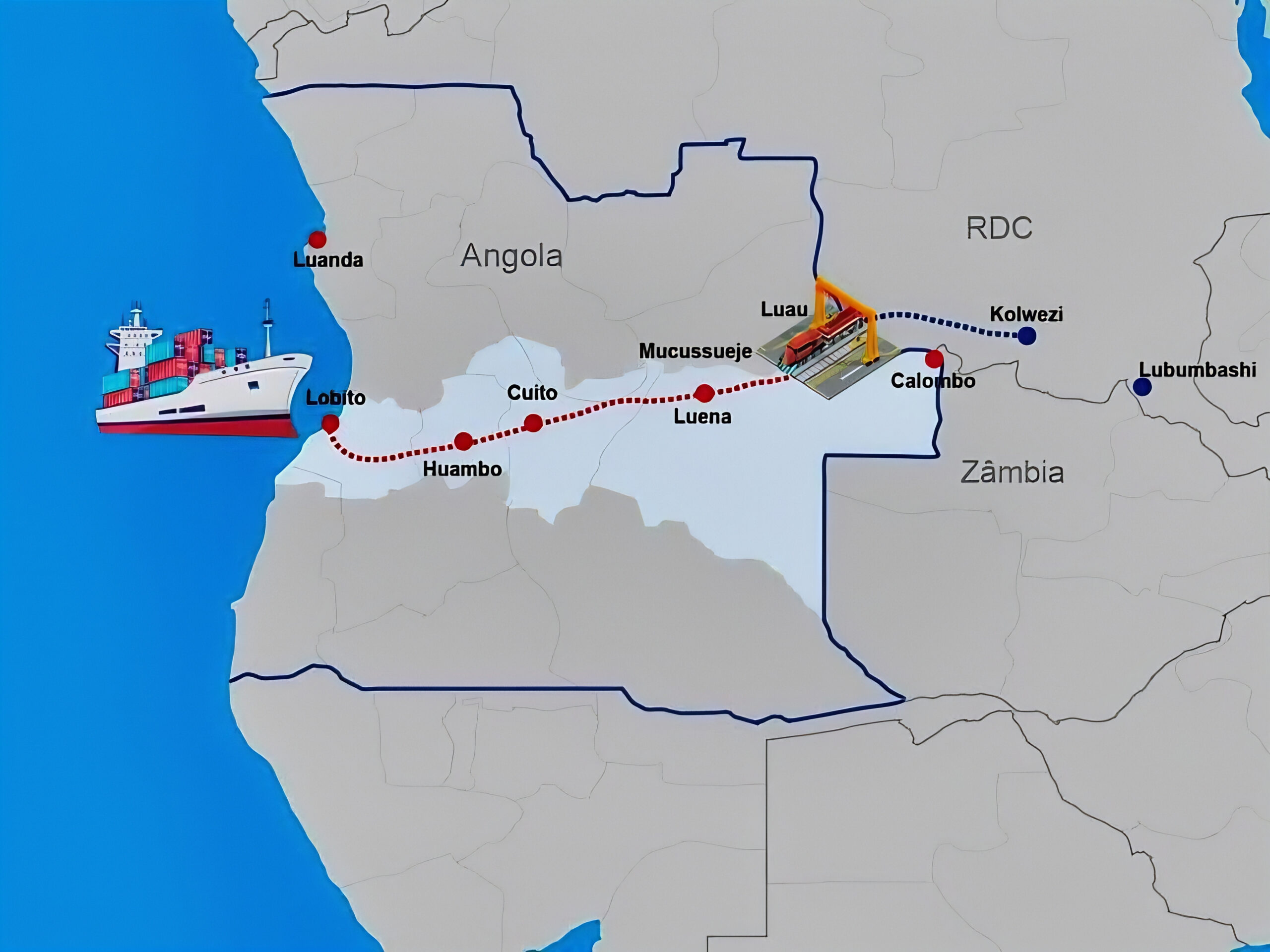
The Lobito Corridor is positioned to become the inaugural open-access transcontinental rail network on the African continent, connecting the Atlantic Ocean to the Indian Ocean.
Potential Benefits
- Economic Growth: The Lobito Corridor has the potential to stimulate economic growth by enhancing transportation infrastructure and facilitating trade. Investment in infrastructure has the potential to stimulate economic growth by creating employment opportunities, attracting investment and enhancing regional connectivity.
- Trade Facilitation: By establishing connections between mineral-rich regions and international markets, the Lobito Corridor has the potential to facilitate enhanced trade opportunities for Angola and its neighbouring countries. Such a scenario could result in increased revenue and economic diversification.
Addressing Corruption and Exploitation
While the Lobito Corridor demonstrates the potential for economic development and regional integration, it also highlights the urgent necessity to address the issues of corruption and exploitation. It is imperative that the benefits of such projects are distributed equitably among the people of Angola and neighbouring countries if true development is to be achieved and the quality of life for all is to be improved.
The resolution of the issues pertaining to corruption and misappropriation in Angola necessitates a comprehensive and sustained approach. By prioritising transparency, accountability and inclusive economic policies, it is possible to interrupt the cycle of exploitation and guarantee that the advantages of advancement projects are accessible to the individuals who require them most. It is imperative that international partners, including the United States, provide support for these endeavours and promote sustainable development. It is only through the implementation of collaborative and ethical approaches that true progress and development can be achieved.
Potential Benefits of the Lobito Corridor
The Lobito Corridor is frequently regarded as a transformative infrastructure project with the potential to considerably enhance economic development and regional integration in Africa. The following are some of the principal benefits that this ambitious project could deliver:
1. Facilitating Trade
The Lobito Corridor has been designed with the objective of enhancing the region’s transportation infrastructure, thereby facilitating the more expedient and efficient movement of goods across the region. The corridor will facilitate the export of minerals and other commodities to international markets by connecting Angola to the mineral-rich areas of the Democratic Republic of Congo (DRC) and Zambia. Such enhanced connectivity may result in a reduction of transportation costs, an increase in trade volumes, and an improvement in the competitiveness of African products on the global stage.
2. Attracting Investment
The improvement of infrastructure is a crucial element in the attraction of both foreign and domestic investment. It is anticipated that the development of the Lobito Corridor will contribute to the creation of a more favourable business environment, due to the provision of reliable and efficient transportation links. Such developments may encourage investment in a range of sectors, including mining, agriculture, manufacturing, and services. An increase in investment can result in the establishment of new businesses, the expansion of existing ones, and a corresponding growth in the economy.
3. Creating Jobs
It is anticipated that the construction and subsequent operation of the Lobito Corridor will result in the creation of a substantial number of employment opportunities. It is anticipated that the construction phase will result in the creation of numerous employment opportunities, particularly in the fields of engineering, construction, and logistics. Upon completion and commencement of operations, the corridor will continue to provide employment opportunities in maintenance, transportation, and related industries. The generation of employment opportunities is a crucial element in the reduction of poverty and the enhancement of the standard of living for local communities.
4. Promoting Industrial Growth
The Lobito Corridor’s enhanced connectivity can stimulate industrial growth by facilitating the transportation of raw materials to processing facilities and finished goods to markets. This may result in the emergence of new industrial sectors and the expansion of existing ones. Industrial growth has the potential to diversify the economy, reduce dependence on a single sector, and enhance resilience to economic shocks.
5. Increasing Access to International Markets
The Lobito Corridor will facilitate a direct route for the export of goods from the Atlantic Ocean to the Indian Ocean, thereby providing a vital link for international trade. This enhanced accessibility can facilitate the emergence of novel opportunities for African businesses to connect with global customers, expand their market share, and augment their revenues. Access to international markets is a fundamental driver of economic growth and development.
6. Regional Integration
It is anticipated that the Lobito Corridor will serve to reinforce regional integration by facilitating enhanced connectivity between Angola, the DRC, and Zambia. Enhanced transportation links can facilitate the movement of people, goods, and services across borders, thereby promoting economic cooperation and collaboration. The process of regional integration has the potential to result in more efficient resource allocation, increased trade, and the sharing of economic benefits across a larger geographical area.
7. Infrastructure Development
The development of the Lobito Corridor will entail the construction of new infrastructure, including railways, roads, and ports. The construction of this infrastructure can have a beneficial impact on other sectors of the economy, including improvements in market access, reductions in transportation costs, and enhancements in overall productivity. Infrastructure development is a principal driver of economic growth and development.
The Lobito Corridor has the potential to be a transformative force for Angola and the broader region. By facilitating trade, attracting investment, creating employment opportunities, promoting industrial growth, increasing access to international markets and strengthening regional integration, the corridor has the potential to contribute to the overall development and prosperity of the region. Nevertheless, it is imperative to confront the issues of corruption and guarantee that the advantages of the undertaking are distributed equitably in order to attain genuine and enduring development.
Criticisms and Concerns Surrounding the Lobito Corridor
The Lobito Corridor is frequently presented as a transformative project with the potential to stimulate economic growth and regional integration. However, it has also attracted significant criticism and raised concerns. Many view it as an express highway for transporting African resources from the east to the west, primarily benefiting foreign exploiters and their local agents, the political class. The following are some of the key criticisms and concerns:
1. Resource Exploitation
One of the primary criticisms of the Lobito Corridor is that it provides an avenue for the exploitation of Africa’s rich natural resources. The railway infrastructure is designed to facilitate the transportation of minerals and other valuable commodities from the Democratic Republic of Congo (DRC) and Zambia to international markets. While this can generate substantial profits, the local population often fails to benefit from them. Instead, these profits are diverted by foreign corporations and local elites, leaving the majority of people impoverished and marginalised.
2. Economic Inequality
It is frequently observed that the profits generated from the mineral-rich areas connected by the Lobito Corridor do not reach the local communities. This contributes to the exacerbation of economic inequality, as the wealth generated from resource extraction is concentrated in the hands of a few. The local population, who should be the primary beneficiaries of their country’s natural wealth, frequently remain impoverished, with restricted access to fundamental services such as healthcare, education, and clean water.
3. Environmental Concerns
It is possible that the facilitation of resource extraction activities by the Lobito Corridor may result in significant environmental degradation. In particular, mining operations have the potential to result in deforestation, water pollution and habitat destruction. Such environmental impacts can have long-term consequences for local communities, affecting their health, livelihoods, and access to natural resources.
4. Lack of Local Benefits
Those with a critical perspective contend that the Lobito Corridor is primarily oriented towards the interests of foreign investors and the political elite, rather than the local population. Infrastructure projects of this nature frequently give precedence to the requirements of international markets over those of local development. Consequently, the advantages of enhanced transportation infrastructure, including job creation and economic growth, are not distributed in a manner that is equitable.
5. Corruption and Mismanagement
Furthermore, the Lobito Corridor project has been the subject of criticism on the grounds of its susceptibility to corruption and mismanagement. Large-scale infrastructure projects in Africa are frequently beset by issues of transparency and accountability.
The misappropriation of funds by corrupt officials and their foreign partners may result in the diversion of resources intended for development, thereby undermining the potential benefits of the project.
6. Social Displacement
The construction and subsequent operation of the Lobito Corridor has the potential to result in the involuntary displacement of local communities. Those residing in proximity to the railway route may be compelled to relinquish their residences and land, thereby forfeiting their livelihoods and cultural heritage. Such social displacement can have a profoundly detrimental impact on the communities affected, intensifying poverty and social tensions.
Addressing the Concerns
In order to respond to these criticisms and concerns, a number of measures are required:
- Ensuring Fair Distribution of Profits: It is imperative that policies are implemented to guarantee that the profits derived from the extraction of natural resources are distributed equitably among all societal groups. This encompasses the allocation of financial resources towards the development of local infrastructure, the expansion of educational and healthcare facilities, and the enhancement of other essential public services.
- Promoting Transparency and Accountability: The implementation of robust governance and anti-corruption measures can prove an effective means of preventing the misappropriation of resources. The establishment of independent oversight bodies and the implementation of robust legal frameworks are fundamental to ensuring accountability on the part of officials.
- Environmental Protection: The implementation of rigorous environmental regulations and the promotion of sustainable resource extraction practices can serve to mitigate the adverse effects on the natural environment. This encompasses the undertaking of environmental impact assessments and the enforcement of compliance with environmental standards.
- Community Involvement: Involving local communities in decision-making processes related to the Lobito Corridor can facilitate the identification and resolution of issues pertinent to their needs and concerns. This encompasses the provision of sufficient compensation and support for communities that have been displaced.
- International Cooperation: The encouragement of ethical investment practices and the promotion of international cooperation to combat corruption can assist in the identification of the role played by foreign partners in exploitation. Furthermore, international pressure and sanctions against corrupt officials can serve as a deterrent to corrupt practices.
Although the Lobito Corridor has the potential to stimulate economic growth and regional integration, it is imperative to address the significant criticisms and concerns surrounding the project. It is of the utmost importance to guarantee that the advantages of the project are disseminated among the local population, as opposed to being concentrated among the ruling elite and foreign exploiters, if the objective of genuine and sustainable development is to be attained. By prioritising transparency, accountability and inclusive development, it is possible to create a more equitable and prosperous future for all.
The Need for Local Connectivity
Those with a critical perspective contend that the most pressing need in Africa is to enhance local connectivity, linking villages to towns where people can access essential services such as schools, hospitals, and markets. While the transcontinental rail network may have a beneficial impact on the macro economy, it does little to address the immediate needs of the local population. Infrastructure projects that prioritise local development and accessibility are of paramount importance for improving the quality of life for ordinary citizens.
1. Access to Essential Services
- Education: The enhancement of local connectivity can facilitate the provision of educational access for children in isolated rural communities. This can result in elevated literacy rates, enhanced educational outcomes, and augmented prospects for future employment.
- Healthcare: The establishment of connections between rural communities and urban settlements, facilitating the provision of healthcare facilities and services, can markedly enhance the accessibility of healthcare services. This is of paramount importance for the timely implementation of medical interventions, the improvement of maternal and child health outcomes, and the effective management of chronic diseases.
- Markets: Local connectivity enables farmers and small businesses to gain access to markets where they can sell their products. Such initiatives have the potential to stimulate local economic growth, enhance income levels and alleviate poverty.
2. Economic Empowerment
- Job Creation: Infrastructure projects that prioritise local connectivity have the potential to generate employment opportunities in a range of sectors, including construction, maintenance, and transportation. Such employment opportunities can facilitate the generation of stable incomes and enhance the quality of life for local communities.
- Entrepreneurship: Enhanced connectivity can facilitate entrepreneurship by enabling access to resources, markets, and information. The viability of small businesses is contingent upon their ability to establish robust connections with supply chains and customer bases.
3. Social Inclusion
- Community Engagement: Local connectivity can facilitate social inclusion by enabling community members to engage in social, cultural, and political activities. Such initiatives have the potential to reinforce the ties that bind communities together, thereby fostering a greater sense of social cohesion.
- Mobility: The implementation of enhanced transportation solutions has the potential to enhance the mobility of all members of the community, including those who are elderly or disabled. Such improvements can enhance the independence and quality of life of the elderly and disabled.
4. Sustainable Development
- Environmental Benefits: It is possible to incorporate sustainability considerations into the design of local infrastructure projects, thereby reducing the environmental impact of transportation. This encompasses the utilisation of environmentally friendly materials and the promotion of non-motorised transportation alternatives, such as cycling and walking.
- Resilience: The construction of resilient local infrastructure can assist communities in withstanding the effects of natural disasters and climate change. This encompasses the construction of resilient infrastructure, including durable roads and bridges that can withstand extreme weather conditions.
5. Challenges and Solutions
- Funding: Obtaining financial resources for local connectivity initiatives can prove to be a significant challenge. It is imperative that governments and international donors prioritise investment in local infrastructure in order to ensure sustainable development.
- Planning and Implementation: The success of local connectivity projects is contingent upon effective planning and implementation. This entails the incorporation of local communities into the decision-making process and the adaptation of projects to align with their particular requirements.
- Maintenance: It is of the utmost importance to guarantee the long-term upkeep of local infrastructure in order to ensure its sustainability. This necessitates the provision of sufficient financial resources, the deployment of appropriately skilled personnel, and the active engagement of the local community.
Although transcontinental rail networks like the Lobito Corridor may have a positive impact on the macroeconomic landscape, it is evident that the continent of Africa requires enhanced local connectivity. Infrastructure projects that prioritise local development and accessibility are of paramount importance for improving the quality of life for ordinary citizens. By concentrating on the provision of essential services, the promotion of economic empowerment, social inclusion and sustainable development, local connectivity projects can facilitate the creation of a more equitable and prosperous future for all. To address these needs, a unified effort is required from governments, international partners, and local communities to guarantee that the advantages of development are accessible to all.
Perception of President Biden’s Visit to Angola
The majority of Angolans perceive President Biden’s visit as a further act of exploitation by the country’s ruling elite. It is commonly held that high-profile visits and projects are primarily driven by the interests of the ruling elite and their foreign partners, rather than by the needs of the people.
In order to address these concerns, it is essential to demonstrate a commitment to transparency, accountability, and the implementation of inclusive development policies that prioritise the well-being of the local population.
Widespread Scepticism
There is considerable scepticism in Angola regarding the true intentions behind President Biden’s visit. Such perceptions posit that the visit represents an opportunity for the ruling elite to secure new sources of revenue and reinforce their alliances with foreign partners. This scepticism is grounded in a history of exploitation and corruption, whereby the benefits of development projects have frequently failed to reach the general populace.
Serving the Interests of the Elite
It is frequently observed that high-profile visits and international agreements serve the interests of the ruling elite and their foreign partners. Such engagements have the potential to result in lucrative deals and investments, the benefits of which are primarily concentrated among a small group of powerful individuals.
Conversely, the local population remains marginalised and excluded from the economic gains generated by such projects.
Need for Transparency and Accountability
In order to adequately address these concerns, it is imperative that there be a robust commitment to transparency and accountability. This encompasses the following:
- Public Disclosure: The objective is to guarantee that all agreements, contracts, and financial transactions pertaining to development projects are made accessible to the public. Such transparency allows citizens to hold officials to account and reduces the potential for corruption.
- Independent Oversight: The establishment of autonomous oversight bodies with the mandate of monitoring the implementation of projects and ensuring the ethical and effective utilisation of funds.
- Whistle-blower Protection: It is of paramount importance to safeguard individuals who expose instances of corruption and unethical practices in order to foster a culture of accountability.
Inclusive Development Policies
It is imperative that inclusive development policies are implemented in order to guarantee that the advantages of initiatives such as the Lobito Corridor are disseminated amongst the local population. This necessitates the involvement of:
- Community Involvement: The involvement of local communities in the planning and decision-making processes is essential to ensure that their needs and concerns are addressed.
- Equitable Resource Distribution: Implementing policies that ensure the equitable distribution of resources and profits generated by development projects. This encompasses the allocation of resources towards the advancement of education, healthcare, and infrastructure, with the objective of directly benefiting the local population.
- Capacity Building: The objective is to enhance the capability of local institutions and communities to manage resources in an effective manner and to participate in governance.
The Lobito Corridor: Potential and Challenges
Although the Lobito Corridor has the potential to stimulate economic growth and regional integration, it is imperative to address the underlying issues of exploitation and inequality. The project’s objective is to establish a rail network connecting Angola to the mineral-rich regions of the Democratic Republic of Congo (DRC) and Zambia, thereby creating Africa’s inaugural open-access transcontinental rail network. It is therefore essential to ensure that the benefits of such projects are equitably distributed among the people of Angola and neighbouring countries if the goal of true development and an improved quality of life for all is to be achieved.
Balancing Macroeconomic Goals and Local Needs
In order to ensure the success of the Lobito Corridor, it is essential to adopt a balanced approach that considers both macroeconomic goals and local needs. This encompasses the following:
- Economic Growth: The promotion of economic growth is contingent upon the improvement of infrastructure and the facilitation of trade.
- Local Development: The objective is to prioritise local development by investing in projects that enhance access to essential services, create employment opportunities and improve living conditions for the local population.
- Sustainable Practices: The objective is to guarantee that development projects are designed and implemented in a manner that ensures long-term sustainability and minimises environmental impact.
The visit of President Biden to Angola serves to illustrate the potential for the strengthening of regional ties and economic cooperation. Nevertheless, it also draws attention to the enduring challenges of corruption and exploitation. In order to address these concerns, it is essential to demonstrate a commitment to transparency, accountability, and the implementation of inclusive development policies that prioritise the well-being of the local population. It is possible to achieve true development and improve the quality of life for all by ensuring that the benefits of projects like the Lobito Corridor reach the people of Angola and neighbouring countries.
Expanding the Agenda: Health, Food Security, and Agribusiness
In addition to the Lobito Corridor, the agenda for President Biden’s visit to Angola will include critical discussions on health, food security, and agribusiness. These issues are of the utmost importance for Angola’s development and the well-being of its citizens.
Health
Angola has made considerable progress in enhancing the health status of its population. The country has made significant investments in healthcare infrastructure, vaccination programmes and public health initiatives, which have resulted in improved health indicators in comparison to other nations, including the United States.
Notwithstanding these advancements, challenges persist, including accessibility to healthcare in rural regions and the necessity for an augmented workforce of healthcare professionals. It seems probable that discussions on health during President Biden’s visit will concentrate on the following three areas: enhancing healthcare collaboration, sharing best practices and addressing ongoing health challenges.
Food Security
Angola has the potential to become a significant contributor to global food security. The country has the capacity to produce sufficient food to meet its own needs and to export surplus food to other nations, including the United States, which is currently experiencing food insecurity. Angola’s fertile land and favourable climate conditions render it particularly conducive to agricultural production. Nevertheless, in order to fully actualise this potential, it is necessary to invest in agricultural infrastructure, technology and training for farmers. It is of paramount importance to ensure food security in order to reduce poverty, improve nutrition and foster economic growth.
Agribusiness
Although the agribusiness sector offers considerable potential for economic growth and development, it is important to acknowledge that this growth does not always directly benefit the Angolan people. Multinational corporations frequently exert a dominant influence over the sector, deriving profits from the efforts of Angolan farmers. It is not uncommon for the profits generated to be deposited in foreign institutions and offshore bank accounts, rather than being reinvested in local communities. This dynamic serves to perpetuate economic inequality and constrains the potential for inclusive growth.
Addressing the Challenges
In order to guarantee that the deliberations on health, food security and agribusiness result in tangible outcomes, it is essential to implement a series of measures:
- Promoting Local Investment: The promotion of investment in local agribusinesses and the provision of support to small-scale farmers can facilitate the realisation of the benefits of agricultural development at the local level. This encompasses the provision of access to credit, training, and technology.
- Enhancing Transparency: The implementation of transparent practices within the agribusiness sector can assist in the prevention of profit misappropriation and ensure the optimal utilisation of resources for the benefit of the community.
- Strengthening Healthcare Systems: The investment of resources in the development of healthcare infrastructure, the training of healthcare professionals and the improvement of access to healthcare services in rural areas has the potential to enhance health outcomes for all Angolans.
- Fostering International Collaboration: The collaboration with international partners, including the United States, can facilitate the introduction of expertise, technology, and funding to Angola, which can then be deployed to support health and agricultural initiatives.
The agenda for President Biden’s visit to Angola, which includes discussions on health, food security, and agribusiness, addresses critical issues for the country’s development. Although Angola has the potential to become a leading producer of food and has made significant progress in healthcare, it is crucial to address the challenges of economic inequality and ensure that the benefits of development are equitably distributed among all citizens. By encouraging local investment, improving transparency, strengthening healthcare systems and fostering international collaboration, Angola can achieve sustainable and inclusive growth.
Subsequent to the bilateral meeting, President Biden will visit the Slavery Museum, where he is scheduled to deliver an address. The museum is of significant historical importance, as it includes a 17th-century chapel where enslaved people were forcibly baptised before being sent to the Americas. The property was previously owned by one of the most prominent slavers on the African coast and contains artefacts that were used for the torture and punishment of enslaved individuals.
Historical Significance of the Slavery Museum
The Slavery Museum provides a poignant reminder of the brutal history of the transatlantic slave trade. The chapel, where enslaved people were baptised against their will, symbolises the forced conversion and dehumanisation that millions of Africans endured as a result of the transatlantic slave trade. The museum’s collection of artefacts, including handcuffs and iron weights, provides a stark illustration of the inhumane conditions and suffering experienced by enslaved individuals.
Contemporary Parallels
Those with a critical perspective contend that the same individuals who were complicit in historical atrocities are now operating under the auspices of the MPLA government. It is alleged that these contemporary actors are complicit in a range of criminal activities, including murder, rape, extortion, corruption and theft. This, it is argued, perpetuates a cycle of exploitation and oppression. This comparison serves to illustrate the ongoing struggle for justice and accountability in Angola.
Corruption and Human Rights Abuses
The MPLA government has been the subject of numerous accusations of corruption and human rights abuses. Those with opposing views assert that government officials and their associates persist in the exploitation of Angola’s resources for personal benefit, while the majority of the population remains impoverished.
Such allegations include the misappropriation of public funds, the suppression of political dissent, and the violation of basic human rights.
The Need for Accountability
The resolution of these issues necessitates a dedication to transparency, accountability, and the rule of law. It is imperative that those who perpetrate corruption and human rights abuses are held to account if a just and equitable society is to be established. This encompasses the reinforcement of anti-corruption measures, the safeguarding of whistle-blowers, and the promotion of independent media and civil society organisations.
President Biden’s Role
The visit of President Biden to the Slavery Museum and his scheduled speech provide an opportunity to acknowledge the historical injustices of the transatlantic slave trade and to call for greater accountability and justice in contemporary Angola. By addressing these issues, Biden can underscore the significance of human rights, transparency, and inclusive development in fostering more robust bilateral relations.
The visit to the Slavery Museum serves to highlight the enduring legacy of slavery and the ongoing challenges of corruption and human rights abuses in Angola. The resolution of these issues necessitates a unified effort on the part of both local and international actors to promote transparency, accountability, and justice. By acknowledging the past and addressing contemporary challenges, it is possible to construct a more equitable and just future for all Angolans.
Historical Context of the Transatlantic Slave Trade
The transatlantic slave trade represents one of the most shameful chapters in human history, and Angola played a significant role in this tragic period. The initial African contingent to arrive in the British colony of Virginia in 1619 was forcibly captured in Angola. This event marked the beginning of a lengthy and brutal history of slavery in the United States.
The Arrival in Virginia
In late August 1619, a group of approximately twenty-one Africans arrived at Old Point Comfort in the English colony of Virginia. The individuals in question were originally from the Kingdom of Ndongo, situated in what is now Angola. They had been captured by Portuguese slave traders and were being transported to the Americas when they were intercepted by English privateers. The privateers subsequently transferred custody of the Africans to the English colonists in Virginia, thereby initiating the enslavement of Africans in British North America.
The Scale of the Slave Trade
It is estimated that approximately four million Angolans were forcibly transported to the Americas during the transatlantic slave trade. The majority of these individuals were dispatched to Brazil, which constituted the largest destination for enslaved Africans. Nevertheless, a considerable proportion of these individuals ultimately reached the United States. The immense scale of this forced migration had a profoundly detrimental impact on the African continent, resulting in the displacement of millions of individuals and the perpetuation of prolonged social and economic disruptions.
The Brutal Conditions
The conditions endured by enslaved Africans were inhumane and brutal. They were subjected to brutal treatment at the hands of their captors throughout the process of capture, transportation, and upon arrival in the Americas. The interior of the museum displays a variety of artefacts, including handcuffs and iron weights, which were employed to restrain and punish enslaved individuals. These artefacts serve as a stark reminder of the inhumane conditions and the suffering endured by millions of Africans.
The Legacy of Slavery
The legacy of the transatlantic slave trade continues to exert a profound influence on contemporary societies. The forced migration and enslavement of millions of Africans have left a profound and enduring impact on both the African continent and the Americas. In Angola, the loss of such a significant proportion of the population had a profound impact on social and economic structures. In the Americas, the descendants of enslaved Africans continue to experience the effects of systemic racism and inequality.
An understanding of the historical context of the transatlantic slave trade is essential for an appreciation of its profound impact on Angola and the wider world. The arrival of the first Africans in Virginia in 1619 marked the beginning of a lengthy and brutal history of slavery in the United States. The artefacts exhibited in the museum serve as a compelling testament to the immense suffering endured by millions of Africans and the indelible legacy of this epoch in history. By acknowledging and understanding this history, we can work towards a more just and equitable future.
U.S. Support for the Restoration of the Slavery Museum
The United States has announced a financial contribution of 229,000 US dollars to support the restoration of the Slavery Museum building in Angola. This contribution represents a significant gesture that underscores the commitment to the preservation of historical sites and the acknowledgement of the painful history of slavery.
Importance of the Restoration
The Slavery Museum is of immense historical significance, functioning as a poignant reminder of the brutal history of the transatlantic slave trade. The museum incorporates a 17th-century chapel, where enslaved individuals were compelled to undergo baptism before being transported to the Americas. The property was previously owned by one of the most prominent slavers on the African coast and contains artefacts that were used for the torture and punishment of enslaved individuals. It is of the utmost importance to restore this site in order to preserve the memory of those who suffered and to ensure that future generations are aware of the atrocities of slavery.
Acknowledging Historical Injustices
The contribution from the United States to the restoration of the Slavery Museum represents a significant step towards acknowledging the historical injustices associated with the transatlantic slave trade. By providing support for the preservation of this site, the United States is acknowledging the shared history and the profound impact of slavery. Such an act of acknowledgement is vital for fostering a sense of historical awareness and for promoting reconciliation.
Promoting Education and Awareness
The restoration of the Slavery Museum will facilitate enhanced visitor education regarding the history of slavery and its impact on both Africa and the Americas. The museum’s exhibits, which include handcuffs, iron weights, and other artefacts, provide a stark illustration of the inhumane conditions endured by enslaved individuals. By preserving these artefacts and the site itself, the museum can continue to serve as an educational resource, providing visitors with information and insight into the horrors of slavery.
Strengthening Bilateral Relations
The United States’ endorsement of the reopening of the Slavery Museum also exemplifies its broader dedication to fortifying bilateral relations between the United States and Angola. Such a gesture of goodwill has the potential to facilitate the development of trust and cooperation between the two nations, thereby fostering a partnership based on mutual respect and shared values. This serves to illustrate the significance of cultural preservation and historical acknowledgement in the context of diplomatic relations.
In conclusion, the United States’ donation of 229,000 US dollars for the restoration of the Slavery Museum in Angola represents a significant contribution that serves to underscore the commitment to the preservation of historical sites and the acknowledgement of the painful history of slavery. By providing financial assistance for this restoration project, the United States is facilitating educational initiatives, fostering awareness of the historical context, and promoting reconciliation, while simultaneously enhancing bilateral relations with Angola. This act of acknowledgement and preservation is of the utmost importance for ensuring that the memory of those who suffered is honoured and that future generations are able to comprehend the atrocities of the past.
While foreign partners can provide valuable investment and expertise to African countries, their role in the exploitation of resources often prioritises profits over the well-being of the local population. Such collaboration with corrupt officials contributes to the mismanagement and depletion of resources, which in turn serves to further entrench poverty and inequality. The resolution of these challenges necessitates a unified effort to advance transparency, accountability, and sustainable development practices that yield benefits for all members of society.
The visit of Joseph R. Biden Jr. to Angola represents a significant historical moment, underscoring the vital importance of economic development, infrastructure, and the need to address corruption. By observing key operations and engaging with local industries, the objective is to provide support for Angola’s growth and to strengthen the relationship between the United States and Angola. This visit paves the way for future collaboration and mutual growth between the two nations.
Joram Ngola

- Discover Malanje: Angola’s Hidden Gem of Natural Wonders and Cultural Riches - February 5, 2025
- Angola and Tanzania Strengthen Defense Cooperation: Minister of Defense Visits Ruvu Camp - January 10, 2025
- Celebration of the 33rd Anniversary of the Angola National Army - December 28, 2024
